Canopus at Hadrian's Villa: What to See and How to Visit
Last updated November 2026. Your Canopus at Hadrian's Villa stop is a long ornamental pool lined with statues and a colonnade, ending in a grotto-like nymphaeum. It sits inside the Villa Adriana complex near Tivoli and needs no separate ticket. On a short visit it is one of the strongest places to spend your time, and our complete Hadrian's Villa guide covers the rest of the site.
Featured image: Patrick Denker, CC BY 2.0, via Flickr.
Canopus at Hadrian's Villa: what it is
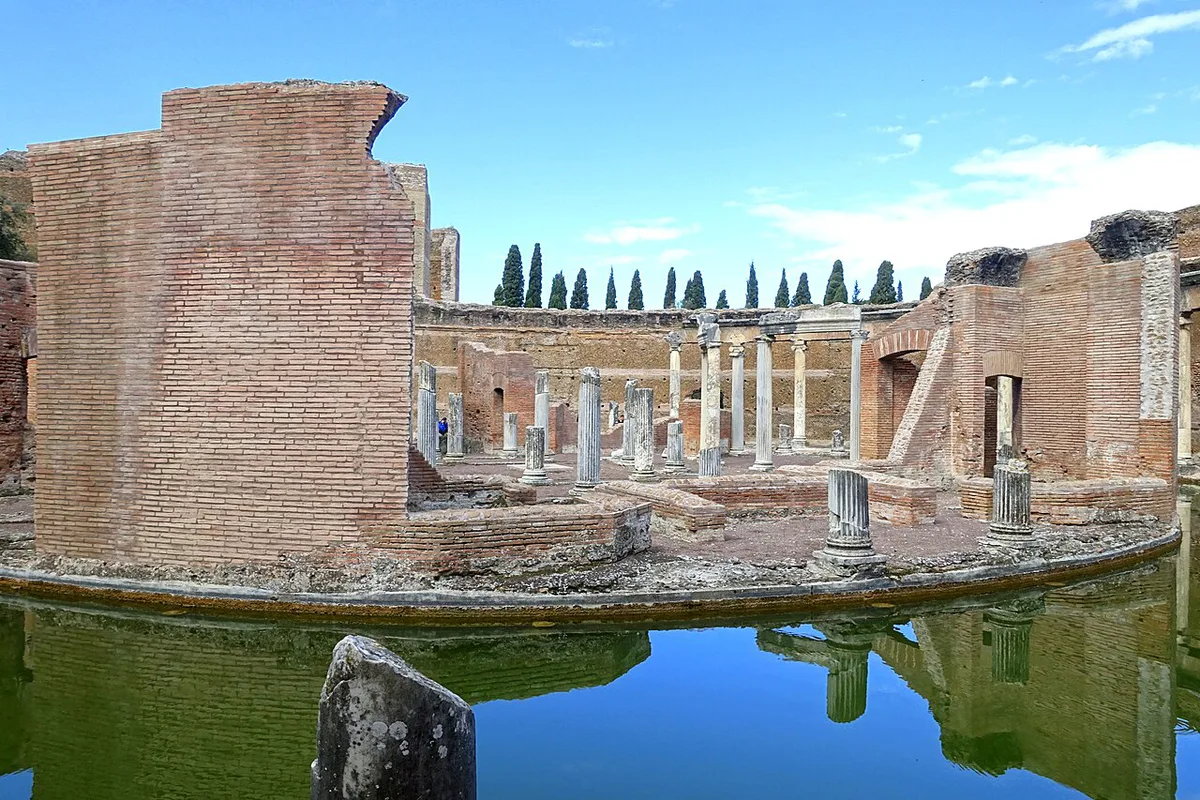
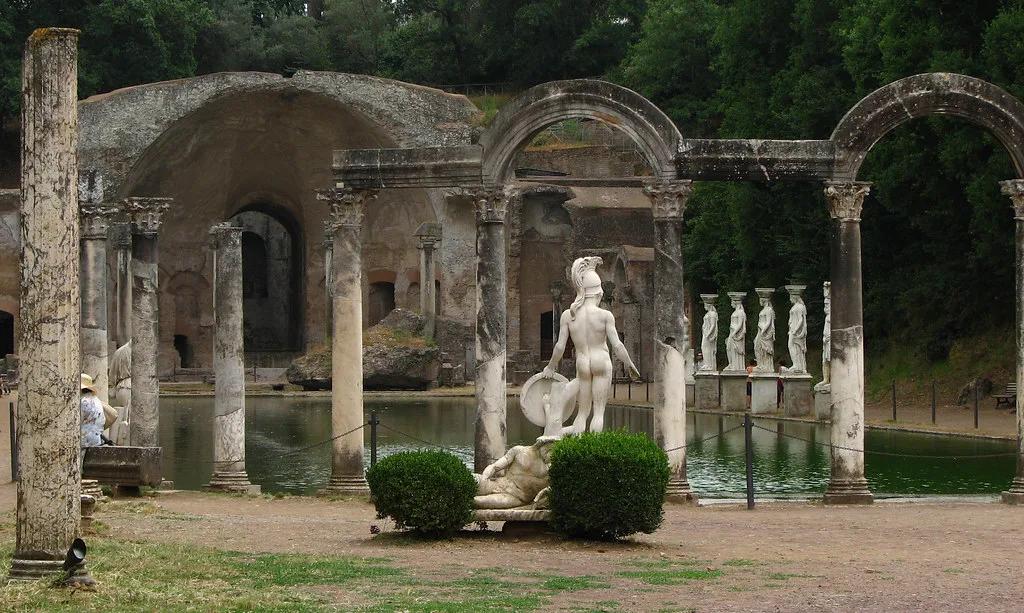
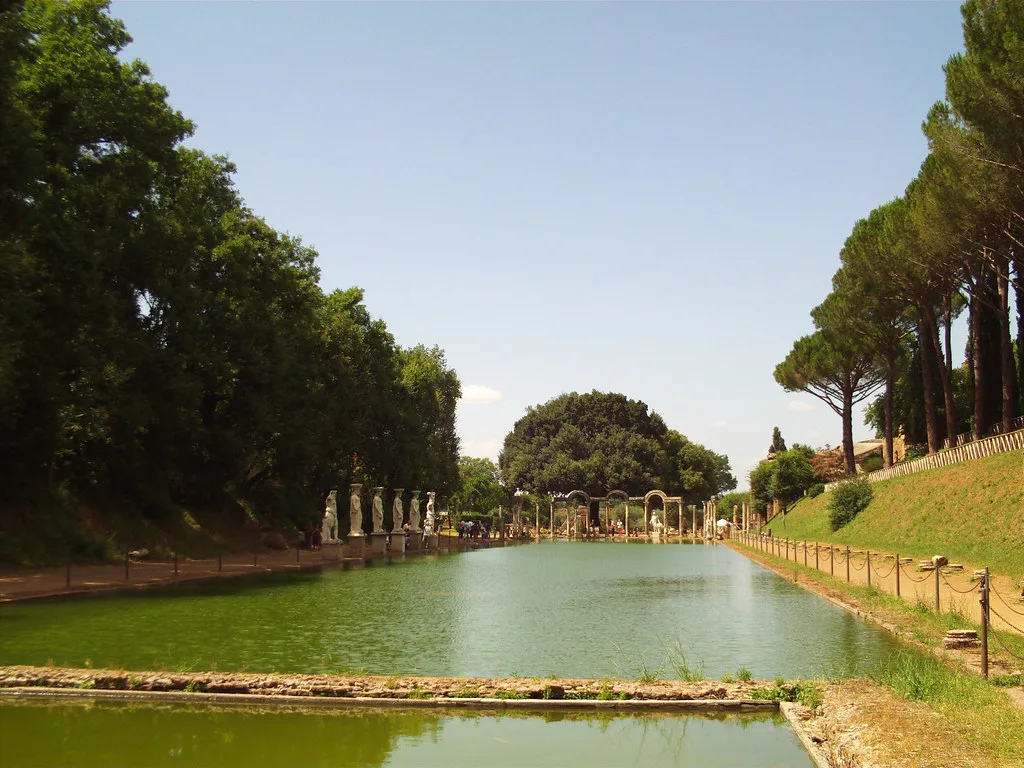
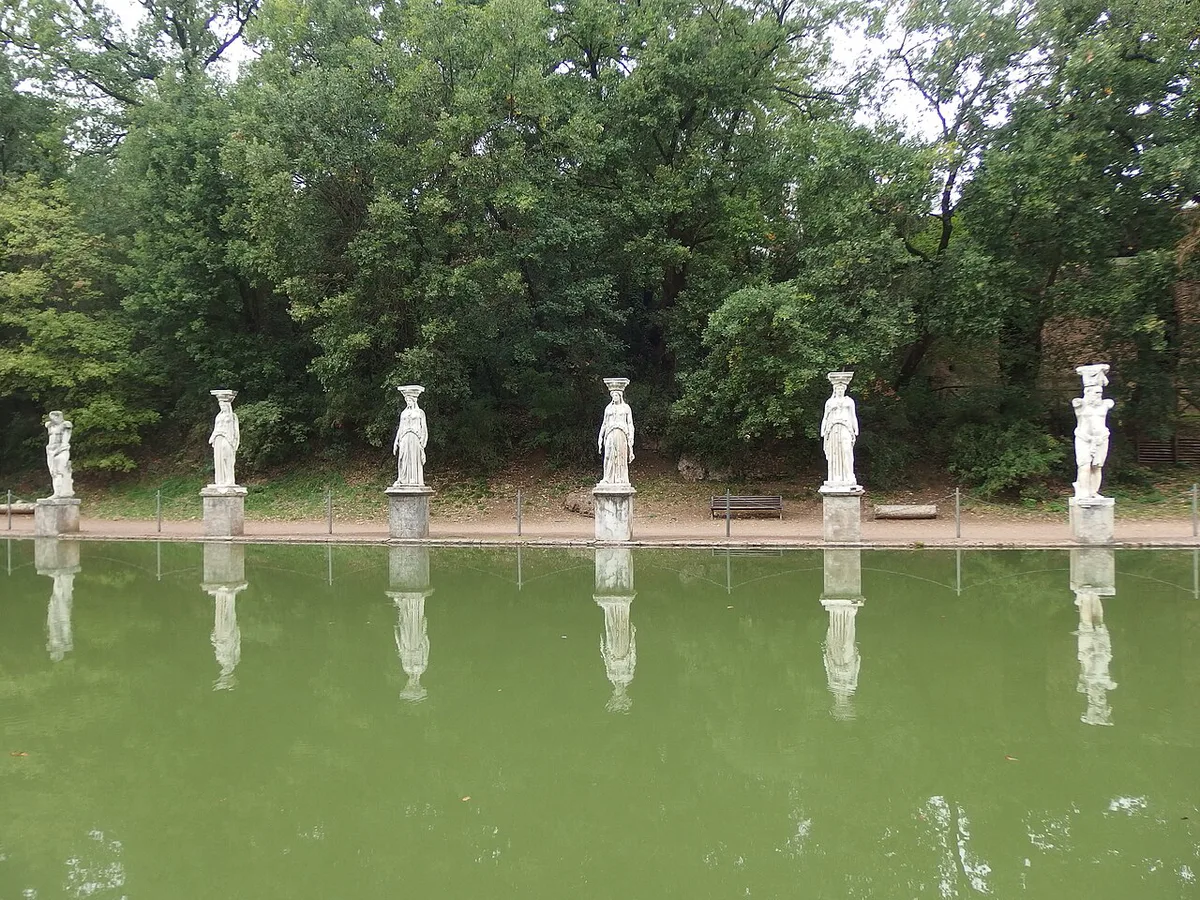
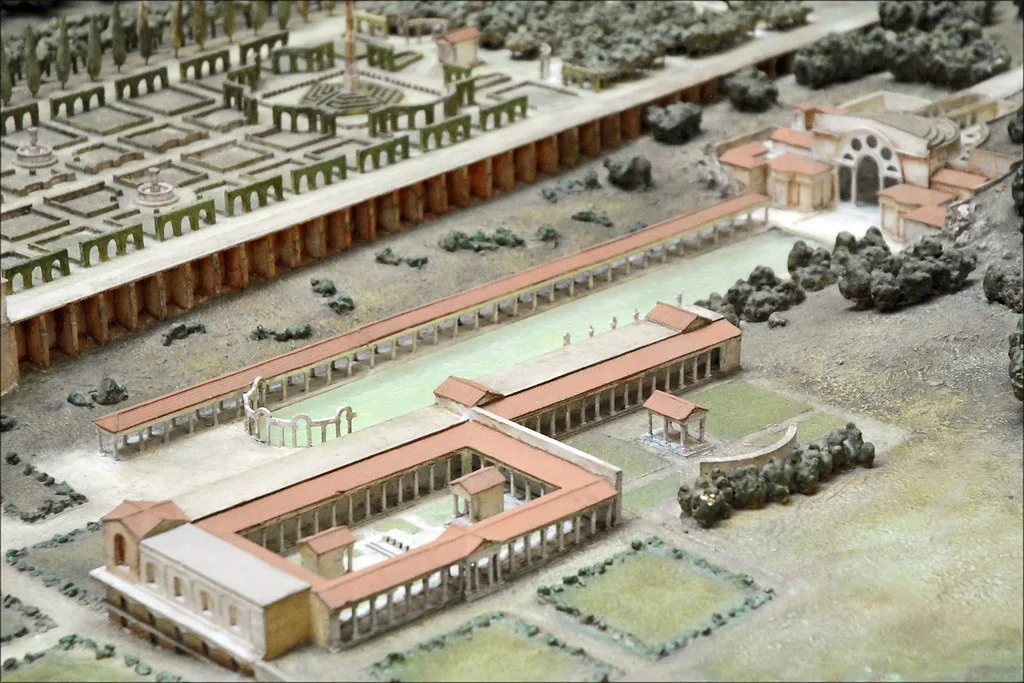
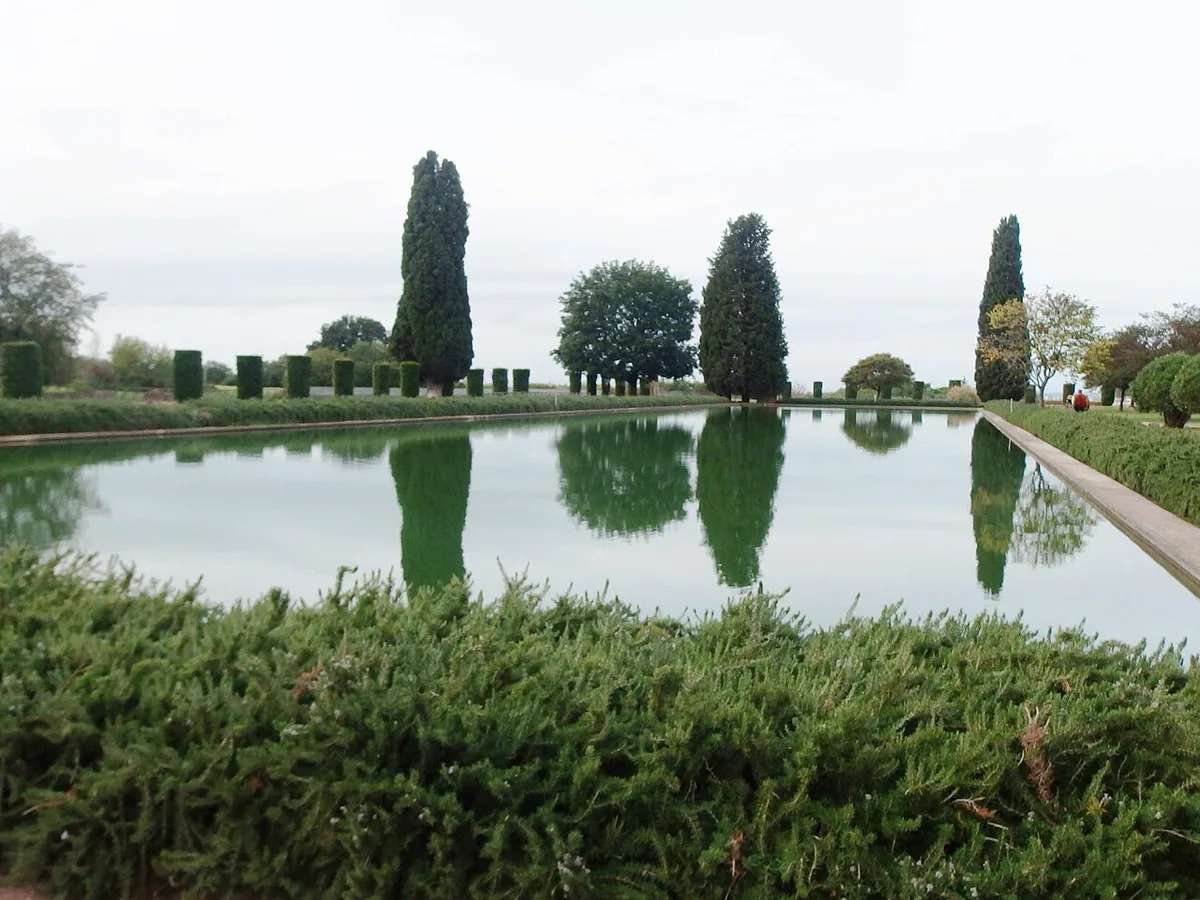
Hadrian's summer palace was built between AD 118 and 134 on a plateau south-west of Tivoli. Within that estate, the Canopus is a garden landscape built around a long water basin. Statues stand along its edges, and a curved exedra and a nymphaeum close one end.
The name is traditionally linked to the Egyptian town of Canopus and its canal. Some scholars read the far end as a dining hall dedicated to the god Serapis, called a Serapeum. That reading is an interpretation, not settled fact, so treat the Egyptian symbolism as a traditional explanation. For the emperor's wider tastes and travels, see our profile of Emperor Hadrian: Life, Legacy and Where to See His Italy.
What to look at, in order
Walk the pool from one end to the other rather than dipping in and out. Each stop gives a different view of the same axis.
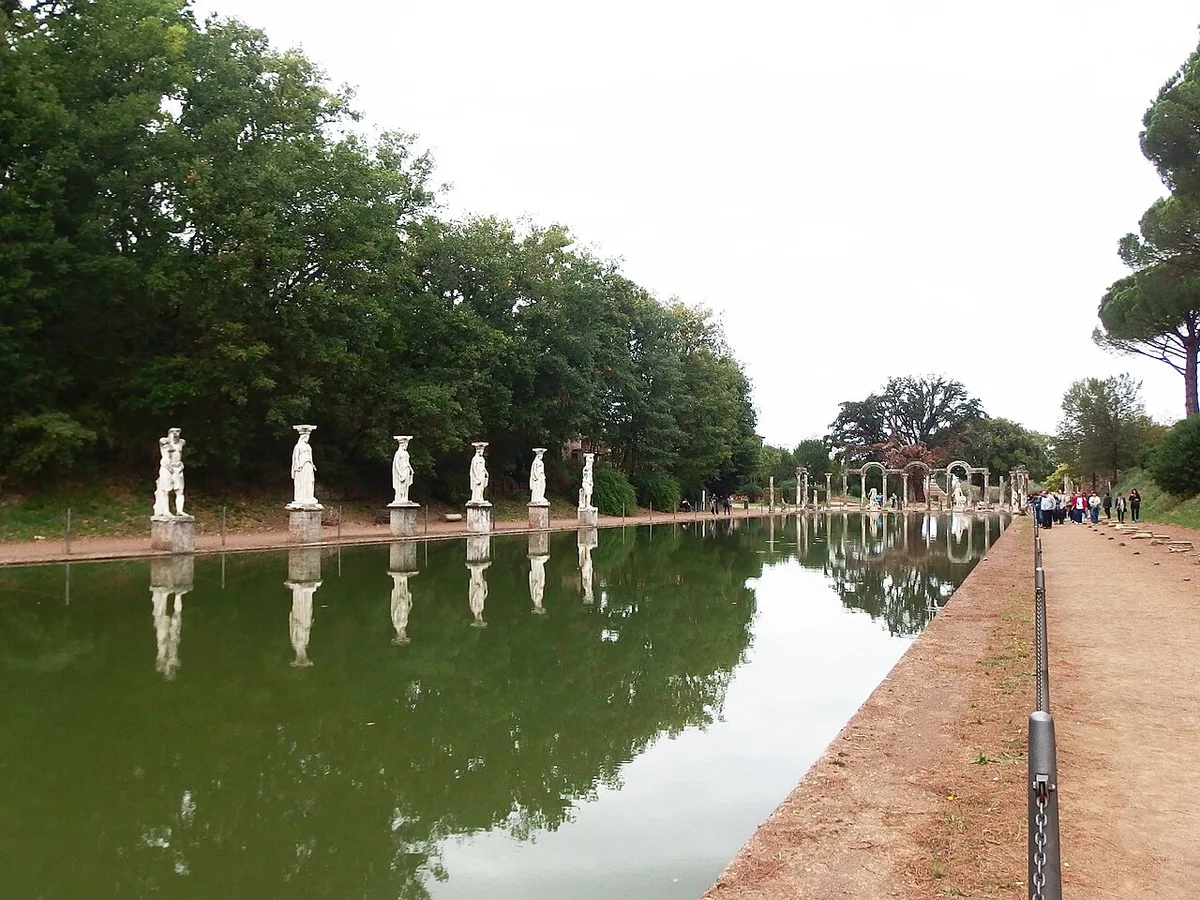
- The water basin itself: its length is the point, and it reads best from either short end.
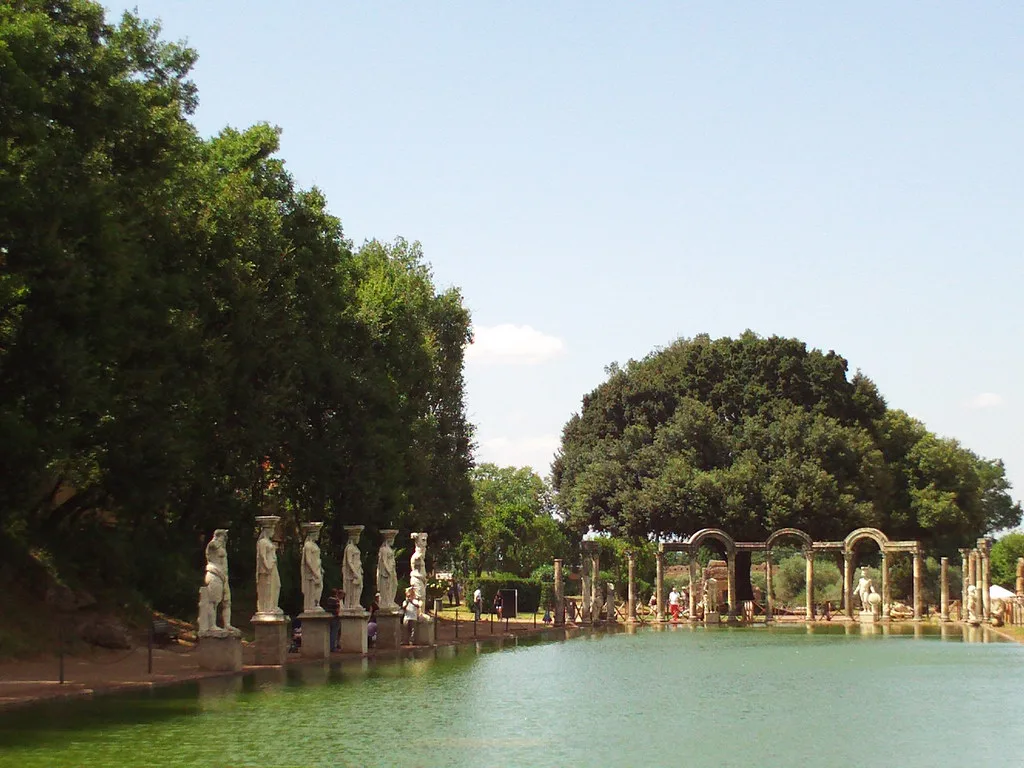
- The colonnade and the statues along its edges: look at the figures and the way they frame the water.
- The exedra: a curved, semicircular recess that gives the far end its shape.
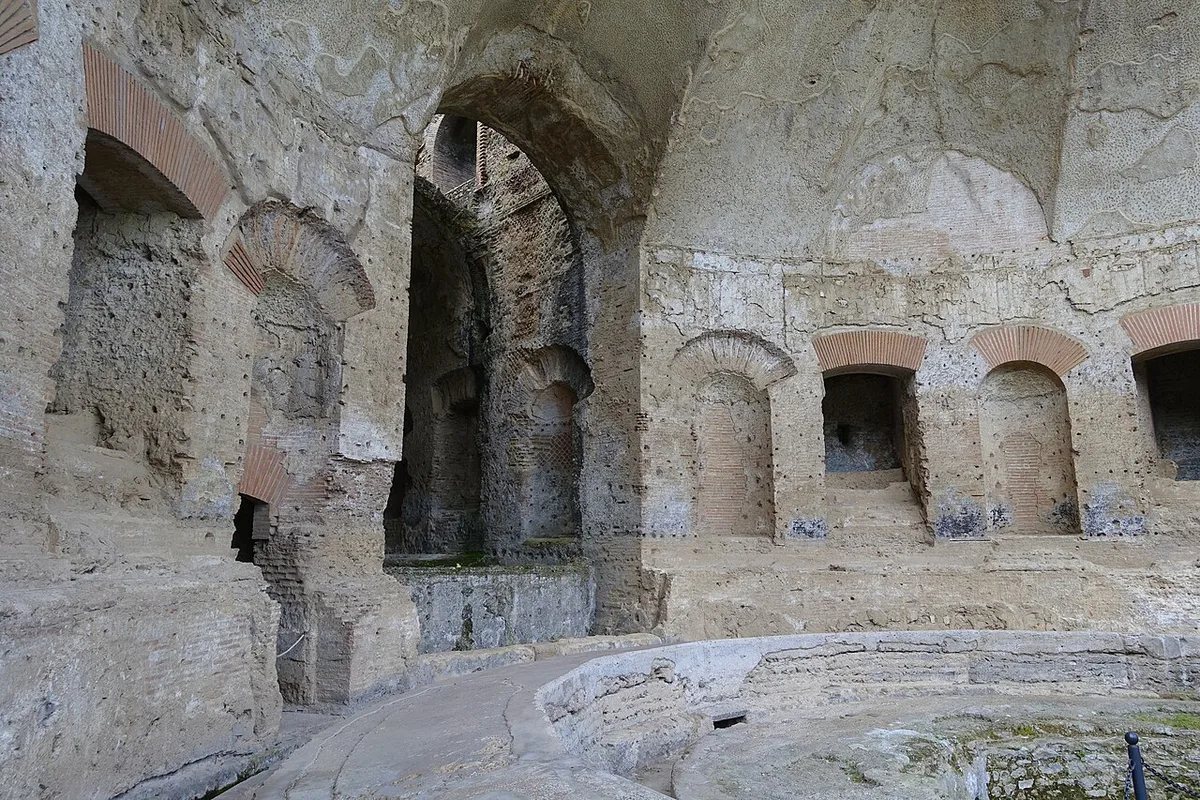
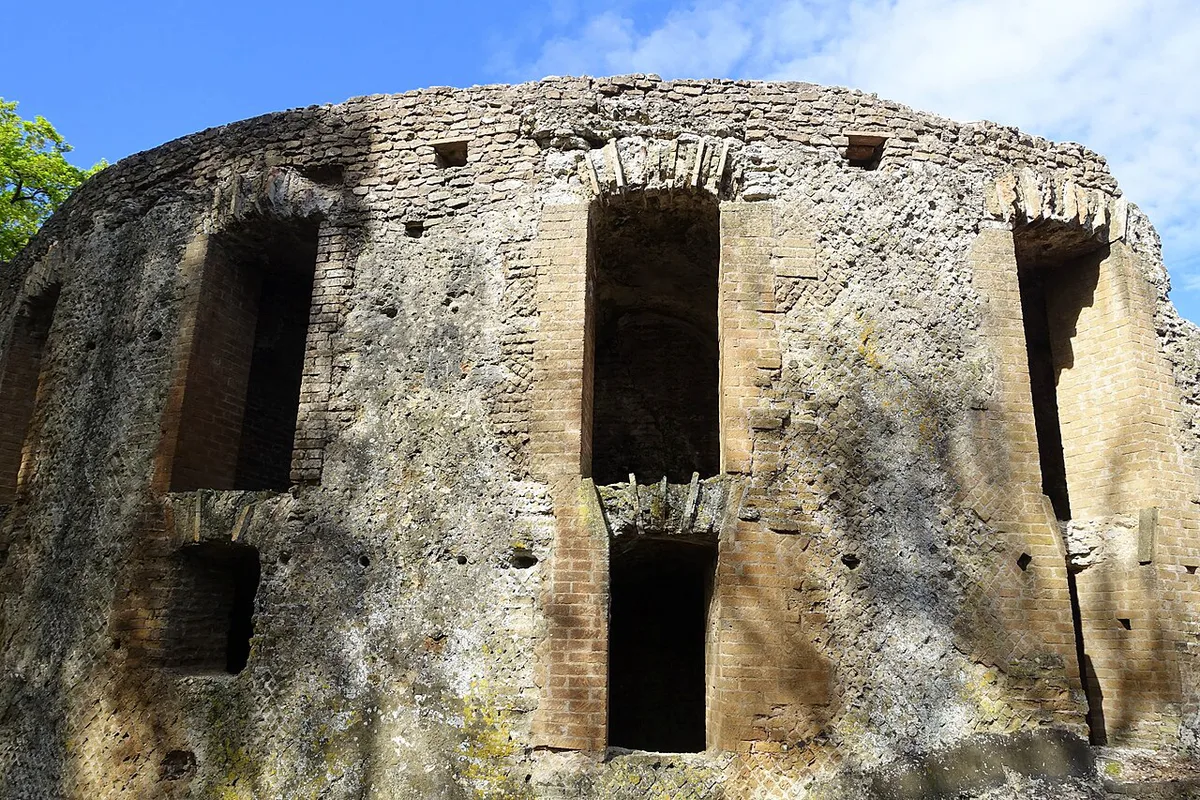
- The nymphaeum: the grotto-style structure at the end, which was a setting for shaded dining and water display.
- The reclining river god: a sculpture that photographers of the site often single out.
Where it sits and how to reach it
Canopus lies in the southern part of the complex, on the visitor route that also takes in the Piazza d'Oro and the Maritime Theatre. Those two areas are separate monuments, each with its own character. Use the map from the official Villa Adriana and Villa d'Este site to see the current marked route. Paths are uneven in places, so allow for gravel, slopes and few shaded stretches.
Getting to the villa from Rome is its own topic. Our guide to getting from Rome to the villa covers buses, trains and the last-mile transfer.
Light, timing and how long to stay
Open ground around the pool offers little cover, so go in the cooler hours of a summer day. Low light suits photography, because it picks out the statues and the colonnade against the water. Midday crowds and heat are a bigger factor than any single angle.
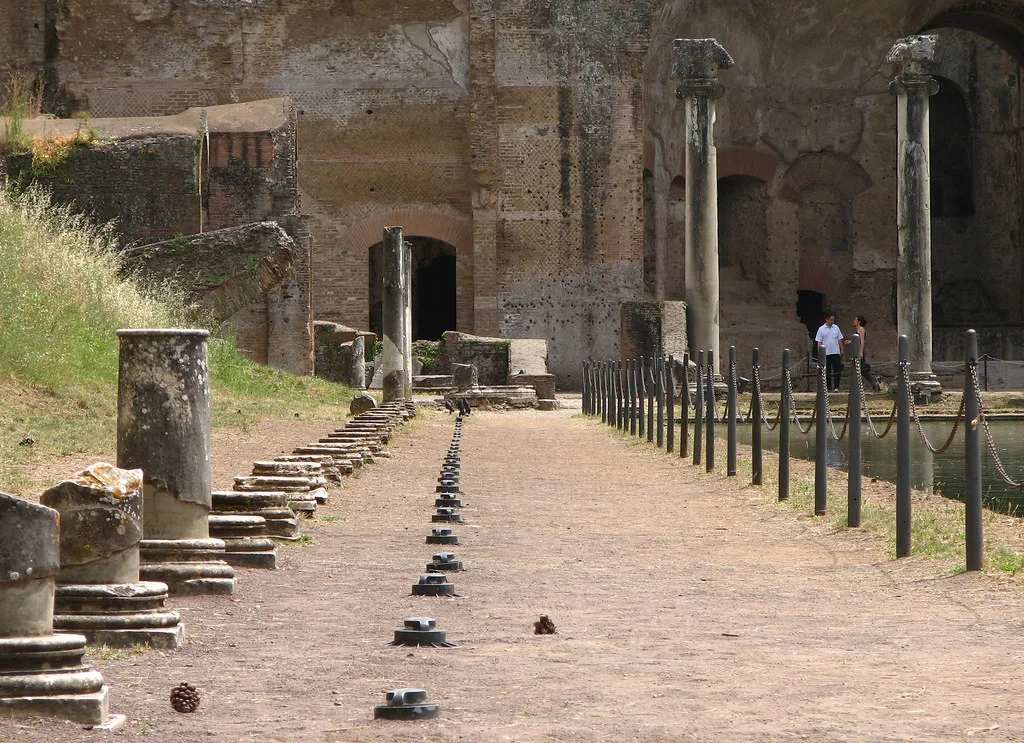
Plan time for a slow walk along the pool and a pause at the nymphaeum. If you have only a couple of hours, fold the Canopus into the route before the Maritime Theatre and the central ruins. Architecture fans and photographers can linger, and our piece on whether Hadrian's Villa is worth visiting helps with a short itinerary.
Access and what is allowed
Restoration work has affected parts of the complex over the years, so access to the water's edge and the nymphaeum can change. Read the signs on arrival and the notices on the Italian Ministry of Culture site before you go. Rules on tripods, drones and mobility access are set by the operator and are best read there. Many statues you see are copies, and some originals are held in museums, so ask staff or a guide which is which.
Mistakes to avoid at the Canopus
Most disappointment comes from expectations and preparation, not from the site.
- Expecting a full reconstruction: this is a partly ruined landscape, and you have to imagine the missing parts.
- Assuming every statue is original: several are copies.
- Wearing smooth-soled shoes: the paths are gravel and uneven.
- Skipping water and sun protection: shade is limited along the pool.
- Rushing in the last half hour: leave time to walk the full length.
Fitting the Canopus into your villa visit
The Canopus has no separate fee, because it sits inside main site admission. Prices, ticket types and booking are on our Hadrian's Villa tickets page. A guide adds the most here, because the Egyptian symbolism is hard to read without explanation. Our page on a guided Hadrian's Villa tour weighs guided against self-guided visits.
Built between AD 118 and 134, the Canopus rewards a guide, since its Egyptian symbolism is hard to read alone.
Pair it with Tivoli
Central Tivoli offers two natural follow-ups. Villa Gregoriana Tivoli: Visitor Guide and Walk Difficulty is a gorge-side park with waterfalls. The Temple of Vesta is a round ancient temple above the gorge. Moving between the villa and the town takes time, so decide in advance how much of the day you want in each. The Visit Tivoli tourism site lists current opening details.
Related guides

Continue reading
Guides on the same trip