Last updated November 2026. Autun Roman remains belong to Augustodunum, founded around the turn of the era as the new chief town of the Aedui. Its gates, theatre area and temple remains can still be seen on foot. This guide separates what stands from what is only presumed, and places the town within our 14 Roman Ruins in France: Best Sites and How to Plan Your Visit cluster.
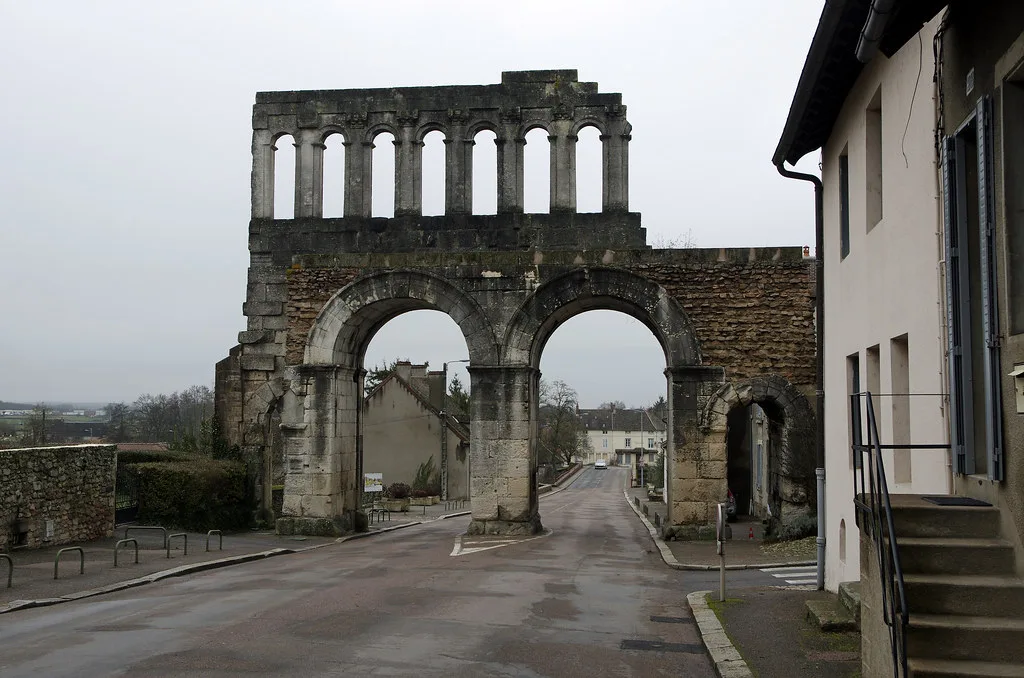
Featured image: Benjamin Smith, CC BY-SA 4.0, via Wikimedia Commons.
Roman Autun in brief: why Augustodunum was founded
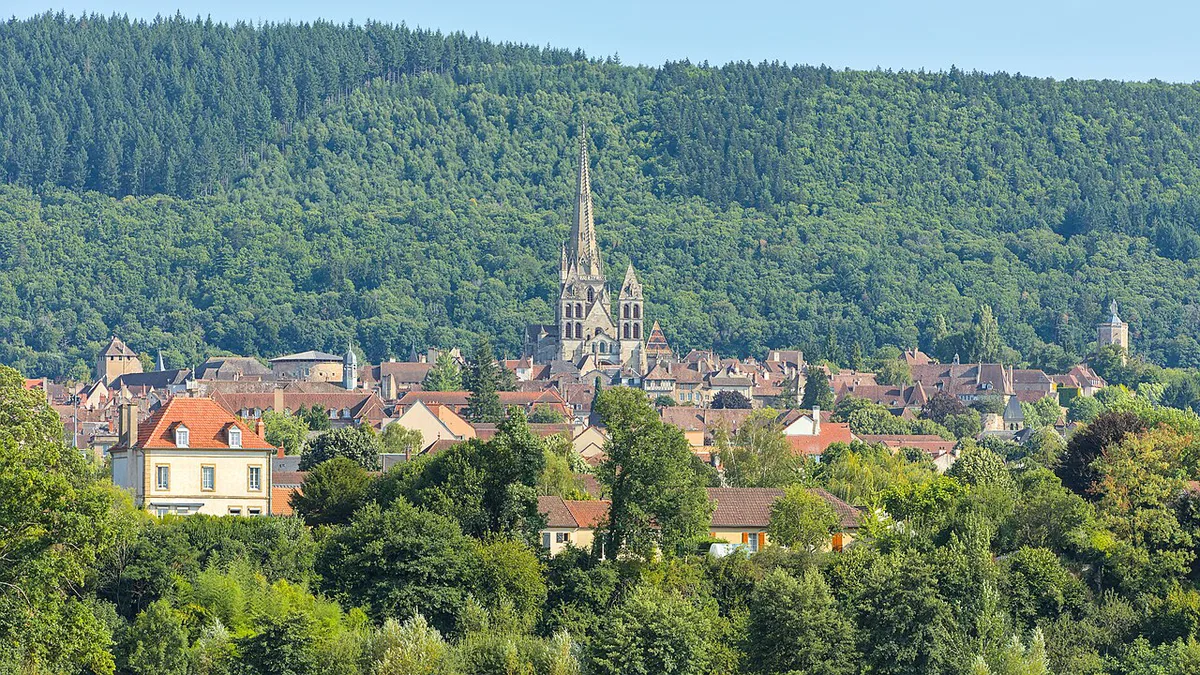
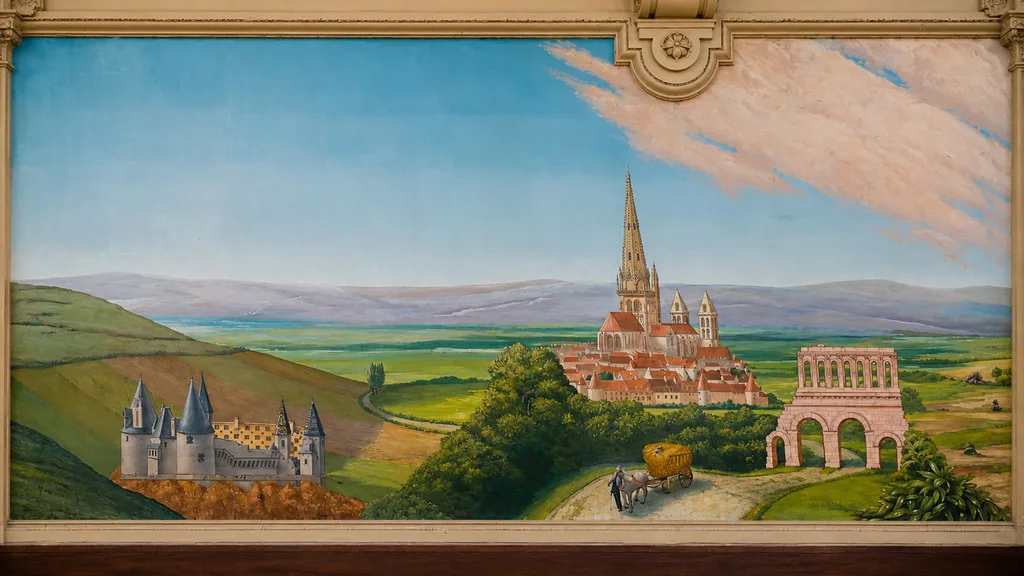
Augustodunum, 'the city of Augustus', replaced the Aedui capital at Bibracte. The move happened in stages between the last decade BC and the start of Tiberius's reign. No inscription confirms a founding date, so 'around the turn of the era' is the honest wording. From the start the city had a circuit wall (enceinte) enclosing nearly 200 hectares, with four monumental gates. Its street grid held 15 decumani (east–west streets) and 10 cardines (north–south streets). Together they formed about 150 blocks, all occupied by the 3rd century. The municipal archaeology service publishes the main dossiers on this, in French.
What you can still see in Roman Autun
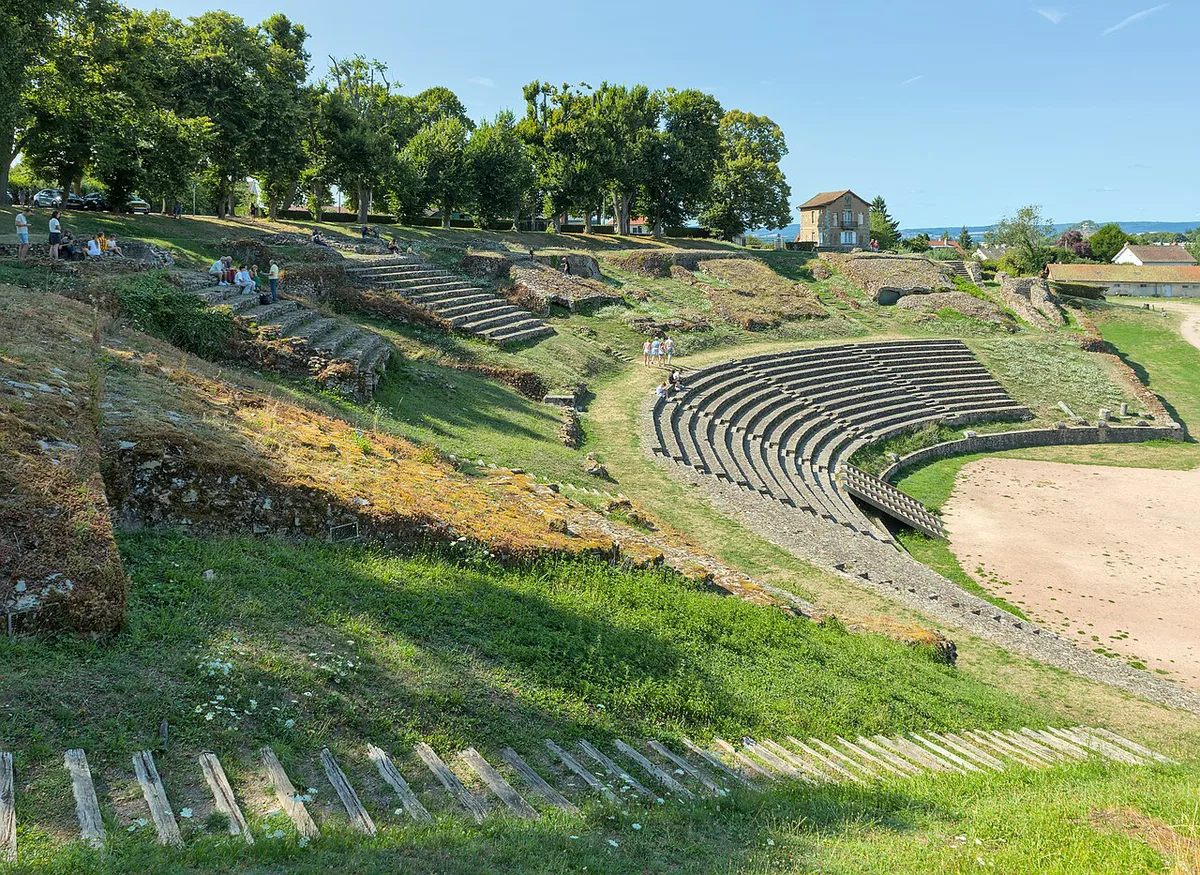
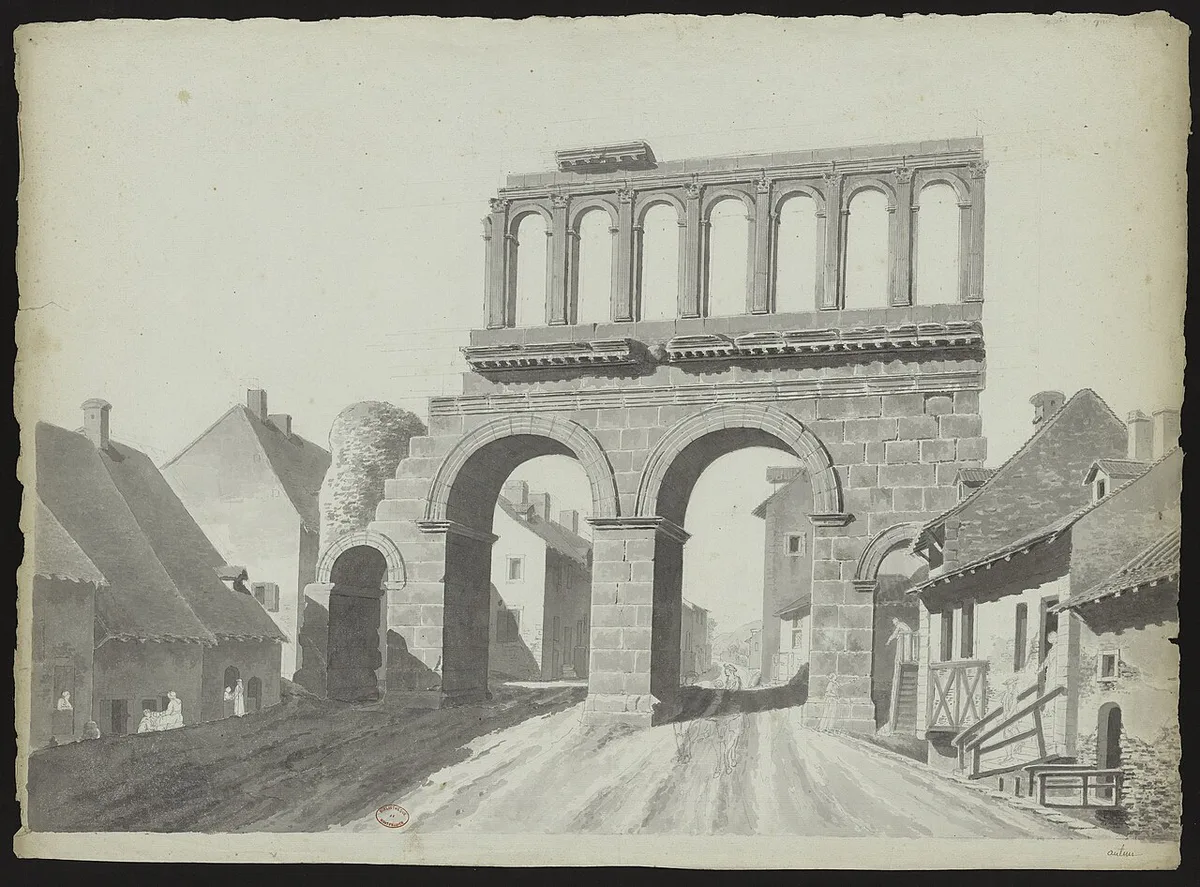
Not everything in the archaeological record can be visited. Recent research dates the wall and its gates, notably the Porte d'Arroux, about 20 years later than once thought, in the late Augustan to Augusto-Tiberian period. Elite houses held 32 mosaic pavements dated about AD 150–230, but those are finds, not places to walk through. Treat the forum, the Temple of Apollo, the baths and the schola ('Écoles Méniennes') as presumed or reconstructed. A forum of 240 m by 160 m is a hypothesis built on old, patchy observations.
| Monument | Where in the city | Status | Visitor note |
|---|---|---|---|
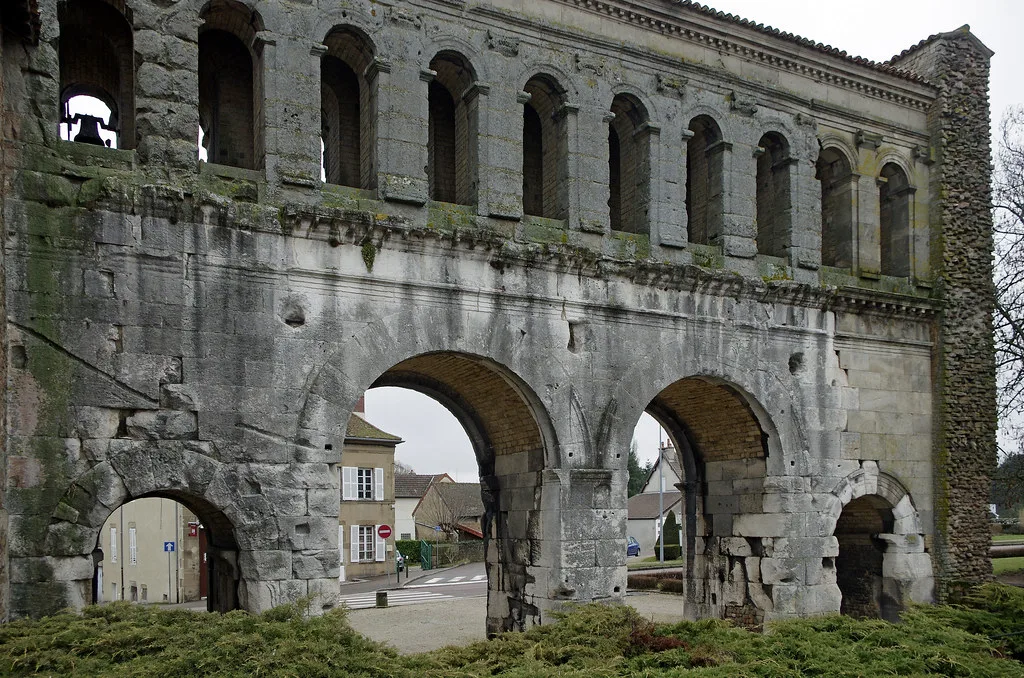
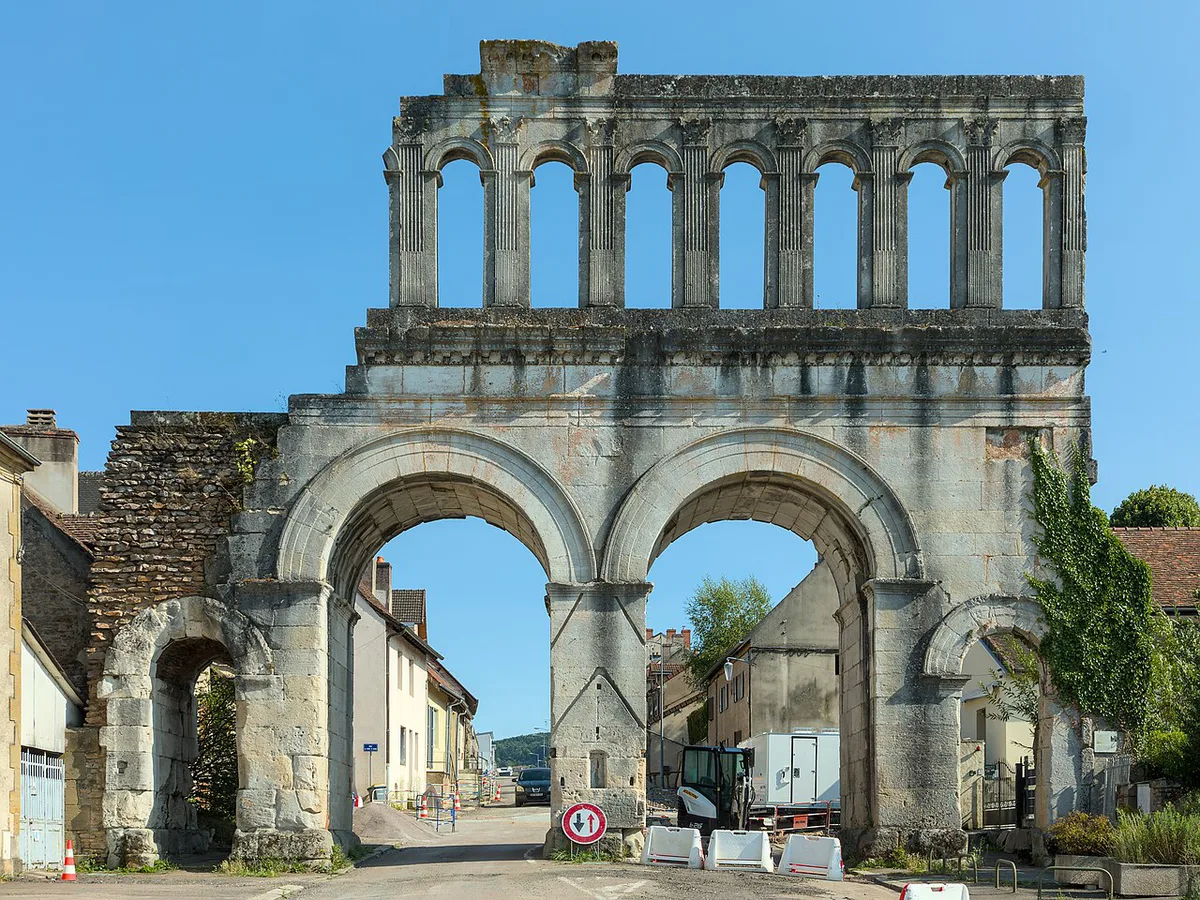
| Porte d'Arroux | Circuit wall, seen from outside the city | Standing | Open-air view |
| Porte Saint-André | Circuit wall, countryside side | Standing | Open-air view |
| Wall with towers and curtain walls | Boulevard Mac-Mahon | Partial, original Augustan circuit | Open-air view |
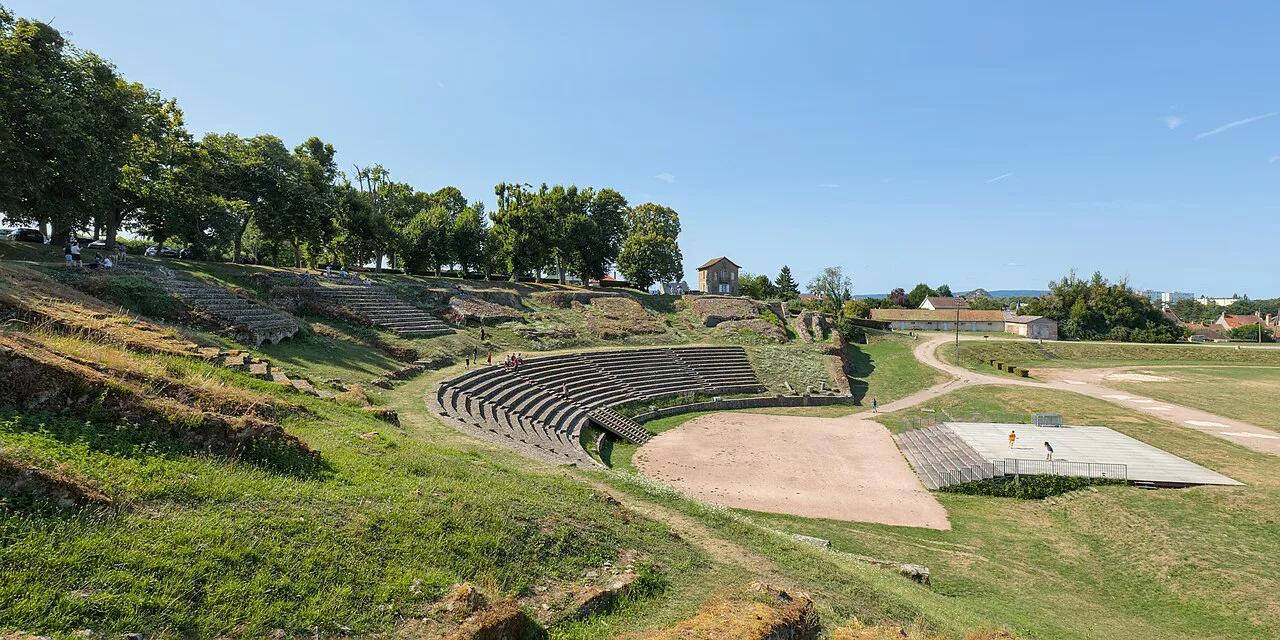
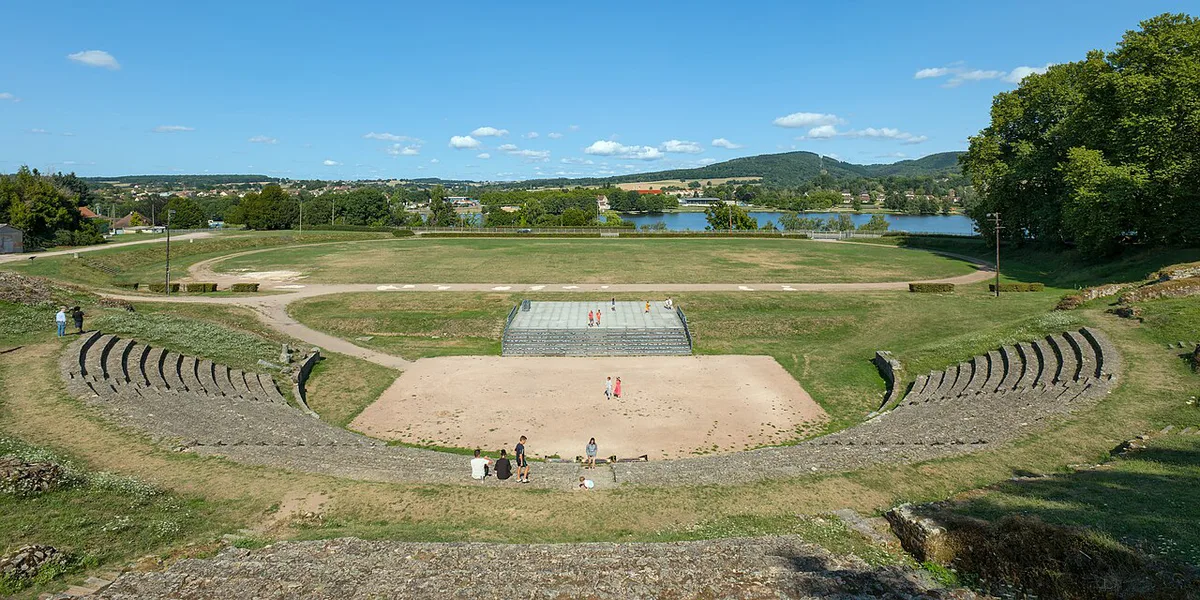
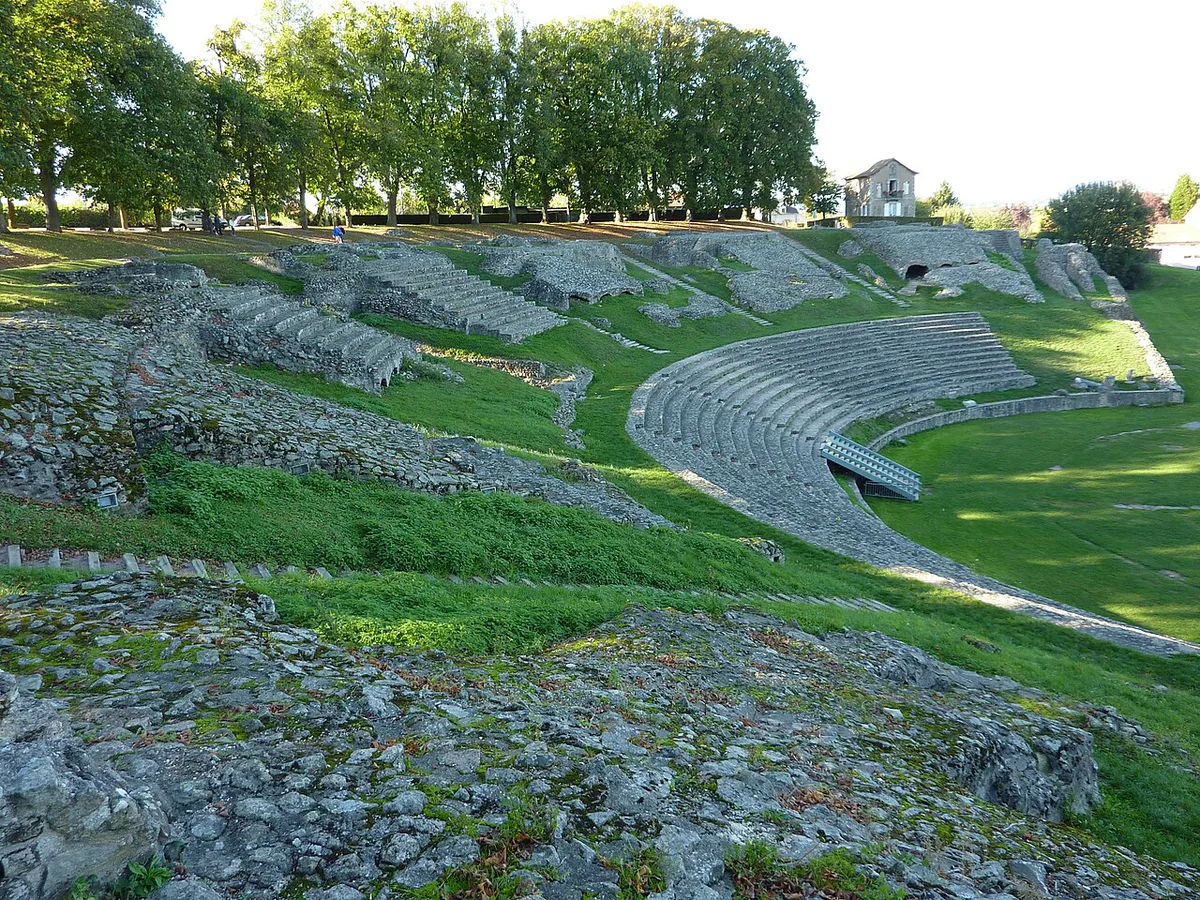
| Roman theatre | South-east corner of the circuit | Visible remains | Check access and season |
| Amphitheatre | South-east corner, near the theatre | Known mainly from research | Check what is visible |
| Monument de la place de Charmasse | Block XIII-8 | Remains preserved; possible nymphaeum or exedra | Check access |
| Temple of Janus (Genetoye) | Outside the walls, Arroux–Ternin confluence | Remains of a square-cella temple | Check access |
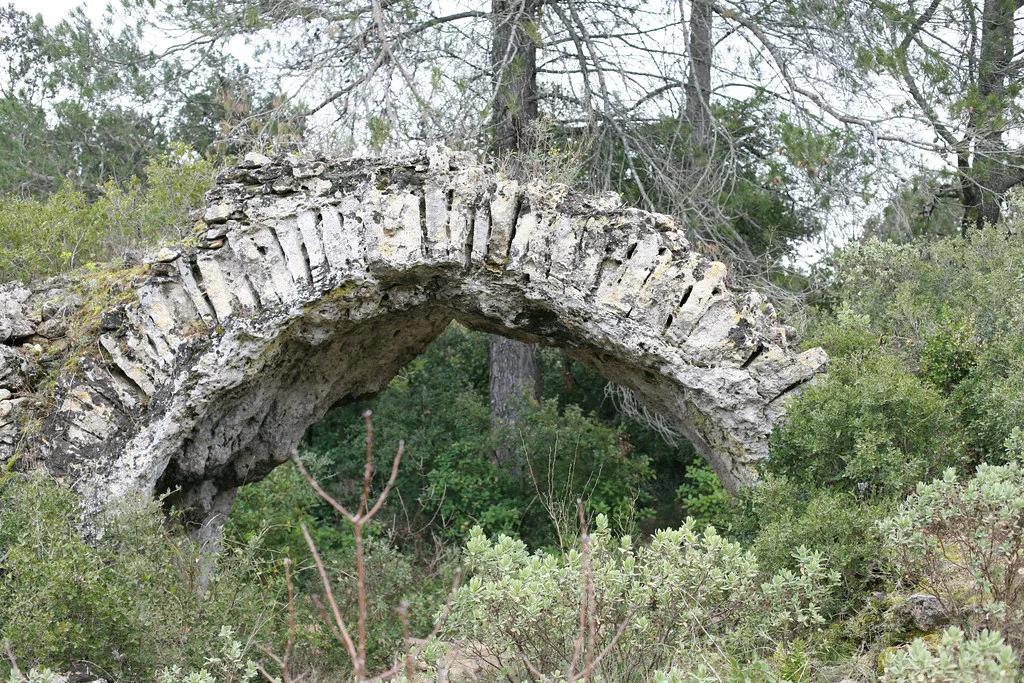
| Pierre de Couhard | Outside the city, beside the Océan road | Pyramidal mausoleum core preserved | Check access |
| Forum, Temple of Apollo, baths, schola | Central blocks along the cardo maximus | Presumed or excavated only | Not visitable |
A walking route around the Roman circuit
A half-day on foot works best if you follow the wall rather than chase single monuments. Start at the Porte d'Arroux and look at it from outside the city, the angle the archaeologists photograph. Continue to the stretch of wall on boulevard Mac-Mahon, where towers alternate with curtain walls. Then find the Porte Saint-André, best seen from the countryside side. Finish at the theatre in the south-east corner of the circuit. The Roman amphitheatre stood close by. Pick up a town map at the tourist office before you start, since this route follows the dossiers rather than signed paths.
- Porte d'Arroux: the northern gate, best viewed from outside the wall.
- Boulevard Mac-Mahon: original Augustan wall with alternating towers and curtain walls.
- Porte Saint-André: view it from the countryside side.
- Theatre area: south-east corner, near a probable secondary gate.
Outside the walls: the Genetoye sanctuary and Temple of Janus
Beyond the circuit, at the Arroux–Ternin confluence, lies the Genetoye. Excavations ran from 2013 to 2023 and revealed what was probably the civic sanctuary of the Aedui. It held several temples, a theatre, baths and a large craft quarter. The best-known building is the 'Temple of Janus', whose cella (the inner chamber) has a square plan. Use of the complex ended around the middle of the 3rd century. The name 'Janus' is a traditional label rather than proof of the dedication. Check with the tourist office whether the temple can be approached on the day.
Excavations at the Genetoye ran from 2013 to 2023, yet use of the complex had already ended around the middle of the 3rd century.
Is Roman Autun worth a visit?
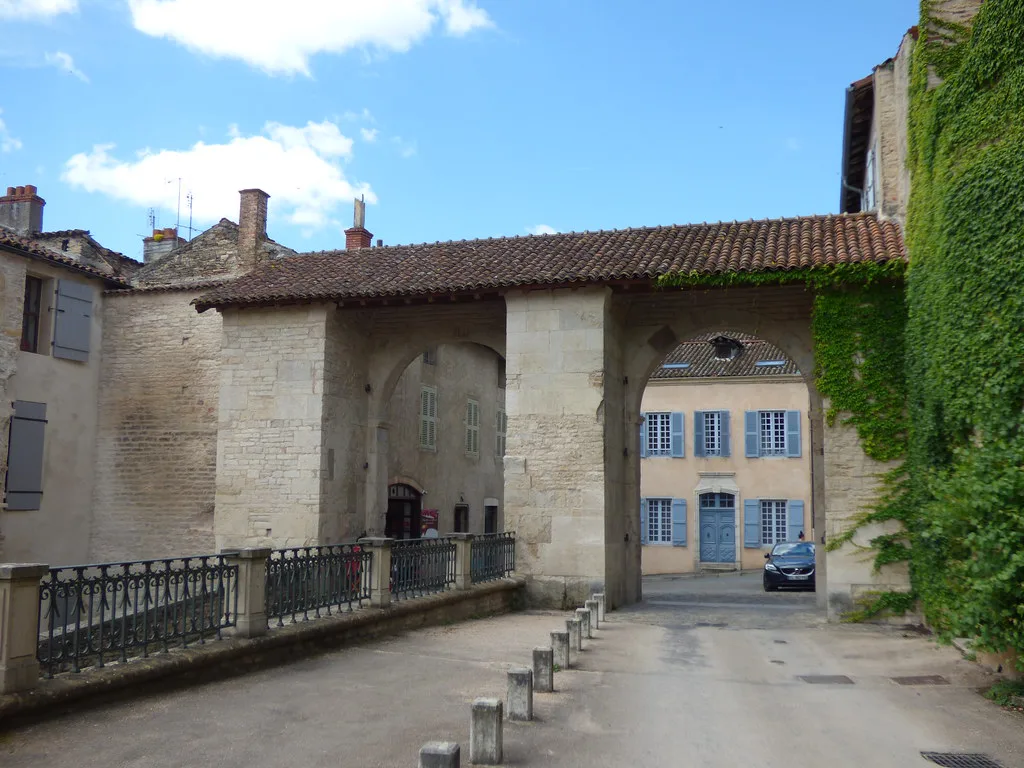
Go if you read Roman history, drive a Burgundy route, or plan to see Bibracte too. Skip it if you expect an intact monument on the scale of Arles's Roman monuments. Visitors who want a standing stage should look at the Théâtre antique d'Orange instead. Autun rewards patience: the gates are real, but the city around them is mostly underground.
Gate dates matter for a history-focused visit: research puts the wall about 20 years later than once thought.
- Go: readers who like urban archaeology and want to see how a Roman capital was laid out.
- Go: anyone building a Burgundy road trip around Roman and Gallic sites.
- Skip: travelers who want a complete amphitheatre or arch, as in Provence.
- Mistake to avoid: looking for a visitable forum. It is presumed from excavations, not displayed.
- Mistake to avoid: trusting the 'Janus' label as a settled dedication.
Tickets, hours and getting there
Opening hours, ticket rules, parking and train options for Autun's sites are not published in the archaeology dossiers. Confirm them with the Autun tourist office and city site, and browse Burgundy tourism for regional stays if you plan to stay overnight.
Pair it with Bibracte and other Roman sites in France
Autun makes most sense next to Bibracte, the Aedui hill town it replaced. They are separate visits, so plan them as two stops. For the story of Gallic resistance, continue to Alesia. Lugdunum, today's Lyon, was the start of the Agrippan road network, so the Lyon Roman Theatre (Fourvière): Visit Guide & Tips are a natural next stop. Autun's own road, the Océan route, ran from Lyon to Boulogne-sur-Mer. For a wider choice, browse the 14 Roman Ruins in France: Best Sites and How to Plan Your Visit hub.
Frequently Asked Questions
What is Autun?
Autun is a town in Saône-et-Loire, Burgundy, built on the site of Roman Augustodunum. Its Roman gates, theatre remains and nearby temple remains are the main reasons to visit.
Where was Autun?
Roman Autun stood on the alluvial plain in Aedui territory, in today's Saône-et-Loire. Its sanctuary, the Genetoye, lay outside the walls at the confluence of the Arroux and Ternin rivers.
Related guides
Continue reading
Guides on the same trip