Last updated November 2026: alesia is the site in Burgundy tied to Caesar's siege of Vercingetorix in 52 BC. Today it is presented through MuséoParc Alésia and the excavated Gallo-Roman town at Alise-Sainte-Reine. Expect a battlefield and interpretive visit, not a standing Roman city. It also fits into a wider route through more Roman sites in France.
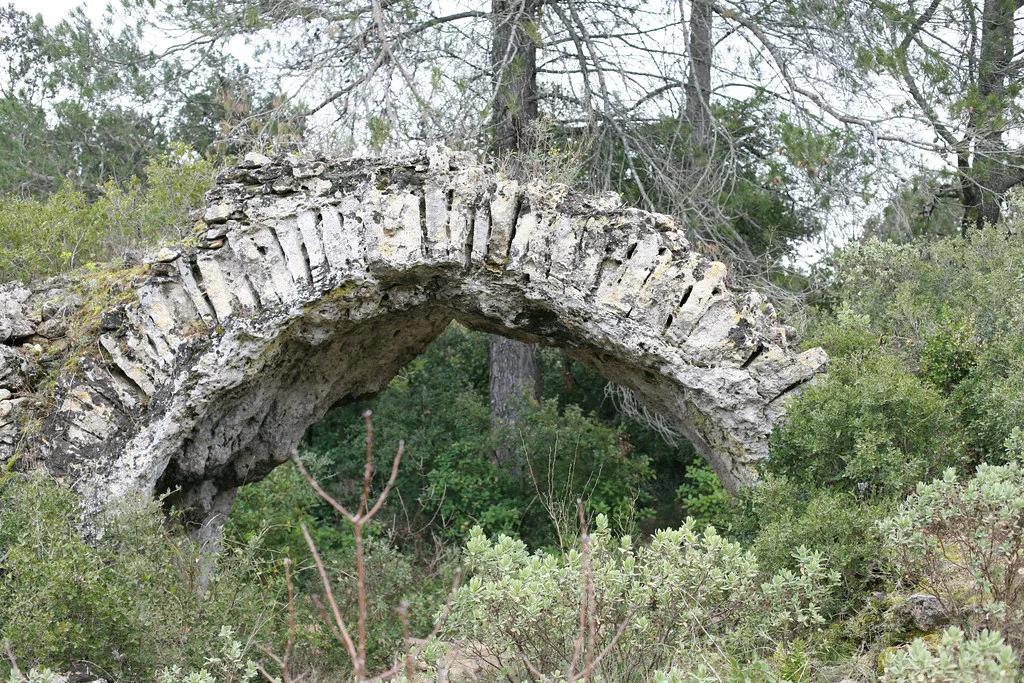
Featured image: Following Hadrian, CC BY-SA 2.0, via Flickr.
What Was Alesia? The 52 BC Siege in Brief
In 52 BC, Julius Caesar besieged the Gallic leader Vercingetorix at Alesia. Caesar's army built one ring of siege works facing the town. A second ring faced outward to hold off a Gallic relief army. Vercingetorix surrendered after the relief attempt failed. Caesar's own Gallic War, Book 7, is the main ancient account. To see the Gaulish side of the story, Bibracte adds an oppidum, a fortified Gaulish settlement, to the military picture.
- Who: Julius Caesar for Rome, Vercingetorix for the Gauls.
- When: 52 BC, during the Gallic Wars.
- Layout for a figure: an inner ring facing the town, an outer ring facing the relief army. Suggested alt text: plan of two concentric siege rings around a hilltop town.
Background to the Siege: Rome, the Gauls and Vercingetorix
Alesia was the climax of a war that had run for years. Caesar began his campaigns in Gaul in 58 BC. By the winter of 53-52 BC, resentment of Roman demands and garrisons had pushed many Gallic peoples toward revolt.
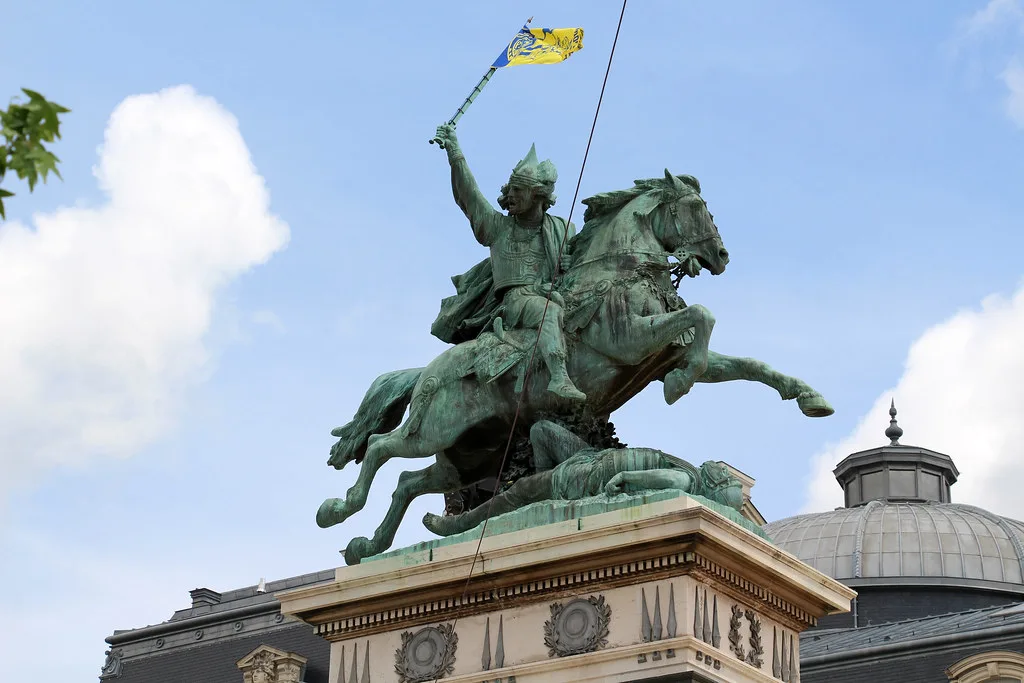
The rising of 52 BC was led by Vercingetorix, a young noble of the Arverni. Caesar's Gallic War, Book 7, presents him as an unusually effective war leader. He persuaded rival peoples to act together and used scorched-earth tactics to deny the Romans supplies. At Gergovia the Gauls repelled a Roman assault, which was a rare setback for Caesar.
After that, Vercingetorix withdrew with his army to Alesia, the hilltop oppidum of the Mandubii. The position was strong, and he expected relief armies from other Gallic peoples to break any blockade. Caesar chose to besiege rather than storm it.
- Why it matters: the defeat ended organised Gallic resistance on a large scale.
- Main source: Caesar wrote the only detailed ancient account. He was a party to the conflict, so read it with that in mind.
- Archaeology: excavations on the plateau and around it back up the existence of Roman siege works, although scholars still debate details.
Where Is Alesia Today?
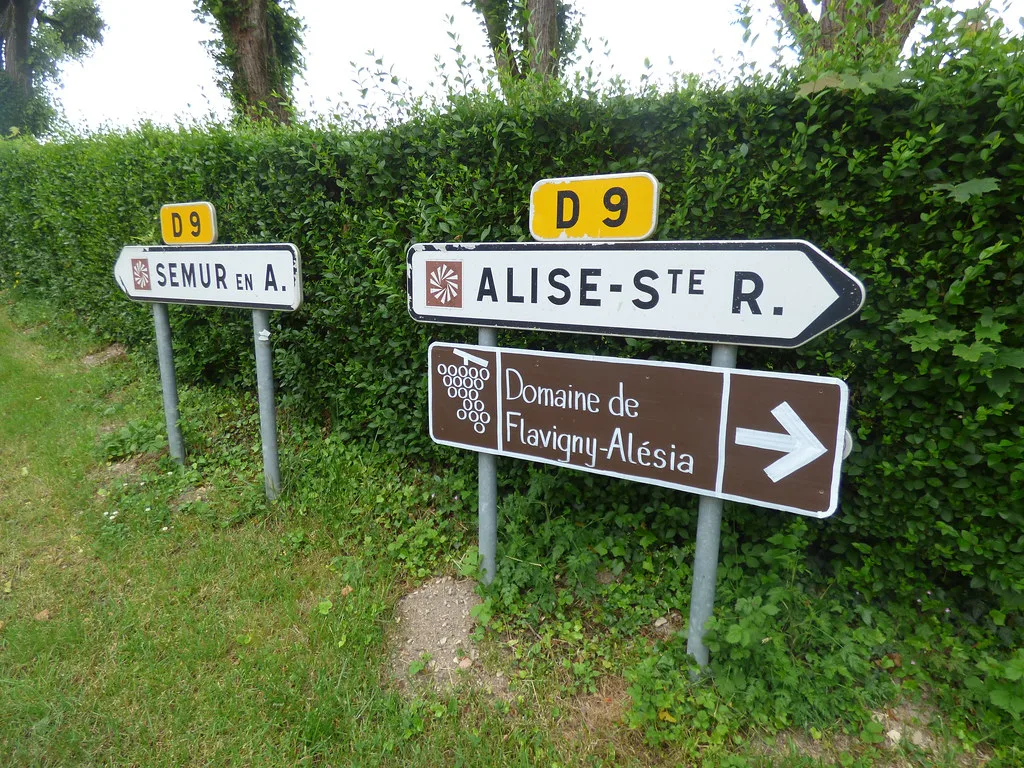
The Burgundy site lies at Alise-Sainte-Reine in the Côte-d'Or. It is the location presented by MuséoParc Alésia and the excavated Gallo-Roman town. Other locations have been proposed over the years, so treat any certainty with attribution. The official site sets out the case for Alise-Sainte-Reine. For the region as a whole, start with Burgundy tourism.
Aftermath and Legacy of Alesia in Modern Culture
After the surrender, Vercingetorix was held prisoner for years. He was displayed in Caesar's triumph in 46 BC and then executed. Gaul came under Roman control and gradually took on Roman language, law and urban life, which is why Gallo-Roman towns such as the one at Alise-Sainte-Reine matter for the later story.
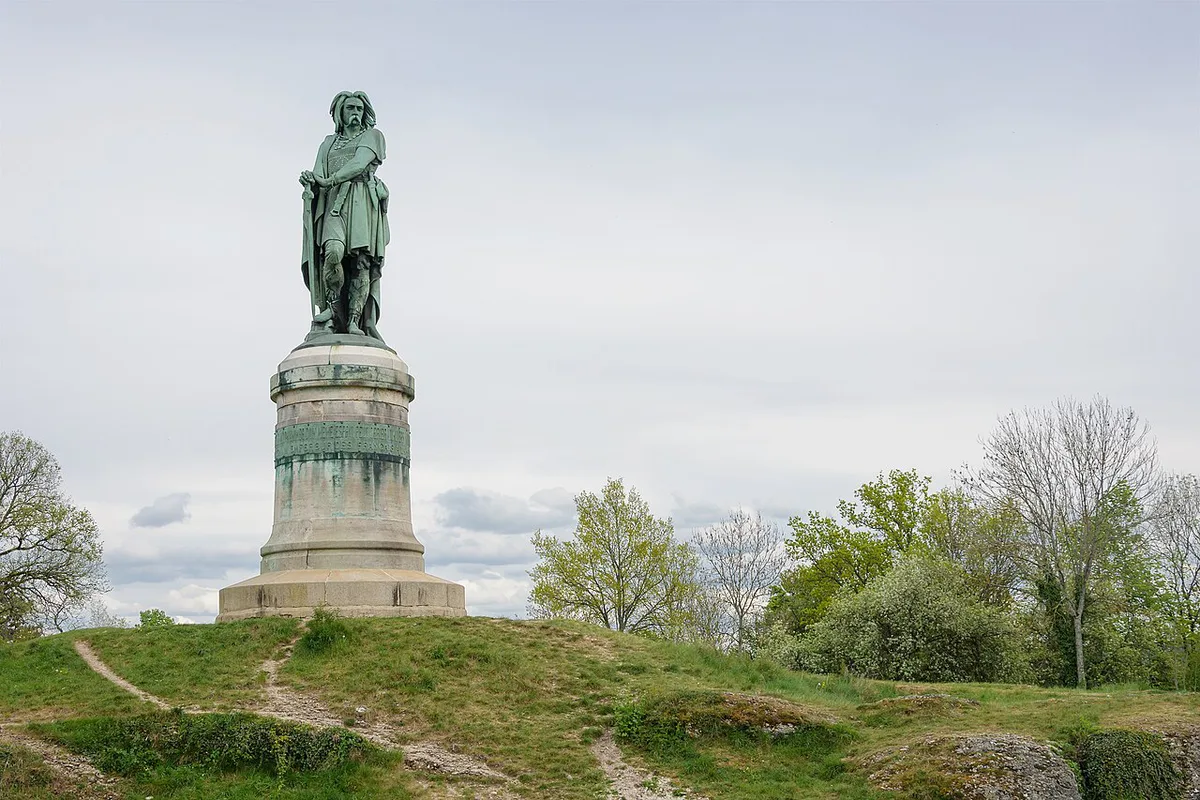
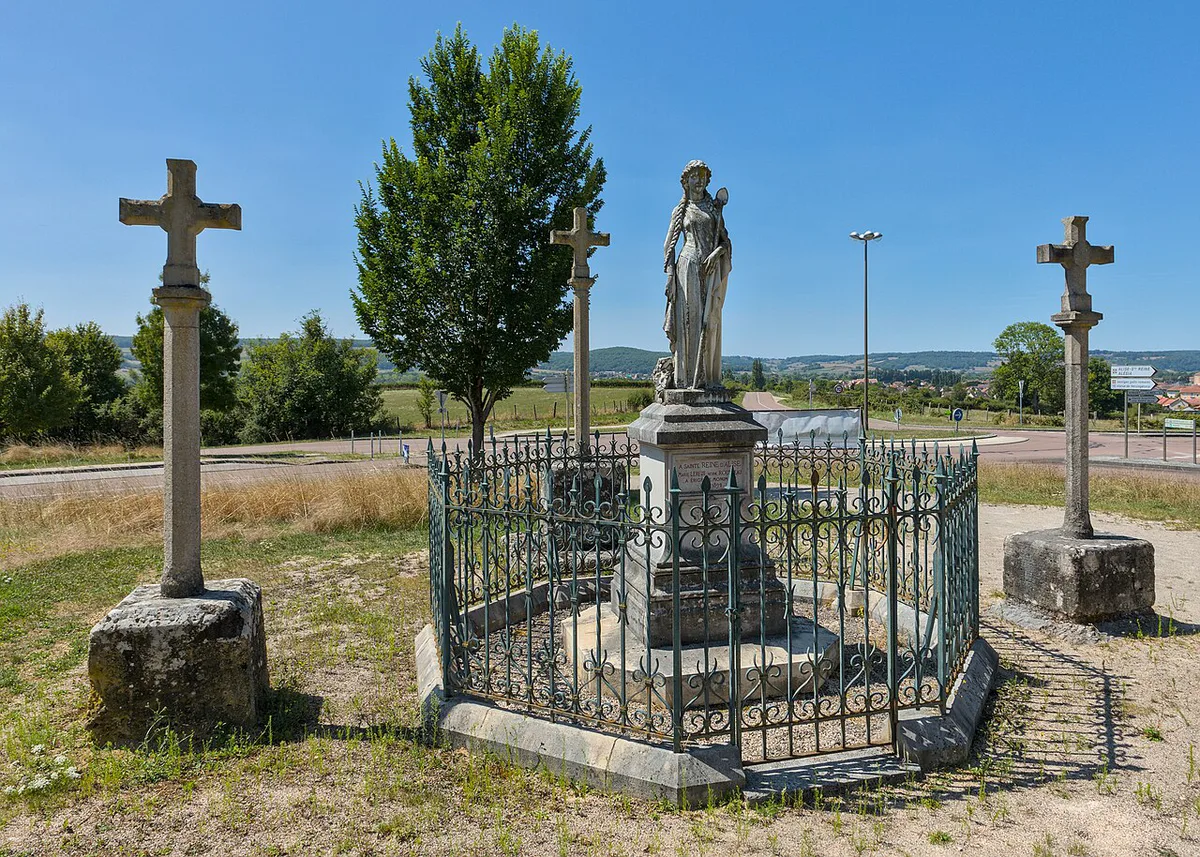
Alesia returned to public attention in the 19th century. Napoleon III sponsored excavations that helped fix the place in French memory. A large statue of Vercingetorix was erected on the hill of Mont Auxois in 1865. It reflects a national story that made the Gallic leader a symbol of resistance. That framing is a modern one rather than an ancient fact.
The battle also feeds popular culture, most visibly the Asterix comics, which treat Gaul's resistance to Rome with humour. On a visit, it is worth separating three layers: what Caesar wrote, what archaeology supports, and how later centuries reshaped the story.
What You Can See on a Visit
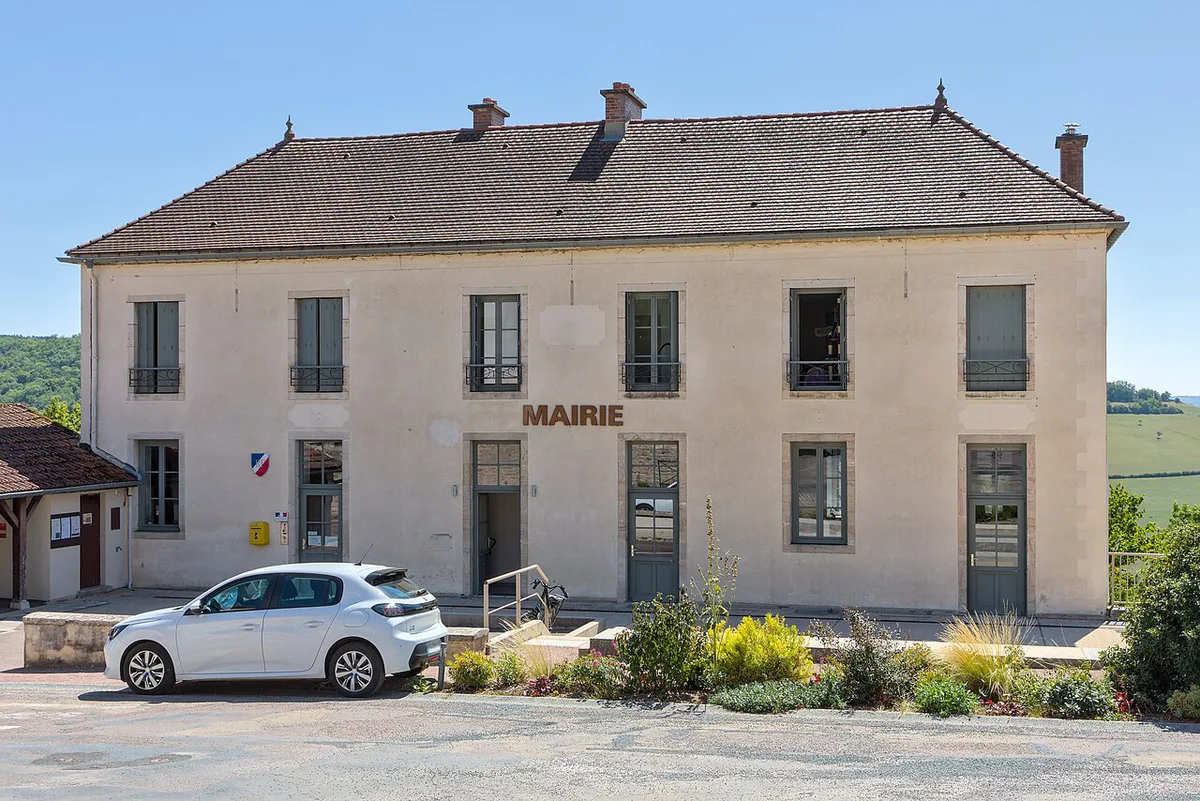
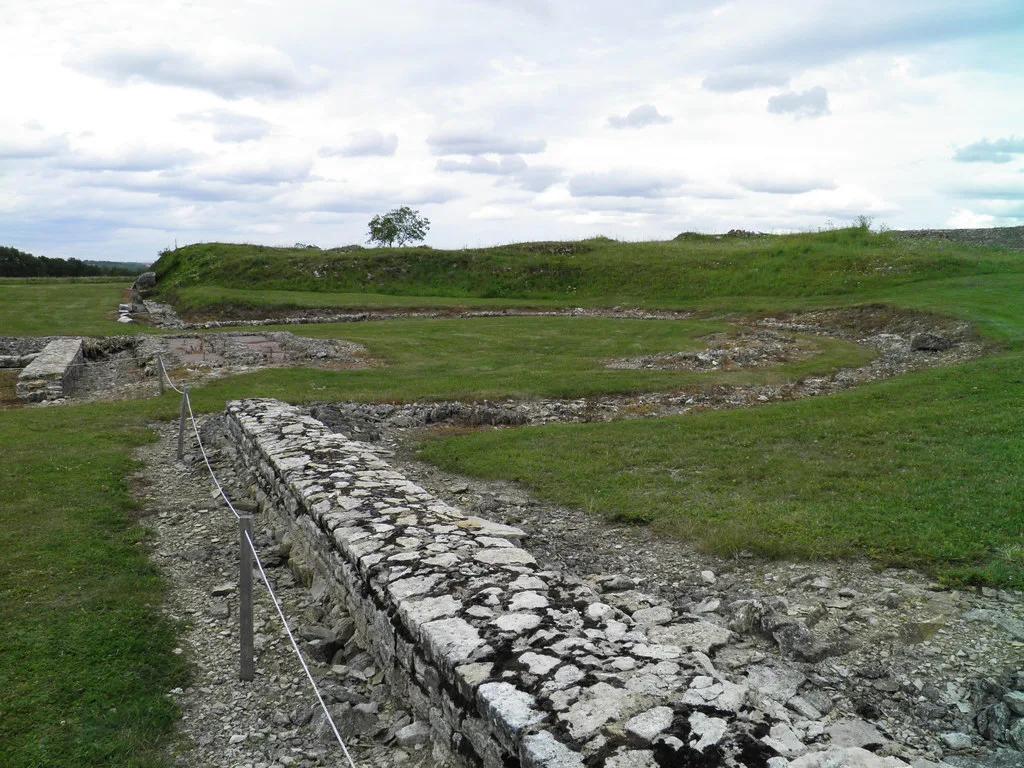
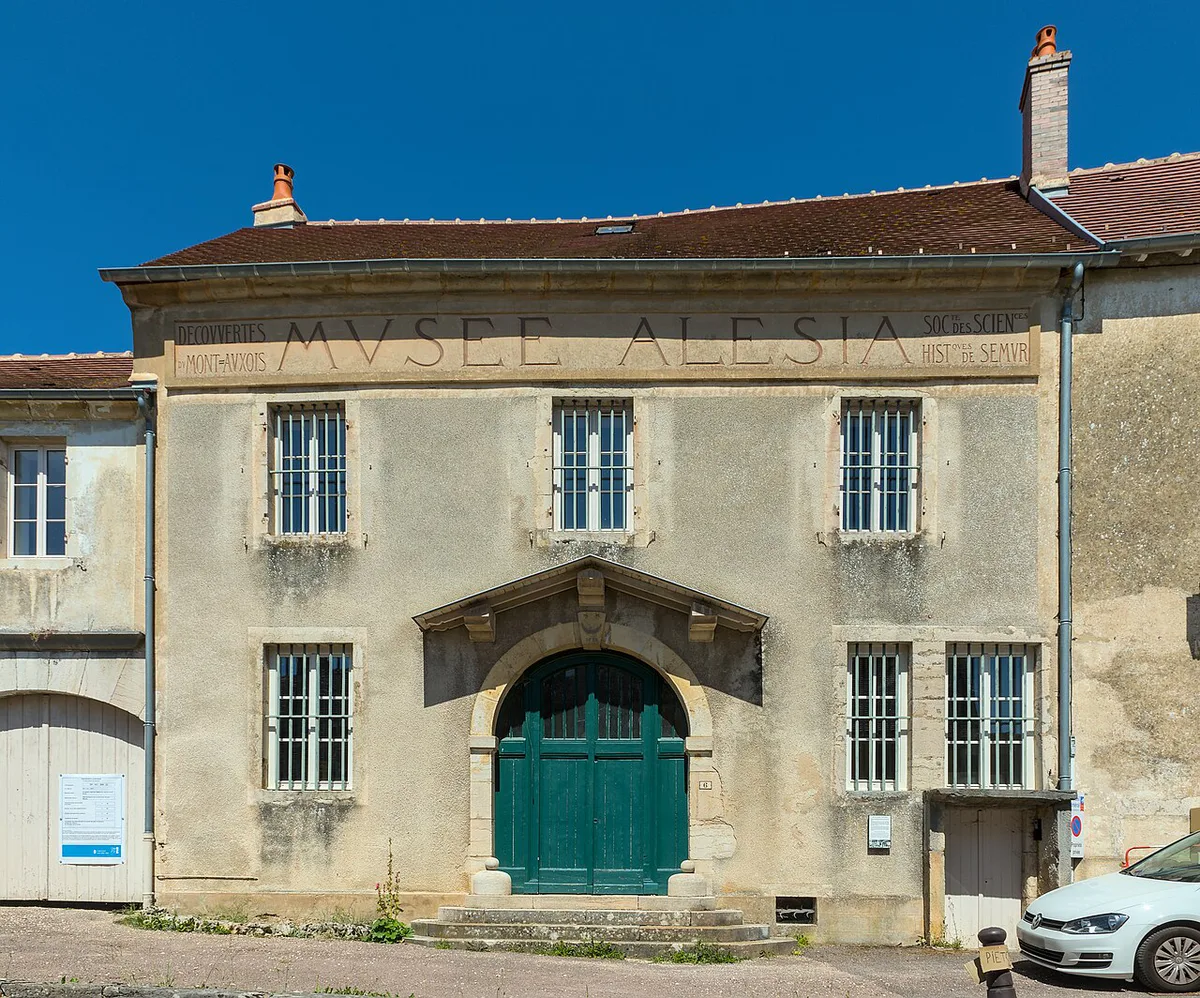
Alesia is a landscape-led visit. You get excavated remains of the Gallo-Roman town, an interpretive centre at the MuséoParc, and the terrain itself. The terrain explains the siege better than any single ruin. High ground, valleys and open approaches show why two facing rings of works were needed. Do not expect grand standing monuments. Check the official site for which areas and exhibitions are open on your dates.
Caesar's Gallic War, Book 7, is the ancient account to read first. On site, the slopes and valleys show why two facing rings of works were needed.
How the Siege Played Out: Siege Lines and the Final Battle
Understanding the sequence makes the terrain easier to read on the ground. The outline below follows Caesar's account, and several of its figures are disputed by modern historians.
- Blockade. Caesar's troops dug ditches and built ramparts, towers and obstacles around the hill. Caesar gives the inner line as about 11 Roman miles (roughly 16 km).
- Outer line. Once he learned a relief force was coming, he built a second line facing outward. He gives it as about 14 Roman miles (roughly 21 km).
- Starvation. Food ran short inside. Caesar says the Mandubii were pushed out of the town and left between the lines, where they were refused entry by both sides.
- Relief attempt. The relief army arrived and attacked the outer works while Vercingetorix's men attacked the inner ones. Caesar reports several days of fighting, and the decisive moment came when his cavalry and reserves struck the Gallic forces.
- Surrender. With the relief army broken, Vercingetorix surrendered to Caesar.
Caesar's numbers for the Gallic forces are very large and are treated cautiously today. Do not take them as exact counts. Standing on the surrounding slopes, you can see why the Romans needed both an inner and an outer line.
How to Plan Your Visit: Time, Cost, Access
Opening hours, ticket prices and closing days are set by the operator and change by season. Read them on the official MuséoParc site before you build a day around it. Pick the format that matches your interest.
| Part of the visit | Best for | Plan around |
|---|---|---|
| Museum and interpretive centre | Families and casual visitors | Opening hours and ticket status on the official site |
| Excavated Gallo-Roman town | History buffs, archaeology fans | Weather and walking on uneven ground |
| Hilltop and surrounding terrain | Anyone who wants to understand the siege | Season, footwear and daylight |
- History buff: allow a long visit and read Book 7 beforehand.
- Casual visitor: the museum plus a short walk is enough.
- Family: lean on the museum and keep the outdoor walking short.
Getting There and Where to Stay
Driving is the likely default for a rural Burgundy site. Rail and bus connections to Alise-Sainte-Reine should be checked with SNCF and regional transport for your travel date. For lodging, Autun is a Roman city in Burgundy and a natural base. Check driving distance before you book there.
Common Mistakes and Trade-Offs
Most disappointments come from expectations, not from the site. Use this list to set them.
- Expecting a standing city: Alesia is a battlefield and excavated town, unlike Arles or Orange.
- Underestimating the walking: the siege makes sense only across open, uneven terrain.
- Mixing up sites: Alesia, Bibracte and Autun are three different places with different stories.
- Skipping the museum: without it, the ground is hard to read.
Combine Alesia With Other Roman Sites in France
Pair Alesia with a standing monument to see the contrast. Autun's Roman remains are the natural Burgundy pairing. In the south, Roman Arles: Monuments, Tickets and a Visit Plan show an intact city. Théâtre antique d'Orange adds a standing stage wall. Official details for that theatre are on the Orange theatre site.
| Site | What you actually see | Effort |
|---|---|---|
| Alesia | Battlefield terrain, excavated town, museum | Car likely needed; walking on uneven ground |
| Bibracte | Gaulish oppidum context | Check access before planning |
| Autun | Roman city remains in Burgundy | Easier as a town visit |
| Arles / Orange / Vaison-la-Romaine / Glanum | Standing Roman monuments | Easier as stand-alone stops |
Is Alesia Worth a Detour?
Alesia is most rewarding for visitors interested in the 52 BC siege, Gaulish resistance, or how a battlefield can be read through its terrain. It is less suited to travellers looking for a compact stop filled with intact Roman buildings.
The key experience is connecting the museum, the excavated Gallo-Roman town and the surrounding slopes. Caesar’s account in The Gallic War, Book 7, gives useful context before you arrive. It helps explain why the Roman works faced both the hilltop position and the approaching relief army.
Make the detour if you have a car, enjoy military history and can manage outdoor walking on uneven ground. Pair it with Autun for visible Roman urban remains, or Bibracte for the wider Gaulish setting. Choose Arles or Orange instead if your priority is large standing monuments and an easier town-based visit.
Related guides
Continue reading
Guides on the same trip