Maiden Castle Dorset: Visitor Guide to the Iron Age Hill Fort
Last updated November 2026. Maiden Castle Dorset is an Iron Age hill fort 1.6 miles south-west of Dorchester, managed by English Heritage. By some definitions it is the largest hill fort in Europe, and its layered ramparts make it a landscape visit rather than a staffed attraction. This guide covers what you will see, how to reach it from Dorchester and who should skip it.
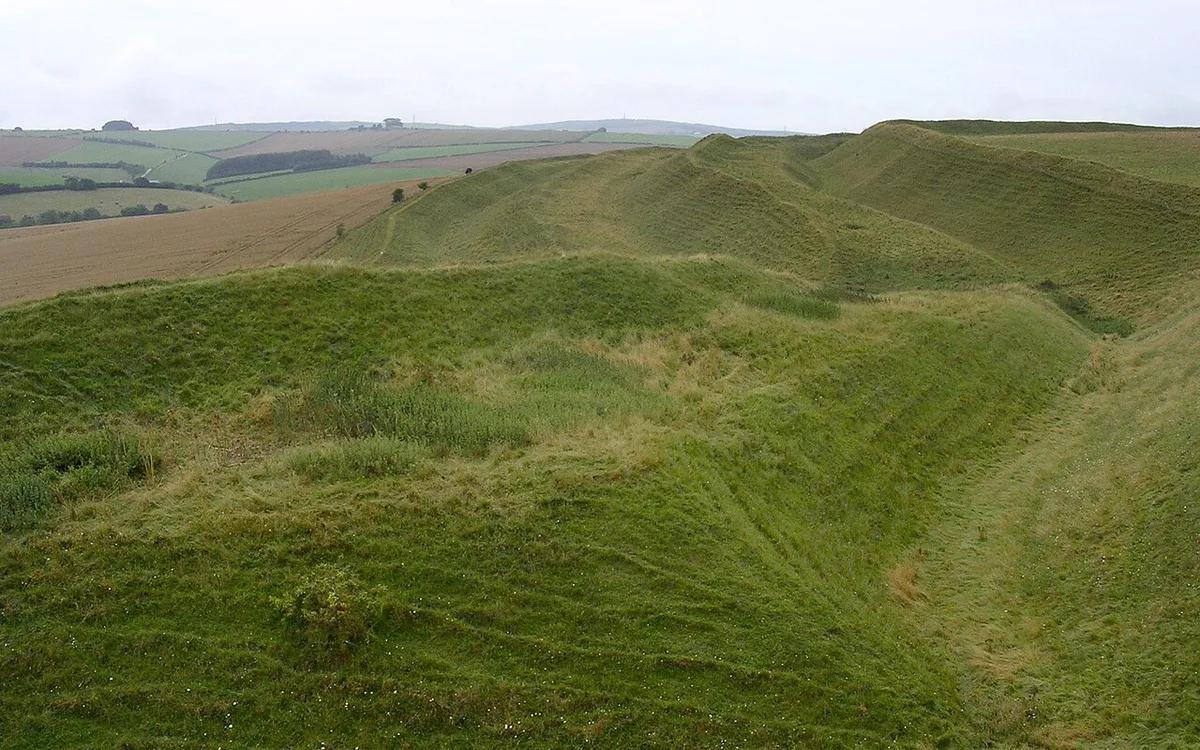
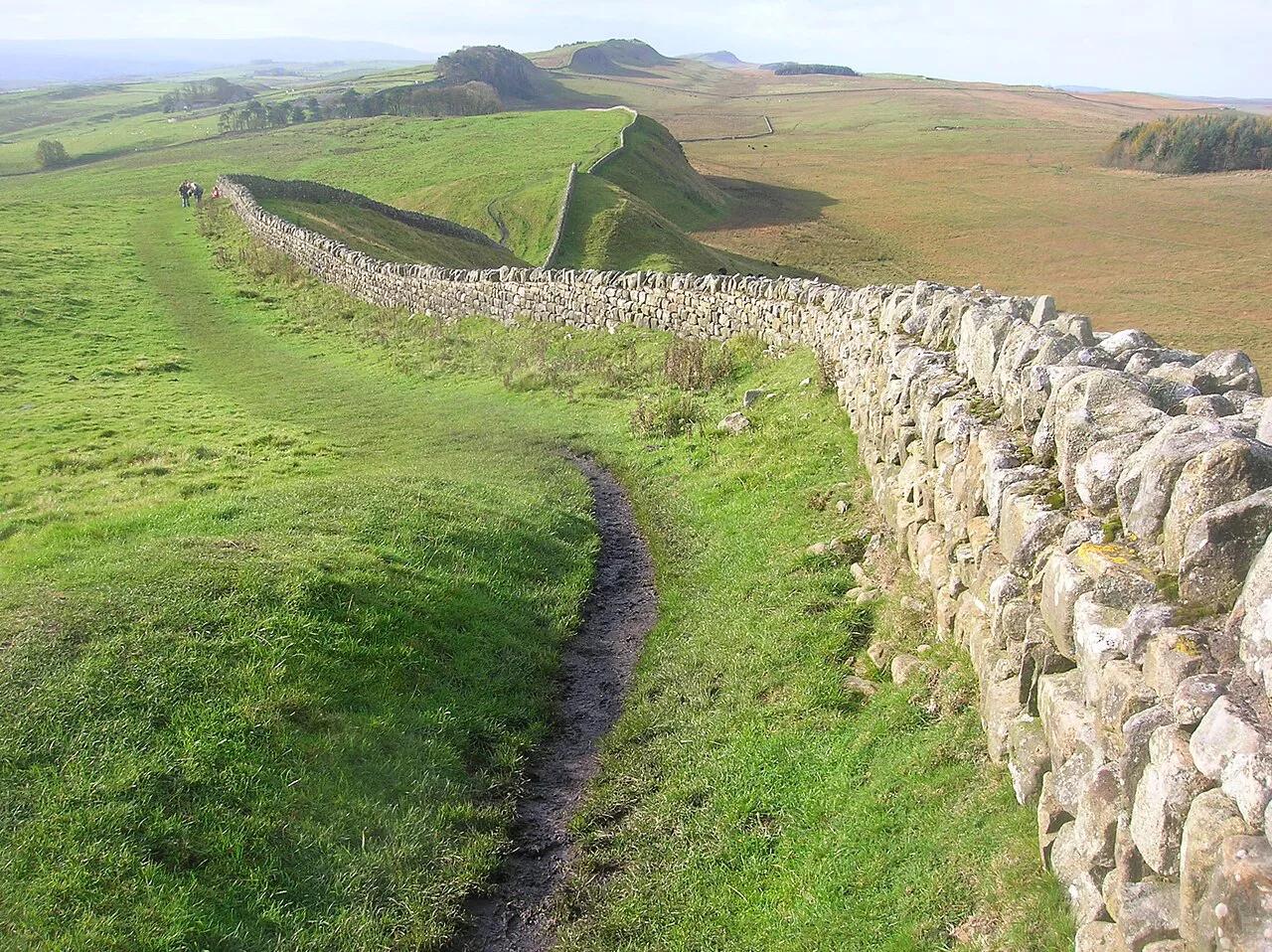
Featured image: Jim Champion, CC BY-SA 3.0, via Wikimedia Commons.
Maiden Castle at a Glance
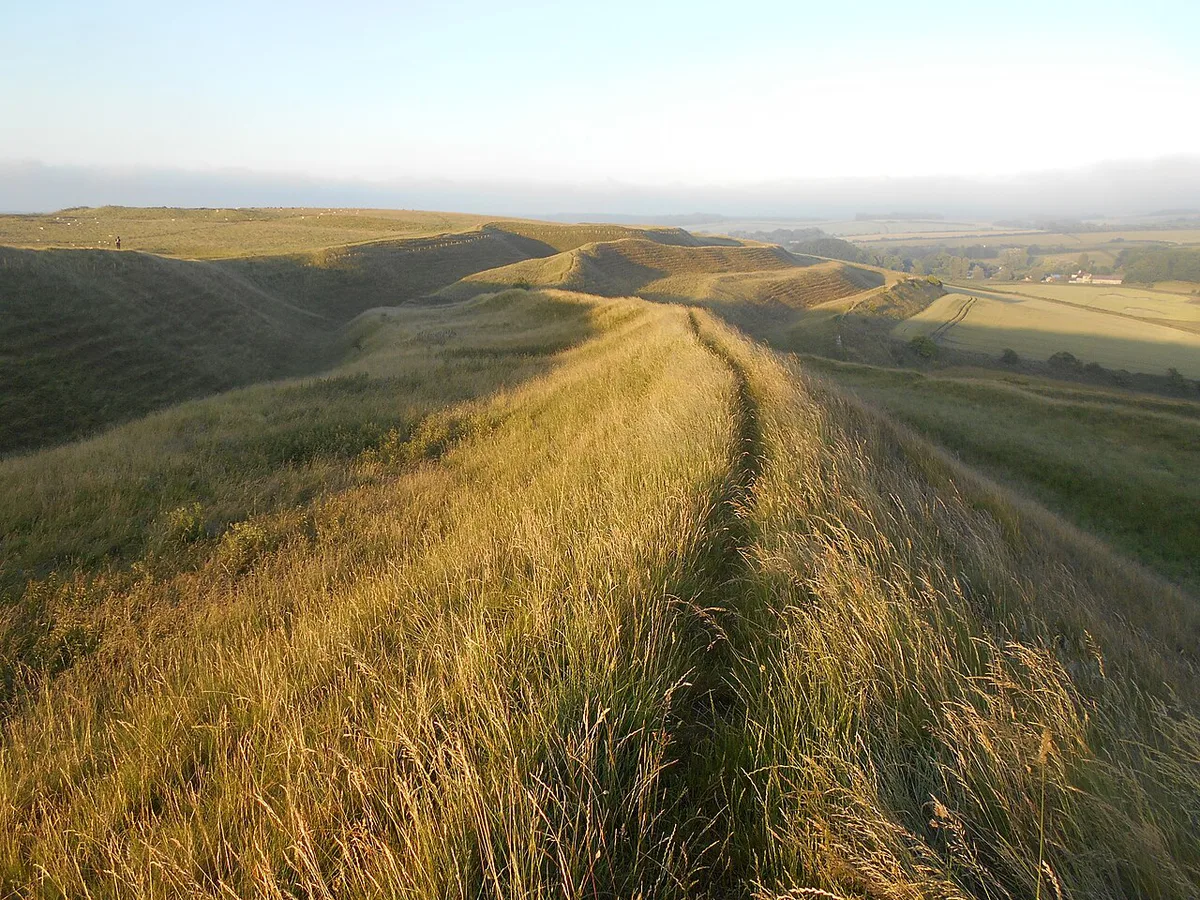
Maiden Castle sits 1.6 miles south-west of Dorchester, in Dorset rather than Wiltshire. Expect grass banks, ditches and wide views, not buildings or interpretive displays. English Heritage manages the site, so its official page is the place to check access rules and any charges.
- What it is: an Iron Age hill fort with earlier Neolithic roots
- Where: south-west of Dorchester, Dorset
- Best for: earthwork enthusiasts, walkers and anyone curious about Iron Age Britain
- Skip if: you need a staffed site with a café, indoor displays or step-free paths
What Maiden Castle Is and Why It Matters
Earliest traces on the hill are a Neolithic causewayed enclosure and a bank barrow. Around 1800 BC, in the Bronze Age, the land was used to grow crops and then abandoned. Builders raised the first fort around 600 BC, covering 6.4 ha and looking much like many other British hill forts. Around 450 BC it was greatly expanded to 19 ha, nearly tripling the enclosed area. Many sources call it the largest hill fort in Britain, and by some definitions the largest in Europe. Habitation declined around 100 BC and shrank toward the eastern end. People lived here until at least the Roman period, when the area belonged to the Durotriges, a Celtic tribe.
What You'll See on the Ground
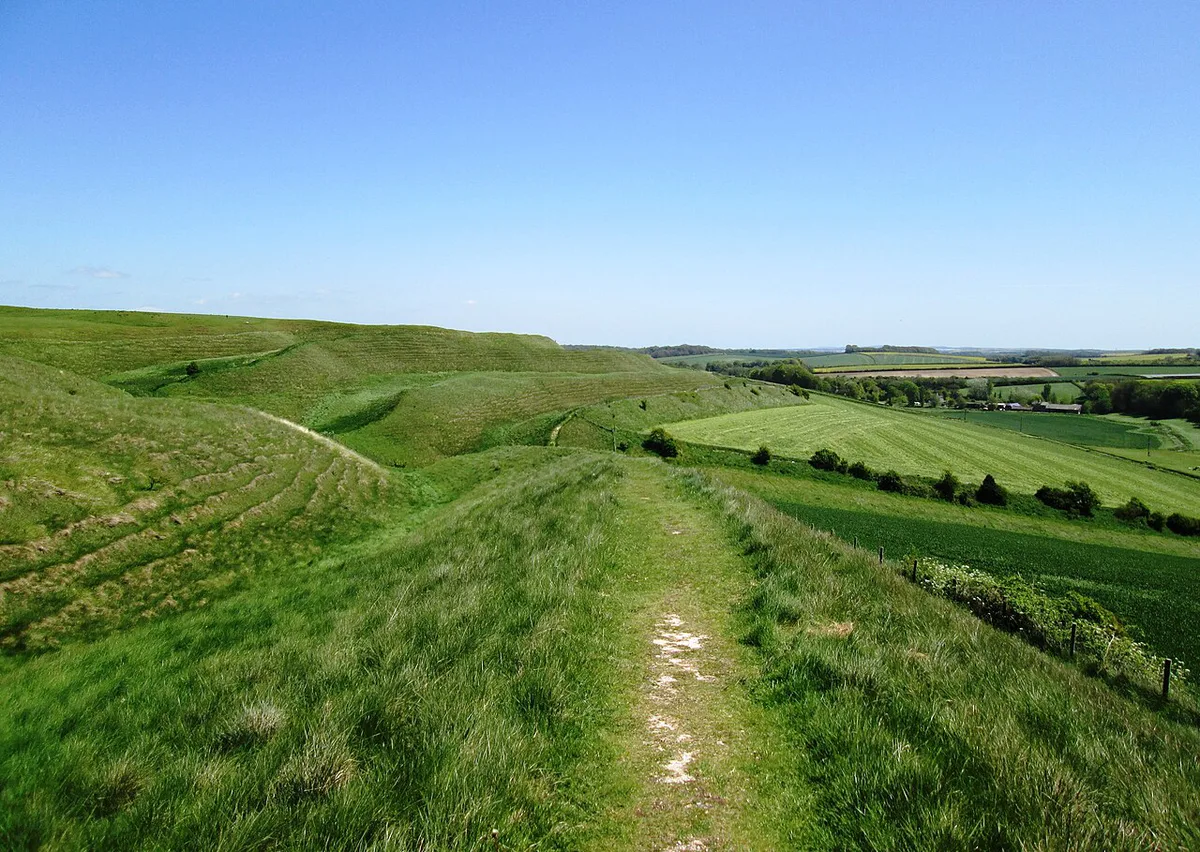
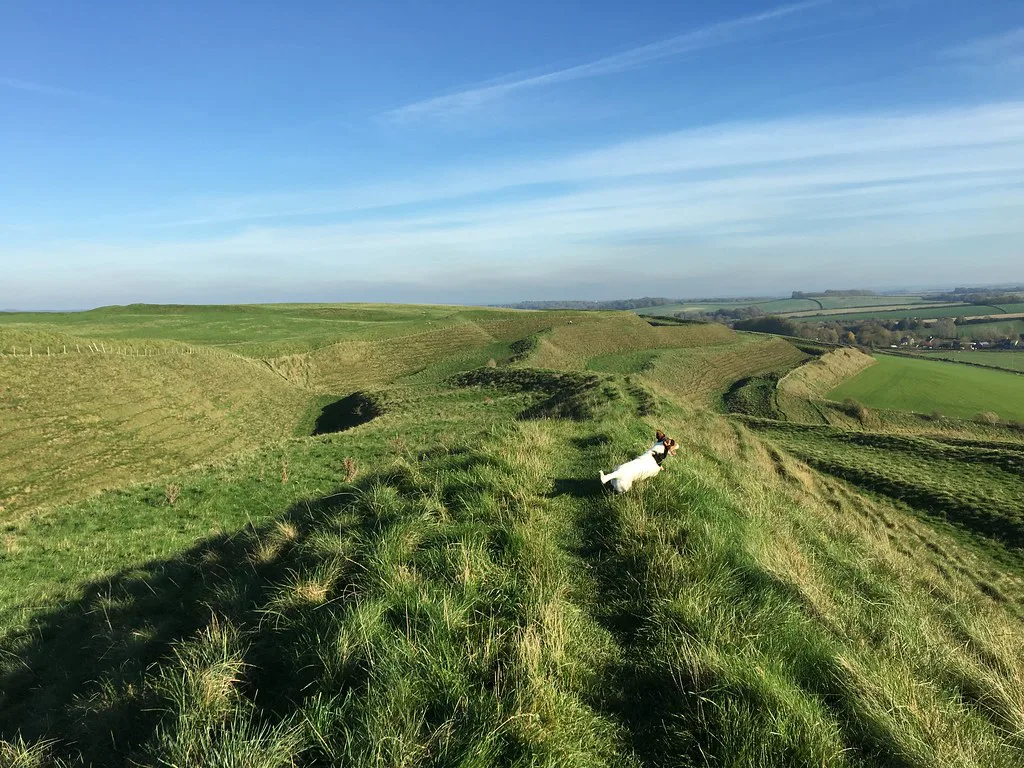
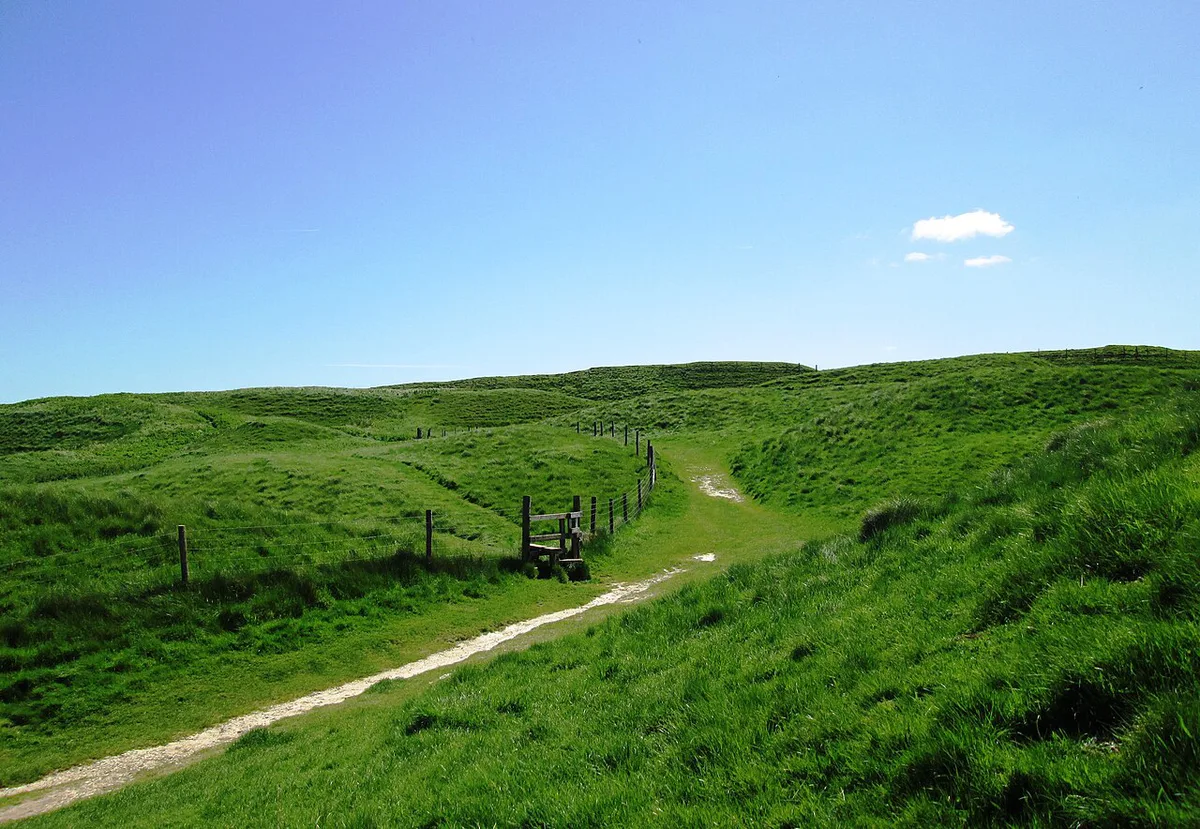
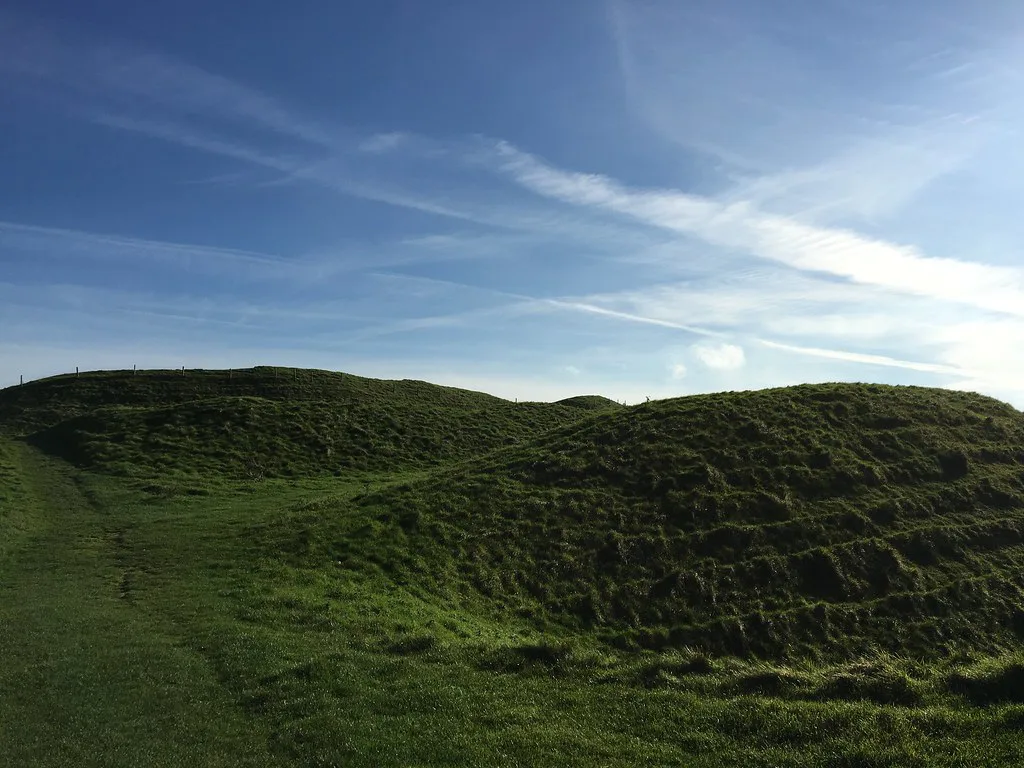
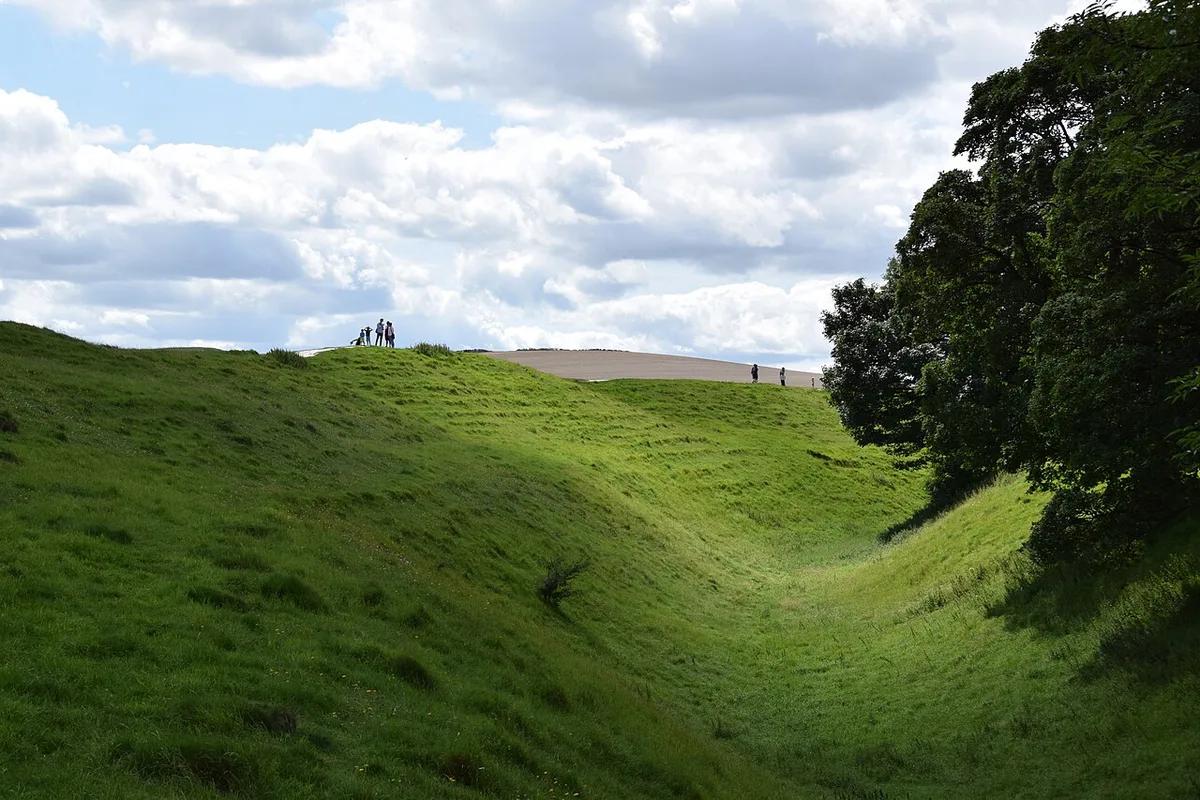
Ramparts and ditches are the whole experience. When the fort grew around 450 BC, builders added further ramparts and ditches, so the defences form stacked grass ridges rather than a single wall. Walk between them to feel how steep the layers are. The eastern end matters because that is where occupation concentrated after about 100 BC. Views open across the surrounding Dorset countryside, and there is no shelter on top. Expect wind, open sky and little signage.
Getting There From Dorchester
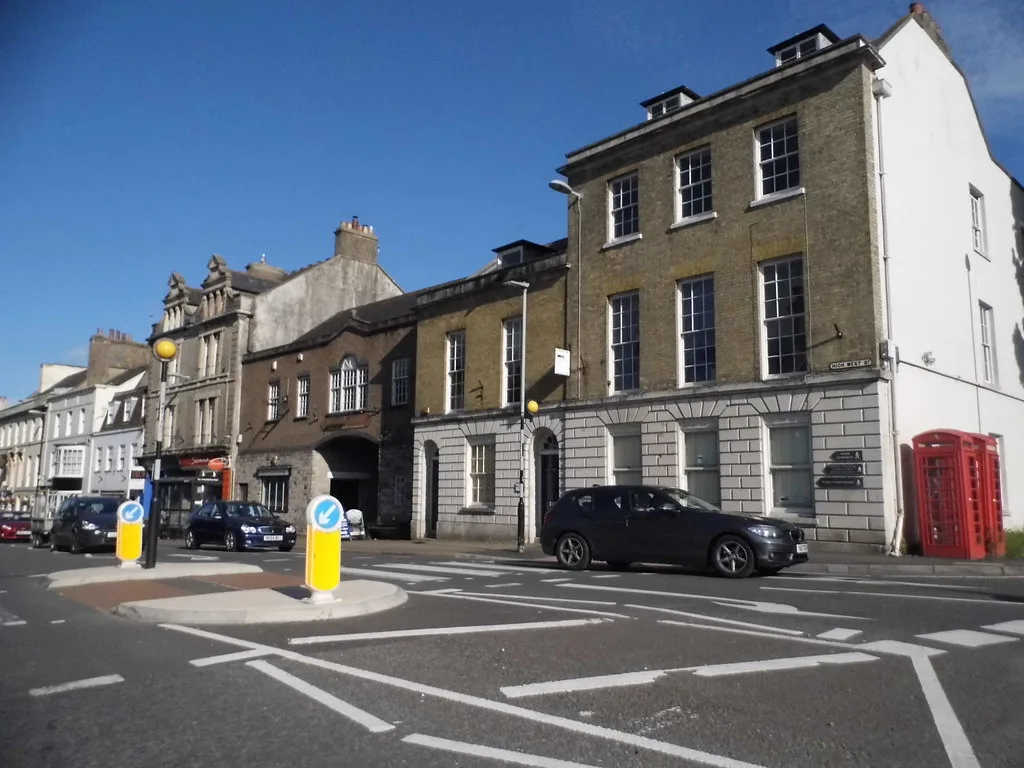
Distance is the key number: 1.6 miles in a straight line from Dorchester. A walking route will be longer than that, so treat it as a half-day outing on foot. Driving is quicker, though you should check the current parking arrangements on the English Heritage page before setting out. Public transport options change, so look up current local bus services rather than relying on an old timetable.
| Mode | Effort | What to check |
|---|---|---|
| Drive | Lowest | Parking location and any limits |
| Walk from Dorchester | Moderate, over 1.6 miles as the crow flies | Footpath route and ground conditions |
| Public transport | Varies | Current local bus services and stops |
How Long to Allow and Which Route to Walk
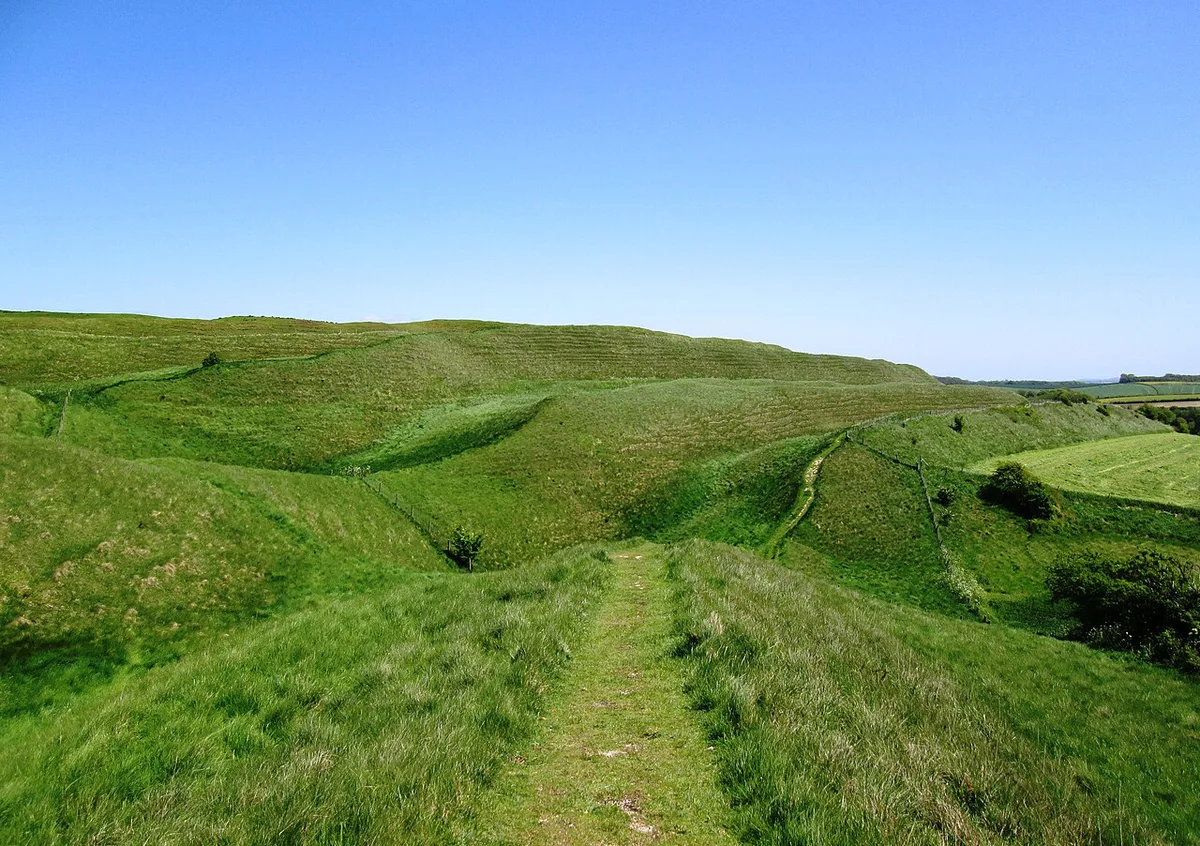
A short visit means walking in, climbing to the interior and returning. A fuller visit follows the rampart circuit around the 19 ha enclosure, so allow noticeably longer. Choose the short option if weather is poor or time is tight. Choose the full circuit for the best sense of the defences. Early morning and evening give low light that picks out the ridges, though no sunrise or sunset times are fixed here.
Costs, Hours and Access Rules
English Heritage manages Maiden Castle, and its official page is the source for hours, charges and visitor rules. Check it before you travel, since grazing animals and seasonal restrictions can affect access. Winter brings mud, and summer grass hides uneven ground.
Who Should Go and Who Should Skip
Go if you enjoy earthworks, open walking and early history. Skip if you need level paths, toilets on site or a guided experience. Visitors with limited mobility should check ground conditions first, because the ramparts are steep.
Pair It With Dorchester and Other Prehistoric Sites
Finds from the excavations are likely displayed at the Dorset Museum in Dorchester, so a museum stop makes sense. Check the museum's current opening details before planning the day. For another fort with a long history, read our guide to Old Sarum in Wiltshire. Neolithic enclosures were where Maiden Castle began, and Avebury's henge and stone circles show that world at larger scale. Continue with prehistoric Wiltshire sites or a wider look at Stone Circles in England: Where to Go and How to Choose. Those places are in Wiltshire and further afield, not next to Maiden Castle.
Common Mistakes to Avoid
Do not wear smooth-soled shoes, since the banks are steep and can be muddy. Do not expect facilities on the hilltop. Do not skip the museum, because it holds the finds. Do not confuse this Dorset hill fort with the Avebury cluster in Wiltshire.
Judging the trip by the 1.6 miles in a straight line underestimates it, since the rampart circuit adds time.
Frequently Asked Questions
Can you visit Maiden Castle?
Yes, it is a hill fort managed by English Heritage near Dorchester. Check its official page for current access rules before you go.
Are there any castles in Dorset?
Maiden Castle is not a medieval castle but an Iron Age hill fort built of earth ramparts. It is the best-known earthwork of its kind in the county.
Related guides
Continue reading
Guides on the same trip