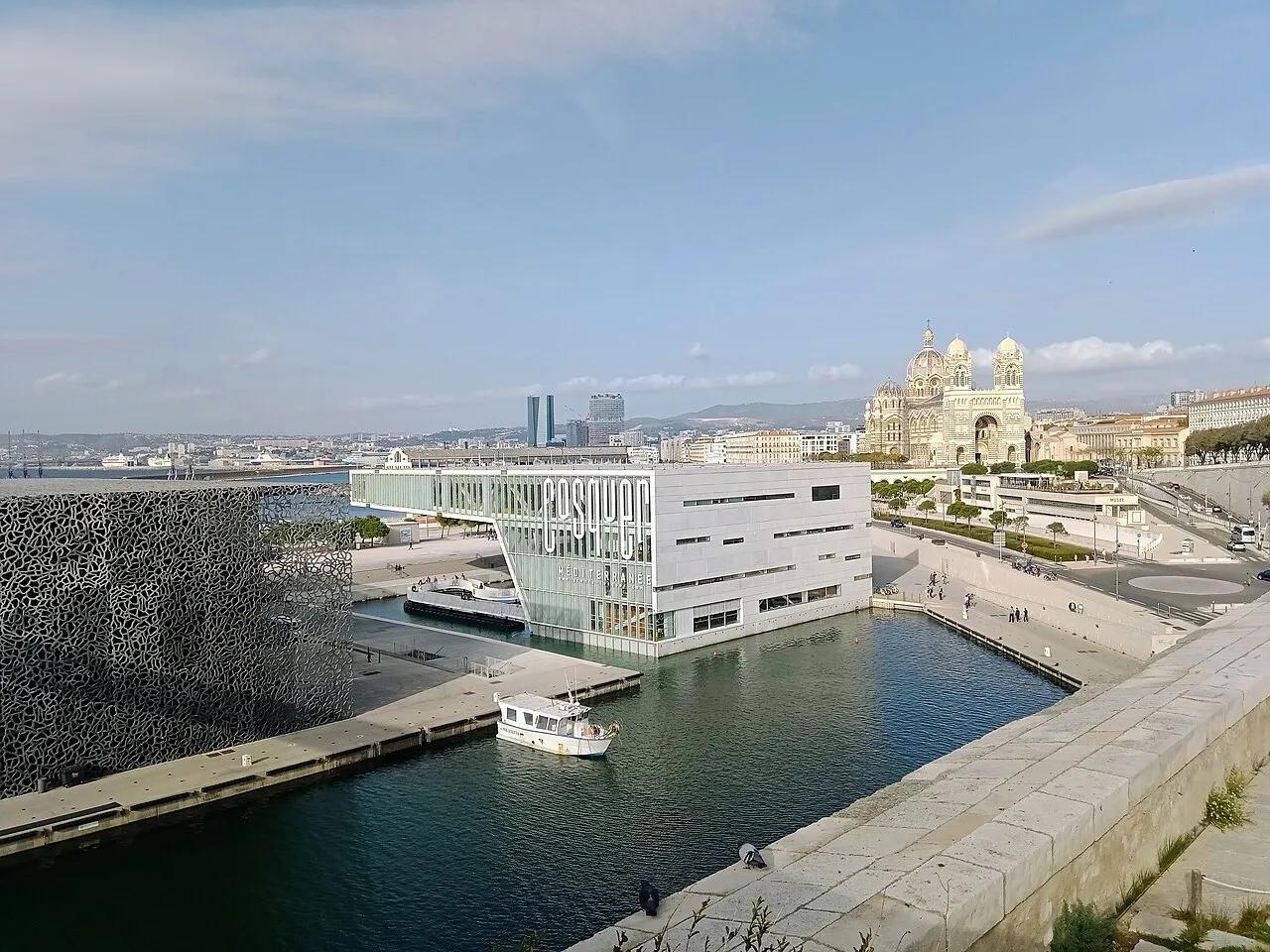
Last updated November 2026. Cosquer Cave, near Marseille in the Calanques area, cannot be entered as a visitor because its entrance lies underwater. Travelers see Cosquer Méditerranée, the full-scale replica in the Villa Méditerranée in Marseille. This guide explains what the original holds, how the replica works, and where it sits among France's other cave-art sites.
Featured image: Rémih, CC BY-SA 4.0, via Wikimedia Commons.
Cosquer Cave in brief
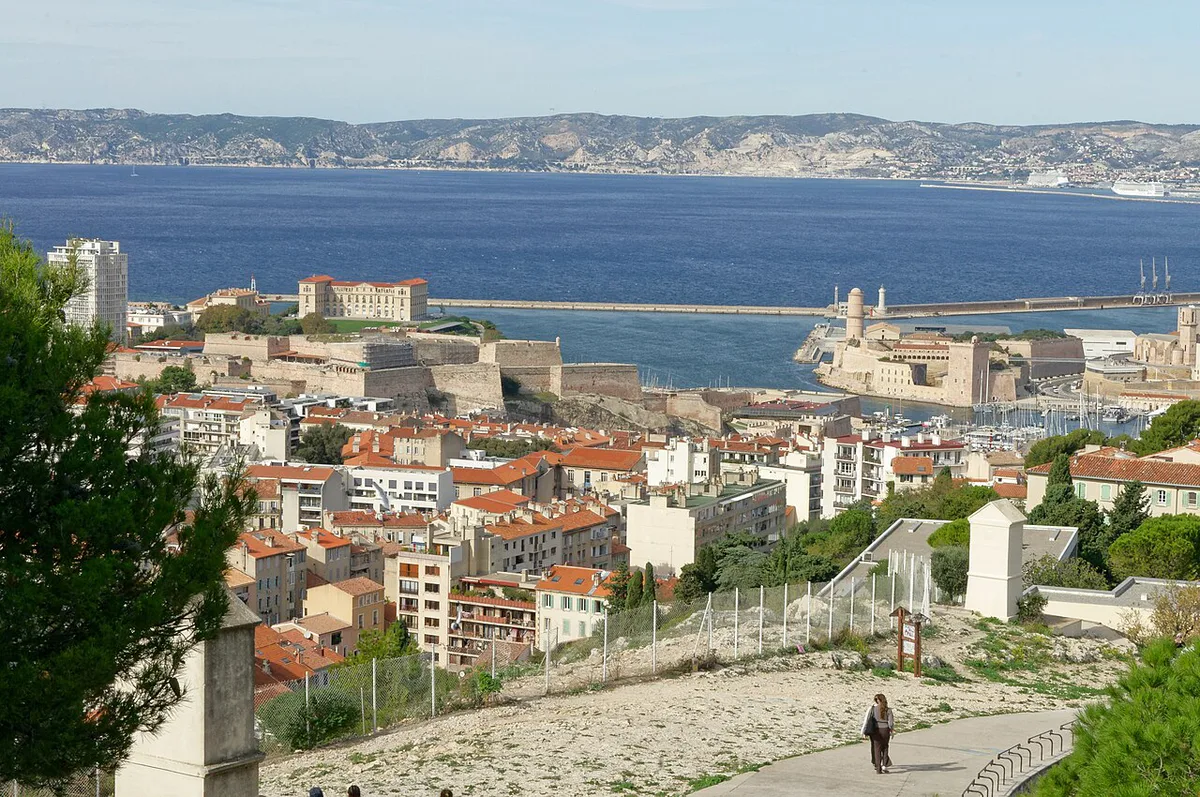
Cosquer Cave is a painted Paleolithic cave on the Mediterranean coast near Marseille. Diver Henri Cosquer found it in 1985, and its paintings were not made public until 1991. Today its original entrance sits about 35 meters (115 feet) below sea level. For visitors, the practical answer is simple: go to the replica in Marseille, because the original is closed.
- Discovered: 1985, by scuba diver Henri Cosquer
- Paintings made public: 1991
- Original entrance: about 35 m (115 ft) below present sea level
- Art phases: two, with radiocarbon dates clustering around 19,000 BP and 27,000 BP
- Visit option: the replica, Cosquer Méditerranée, in the Villa Méditerranée in Marseille
Can you visit the original Cosquer Cave?
No. Reaching the original means diving through the submerged entrance, so it is not a walk-in site like Font-de-Gaume. Sea level rose after the last Ice Age and flooded the lower part of the cave. A gallery slopes upward for about 110 m (360 feet) from the entrance to a large chamber that stayed partly above water. Roughly 75 to 80% of the cave is now underwater, and no art survives in that section. Heritage authorities handle conservation and access, as described by the French Ministry of Culture. Do not expect any diver-tour option for tourists.
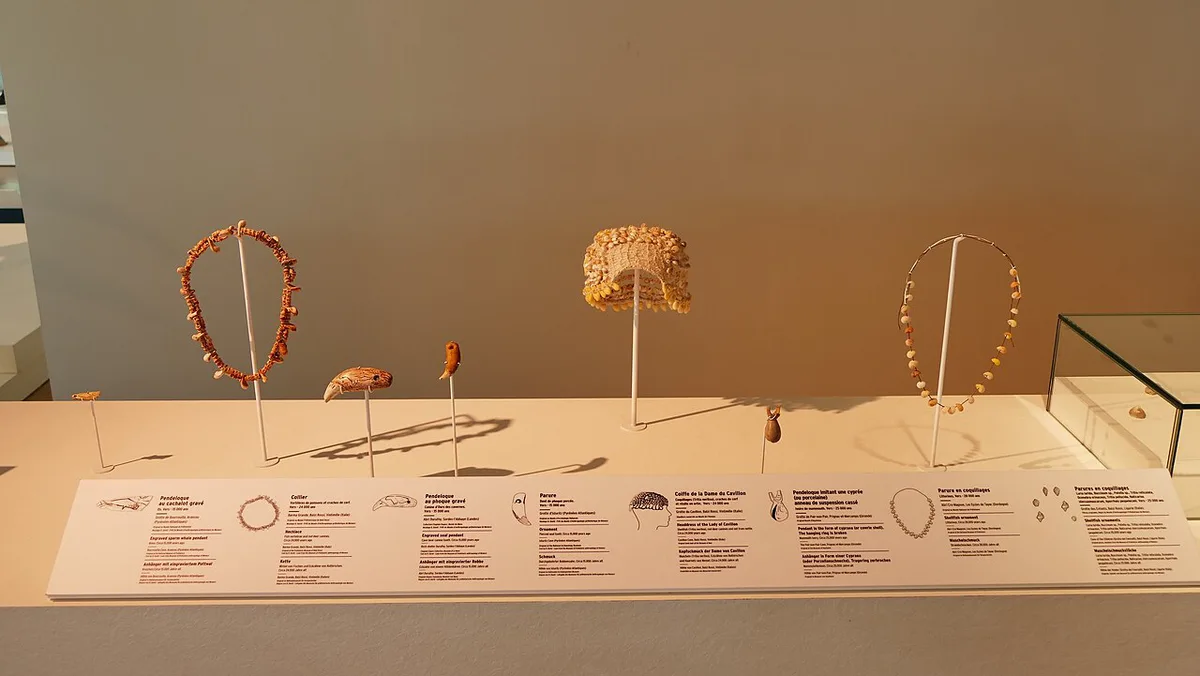
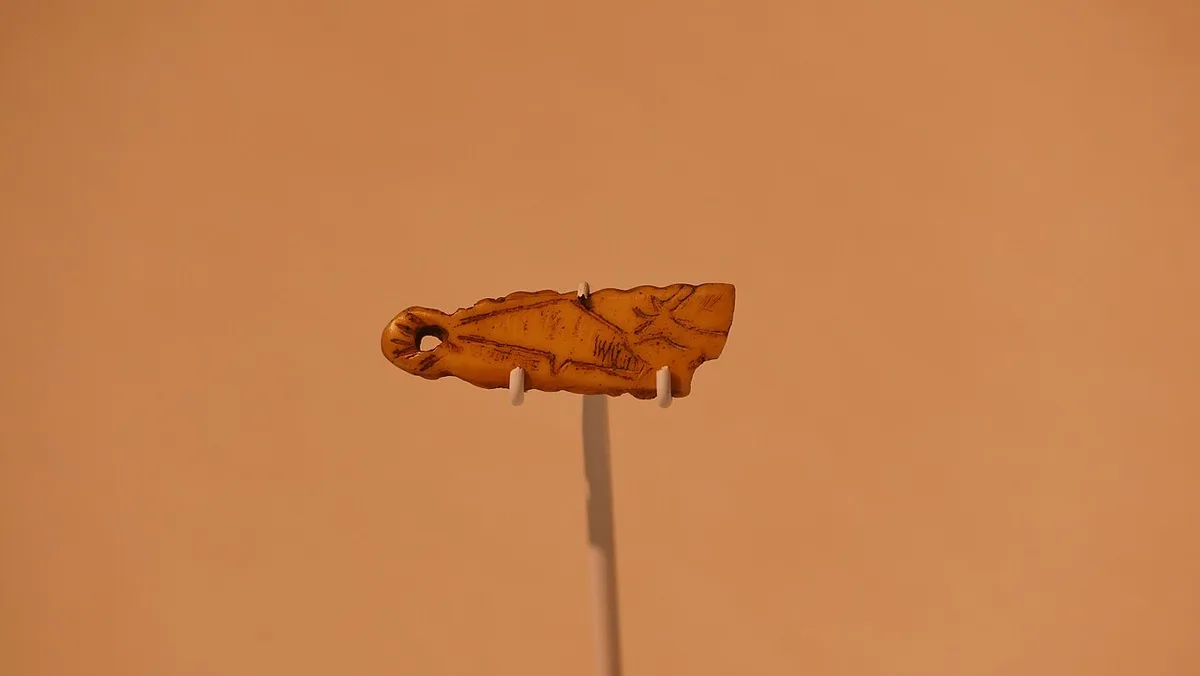
Visiting the Cosquer replica in Marseille
Cosquer Méditerranée reconstructs the cave at full scale inside the Villa Méditerranée in Marseille. It lets you see the painted chamber without any diving. Ticket prices, opening hours, time slots, visit length, languages and accessibility change over time. Check the official Cosquer Méditerranée site before you plan your day. Book ahead if the site uses timed entry, especially in summer. The replica suits serious cave-art fans and casual city-break travelers alike. It also works well for families, since it needs no hiking or diving.
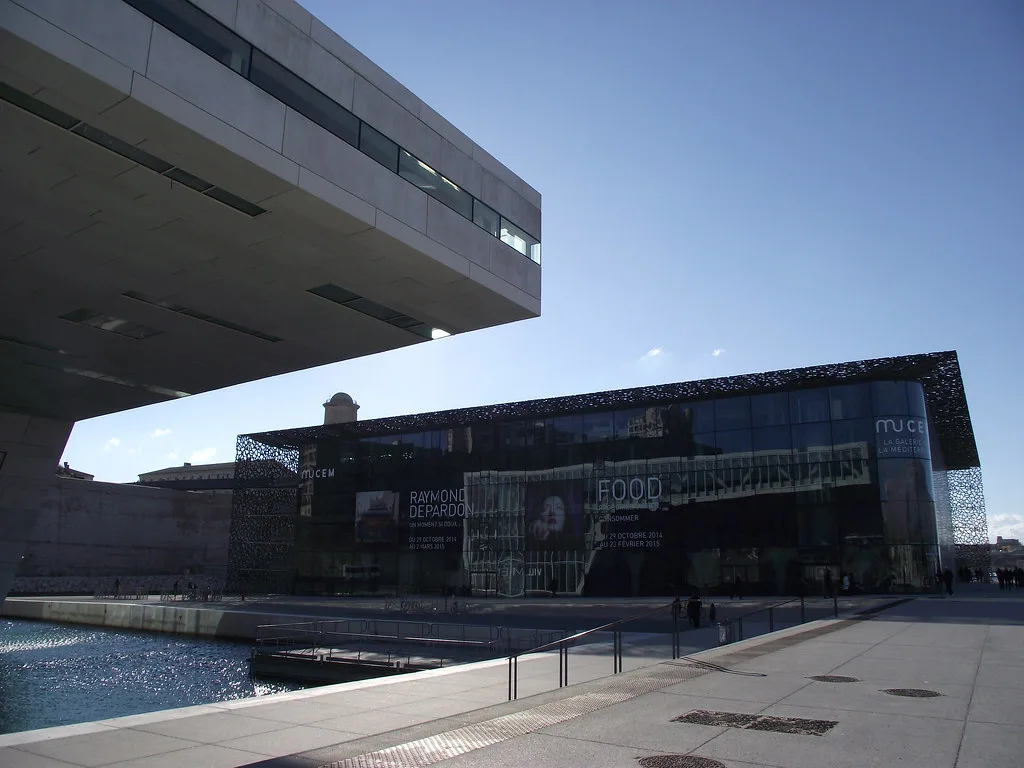
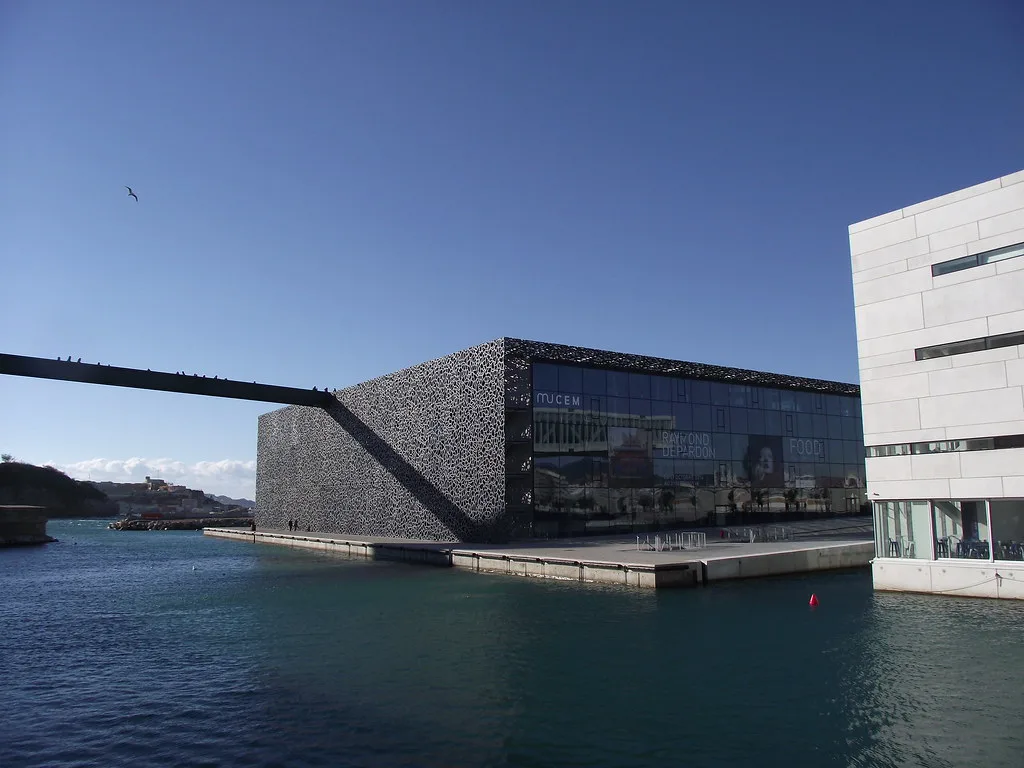
Getting to the Villa Méditerranée and pairing it with MuCEM
The replica sits on the Marseille waterfront, a short walk from the Vieux-Port side of the Joliette district, so it needs no car and no day trip out of the city. That makes it easy to slot into a normal city-break day.
Getting there
- Metro: line 2 to Joliette is the simplest approach, followed by a walk of a few minutes toward the sea.
- Tram: the Marseille tram lines also stop at Joliette.
- On foot: from the Vieux-Port, the walk along the harbor edge passes Fort Saint-Jean and takes roughly 20 to 30 minutes at an easy pace.
What to combine it with
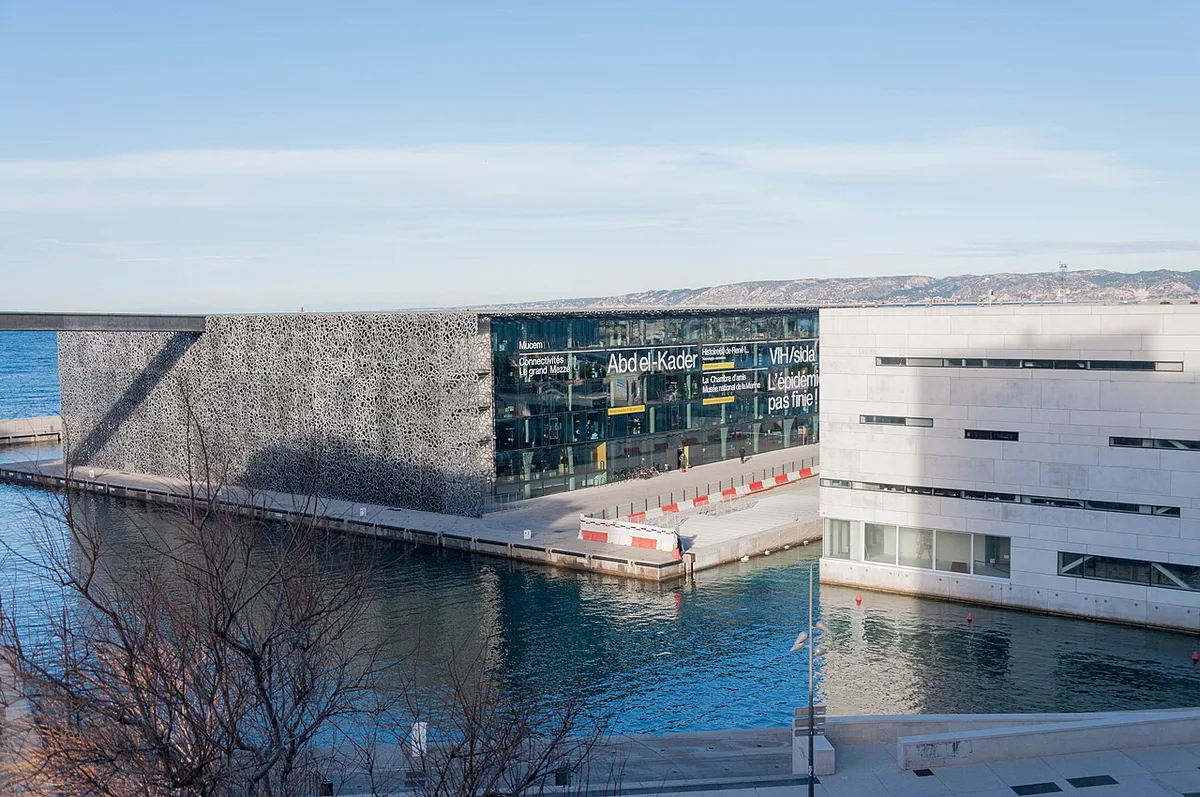
The Villa Méditerranée stands in the same waterfront quarter as the MuCEM museum and the Fort Saint-Jean footbridge, so a half-day around the harbor can cover several stops without crossing the city. Plan the replica for a timed slot, then use the time before or after it for a museum or a coffee along the quay.
- Morning slot: usually quieter in summer, and cooler for the walk from the Vieux-Port.
- Afternoon slot: works well after a lunch in the Panier or on the waterfront.
Opening days and times vary by season, so allow for the season when you set the order of your day.
What the cave contains
Researchers who measured every figure in 2002 and 2003 now count 177 animal figures of 11 species. Those species are horse, bison, aurochs, ibex, chamois, saiga antelope, red deer, megaloceros deer, feline, auk and seal. Sea animals are unusual in Paleolithic art, which makes Cosquer stand out. Counts come from a 2015 summary and scholars may have revised them since.
- 65 hand stencils
- 216 geometric signs
- Child handprints recorded 2.5 m (about 8 ft) or more above the floor, deep in the cave
- One human figure with a seal's head
- Earlier phase: hand stencils and finger tracings
- Later phase: most of the animal paintings and engravings
Why the original is sealed and how replicas protect it
Cosquer's closure is not only a matter of the flooded entrance. Cave art reacts badly to people: breath, body heat and humidity change the air and can encourage mold or mineral deposits on painted walls. The original is therefore kept to a small circle of researchers and conservators working under heritage rules.
The sea adds a second pressure. Water in the lower galleries has already erased any art that once existed there, and the surviving painted chamber sits in the upper part of the cave. Keeping that chamber stable is the reason a full-scale reconstruction is a sensible public option rather than a second-best one.
What a replica gives you that the cave could not
- Safe access: you stand in front of the paintings without any dive, equipment or risk to the originals.
- Clear viewing: the panels are lit and presented so the hand stencils and animal figures are easy to read.
- Comparison: you can see the two art phases described above in a single visit.
Cosquer is not alone in this approach. Spain's Altamira cave also directs most visitors to a replica to protect the fragile original, which is a useful comparison if you are weighing several cave-art trips.
Cosquer vs other French cave-art sites
Only some French caves let you enter the original. Others, like Cosquer, send you to a replica. Use this table to match each site to your plans. Read our French cave-art overview for the wider picture. Booking rules vary by site, so check each official page.
| Site | Original or replica | Region | Best for |
|---|---|---|---|
| Cosquer | Replica in Marseille (original closed) | Marseille, Provence | City-break visitors |
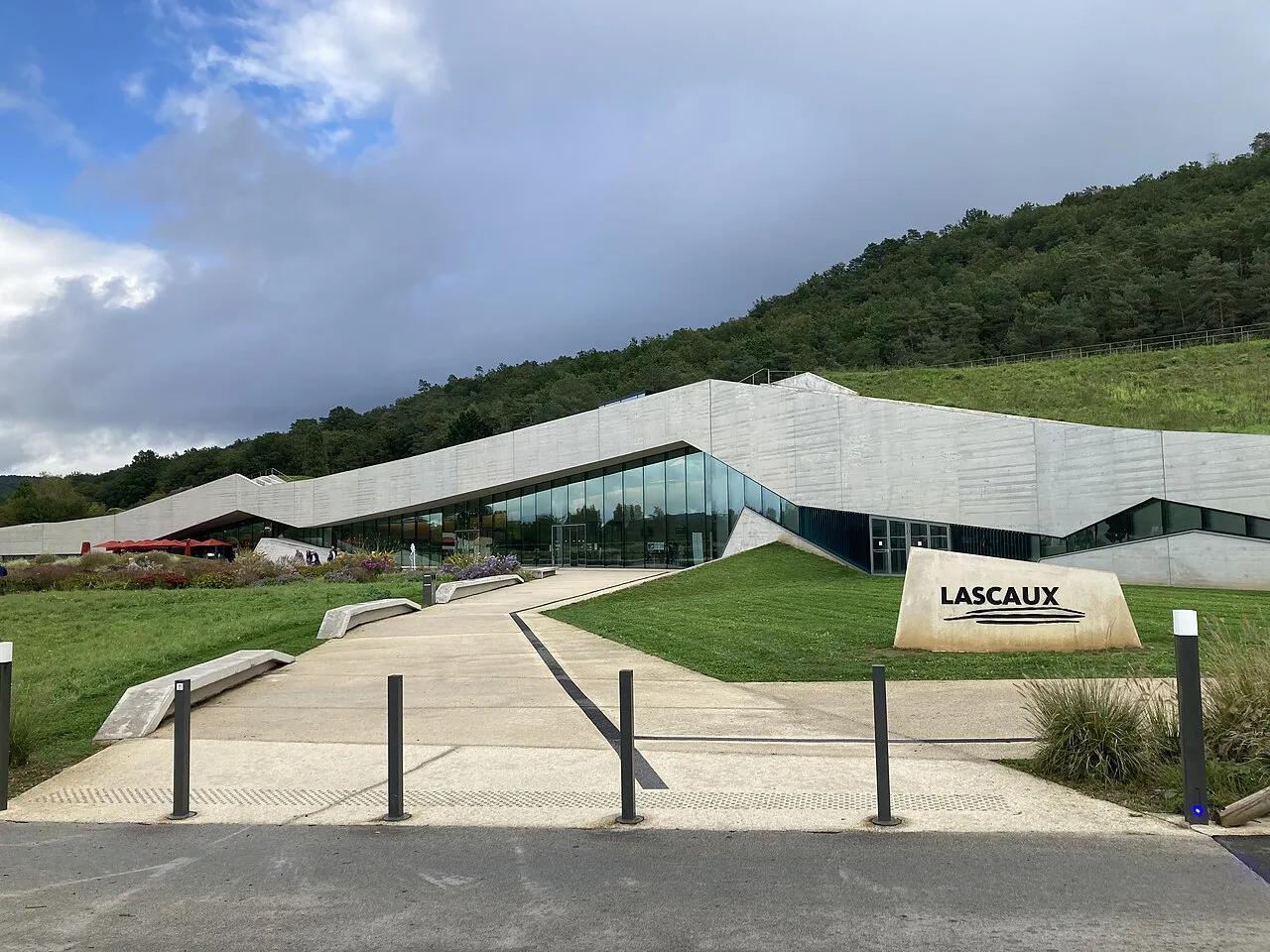
| Lascaux / Lascaux IV | Replica (see our original comparison) | Dordogne, Vézère | Famous paintings |
| Chauvet | Replica (Chauvet 2) | Ardèche | Closed-original parallel |
| Font-de-Gaume | Original | Dordogne, Vézère | Seeing real paintings |
| Rouffignac | Original | Dordogne | Seeing a real cave |
| Pech Merle | Original, check official site | Check official site | Open original caves |
| Niaux | Original | Pyrenees | Pyrenees trips |
Planning a cave-art itinerary in France
Cosquer fits a Marseille city break, because the replica sits in town and needs no long transfer. Chauvet's replica is a natural parallel, since both originals are closed. Read about Chauvet Cave and its replica to compare. For a multi-cave trip, the Dordogne is stronger. Vézère Valley packs several sites close together, including Lascaux. Compare booking effort in our Lascaux tickets guide. If you want original paintings, add Rouffignac or Niaux in the Pyrenees.
Original gallery climbs about 110 m (360 feet) from the entrance, so a Marseille city-break stop is the realistic Cosquer option.
Mistakes to avoid
A few errors cause most disappointment at Cosquer.
Underwater entrance sits about 35 meters (115 feet) below sea level, so no visit plan reaches it without diving.
- Expecting to enter the original cave. It is closed and underwater.
- Skipping advance booking when the replica uses timed entry.
- Confusing Cosquer with Lascaux IV or Chauvet 2, which are different replicas in other regions.
- Assuming a diver-tour option exists for tourists.
- Treating the replica as a short stop. Check the official site for visit length.
Frequently Asked Questions
How old are the Cosquer cave paintings?
Radiocarbon dates cluster around 19,000 BP and 27,000 BP. Researchers see two main art phases. Hand stencils and finger tracings belong to the earlier phase, while most animal figures belong to the later one.
What are some of the most famous cave paintings in France?
Lascaux and Chauvet are among the best known, and Cosquer is a strong third. Our guide to cave paintings in France compares the main sites.
Related guides
Continue reading
Guides on the same trip