Last updated November 2026: cave paintings in France can be seen at dozens of sites, but the three most famous caves are visited through replicas. Lascaux, Chauvet and Cosquer are all closed to the public in their original form. Font-de-Gaume, Pech Merle and Niaux still let a limited number of visitors see original paintings, so the right choice depends on what you want to stand in front of.
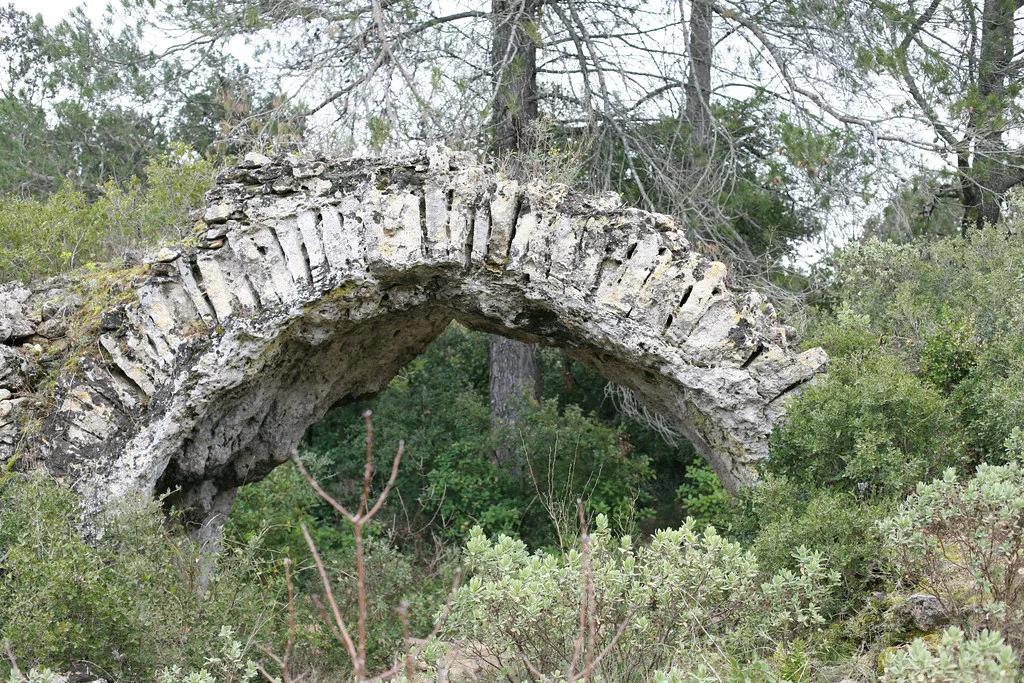
Featured image: roland, CC0 1.0, via Flickr.
Quick answer: the main caves at a glance
France has more than 350 decorated caves across France and Spain, according to one prehistory overview, but only a handful are practical to visit. This table sorts the main ones by what you actually see. Booking pressure is our editorial assessment, so check each official page for current slots, tour languages and group sizes.
| Site | Region | Original or replica | What you see | Booking pressure | Best for |
|---|---|---|---|---|---|
| Lascaux IV | Montignac, Dordogne | Full replica | Facsimile of the cave plus a museum | Moderate to high | First-timers, families |
| Font-de-Gaume | Near Les Eyzies, Dordogne | Original | Polychrome bison and horses | High | Original-art seekers |
| Rouffignac | Dordogne | Original | Engraved and drawn mammoths, reached by a small train | Moderate | Families, mobility |
| Pech Merle Cave: Tickets, Hours & Visit Guide | Lot | Original | Painted horses and hand outlines | Moderate | Road-trippers |
| Niaux | Ariège, Pyrenees | Original | Charcoal bison in the Black Room | High | Pyrenees itineraries |
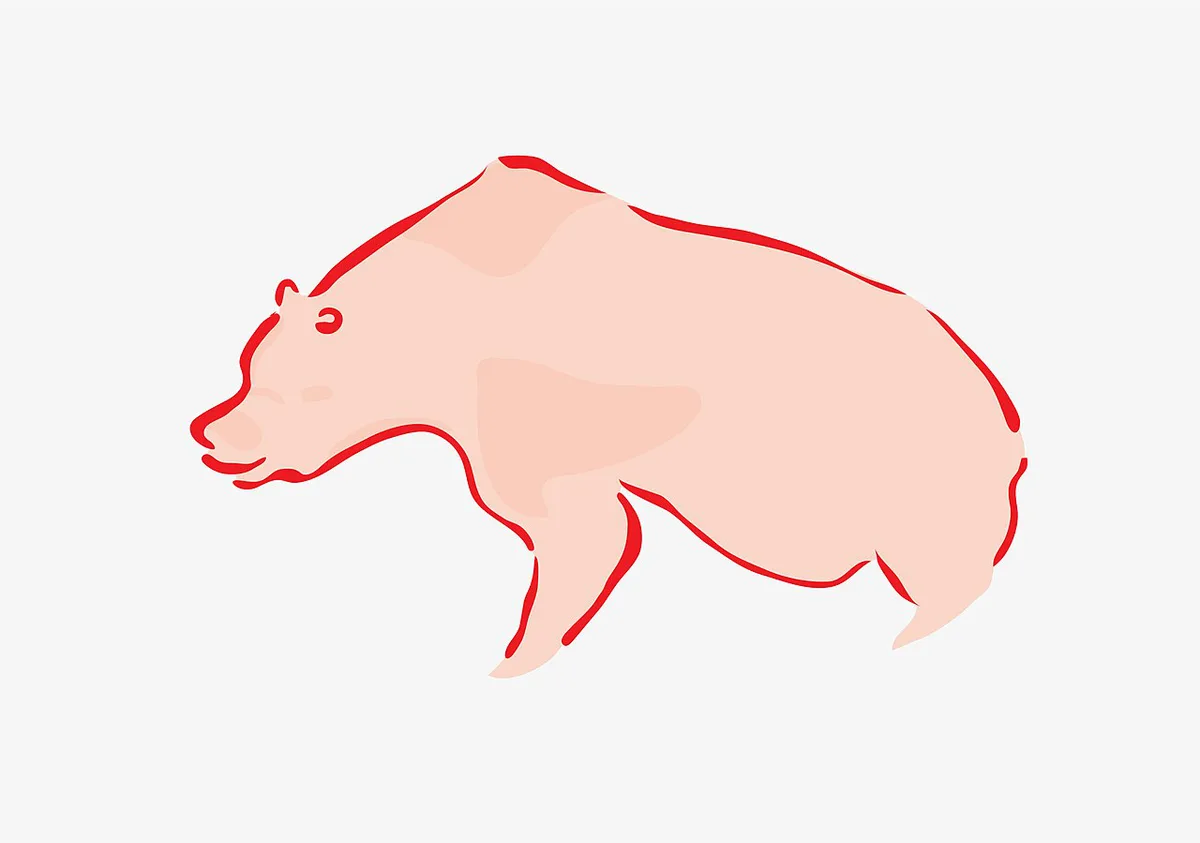
| Chauvet 2 | Ardèche | Replica | Lions, rhinoceroses and bears | Moderate to high | Photography, deep-time fans |
| Cosquer Méditerranée | Marseille | Replica | Paintings from an underwater cave | Moderate | City breaks |
| Cap Blanc | Dordogne | Original shelter | Carved horse frieze in rock | Moderate | Short-notice backup |
Original cave vs replica: what you are really seeing
Lascaux was discovered on September 12, 1940, by four teenagers near Montignac. Visitors came in large numbers, and by the 1950s white deposits and then green algae were spreading across the walls. Breath, heat and artificial light were the causes. The cave closed to the public in 1963 to protect the paintings.
Facsimiles followed. Lascaux II opened in 1983, about 200 m from the original. A replica is built from millimetre-level surveys of the real walls, then painted with natural pigments. You lose the real rock and the cold, damp air. You gain a complete view, stable lighting and access for people who could not manage a rough cave floor. For the full comparison, read our guide to Lascaux IV versus the original cave.
Lascaux, Lascaux IV and the Vézère Valley
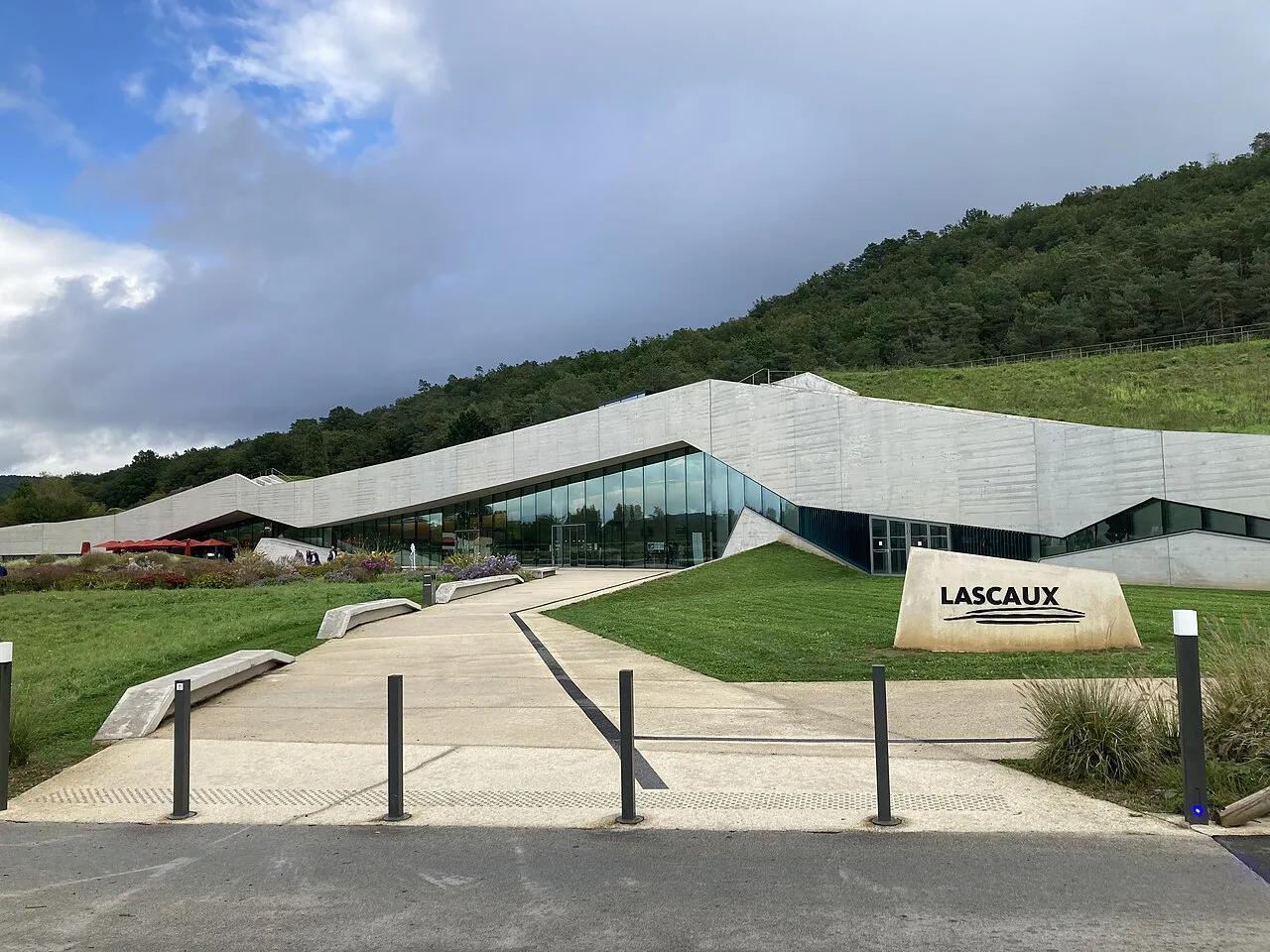
Lascaux IV in Montignac is the complete replica and the main visitor site today. One editorial source describes about 900 m² of facsimile walls, entered through a semi-buried building. The official Lascaux site lists current hours, languages and tickets.
The Hall of Bulls is the highlight, with aurochs reported at over 5 m long. Our Lascaux cave overview covers the history in more depth. Our Lascaux ticket guide explains how to book.
Montignac sits in the Vézère Valley, where the prehistoric sites cluster within a short drive of each other. Our Vézère Valley guide maps the area. Plan Lascaux IV alongside one original cave, so you see both the replica and the real rock.
Original paintings you can still visit
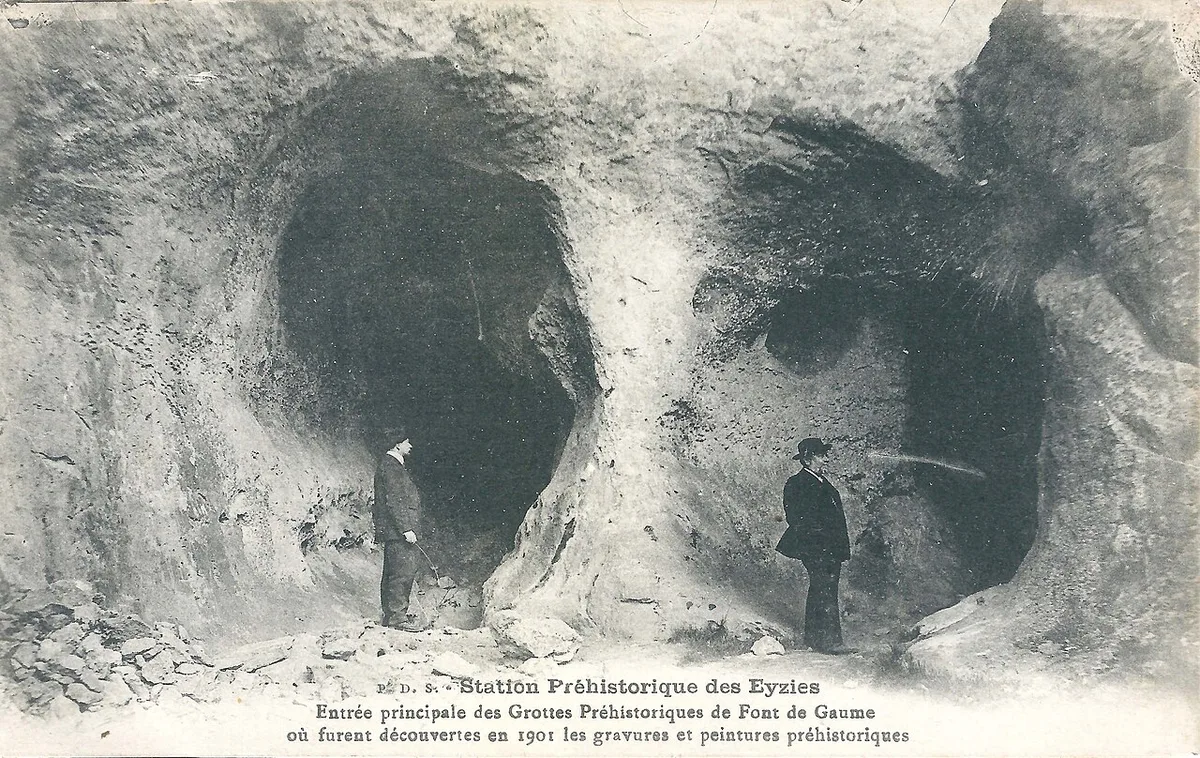
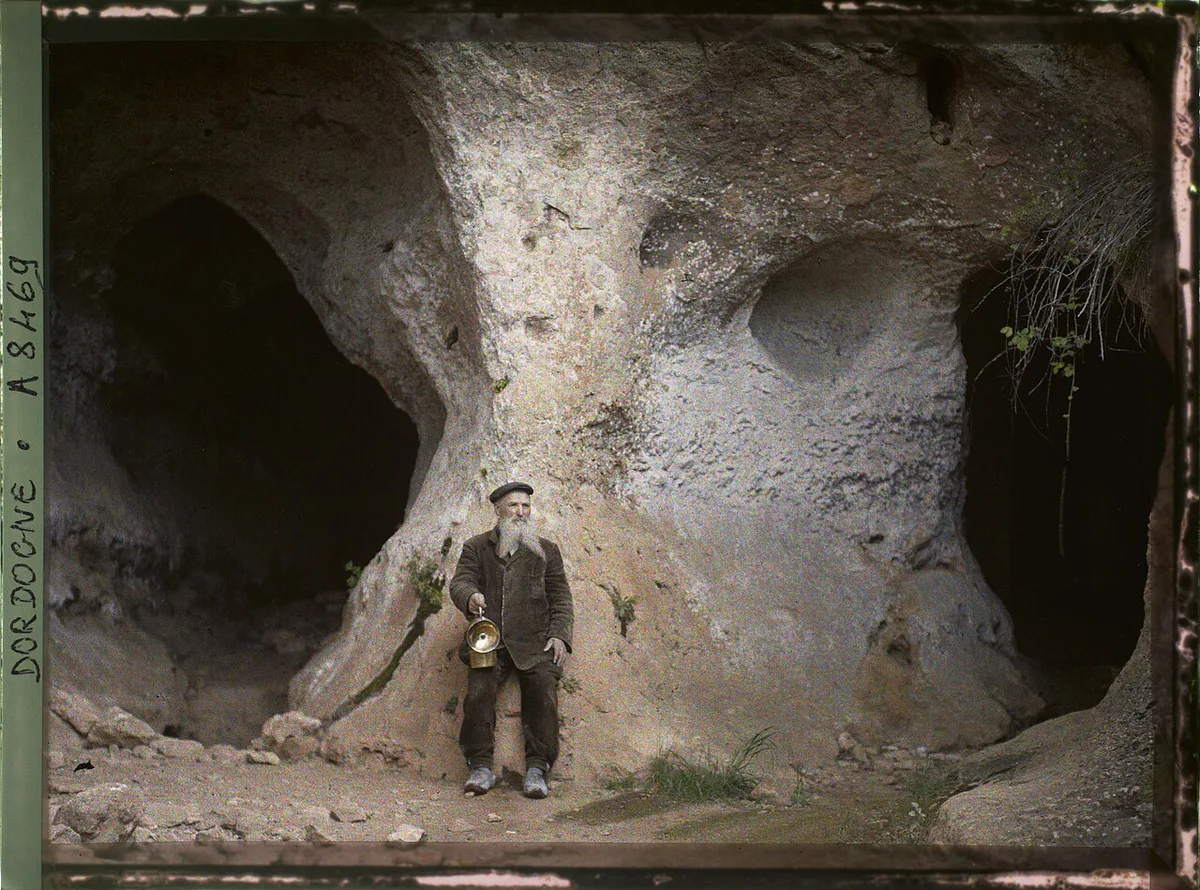
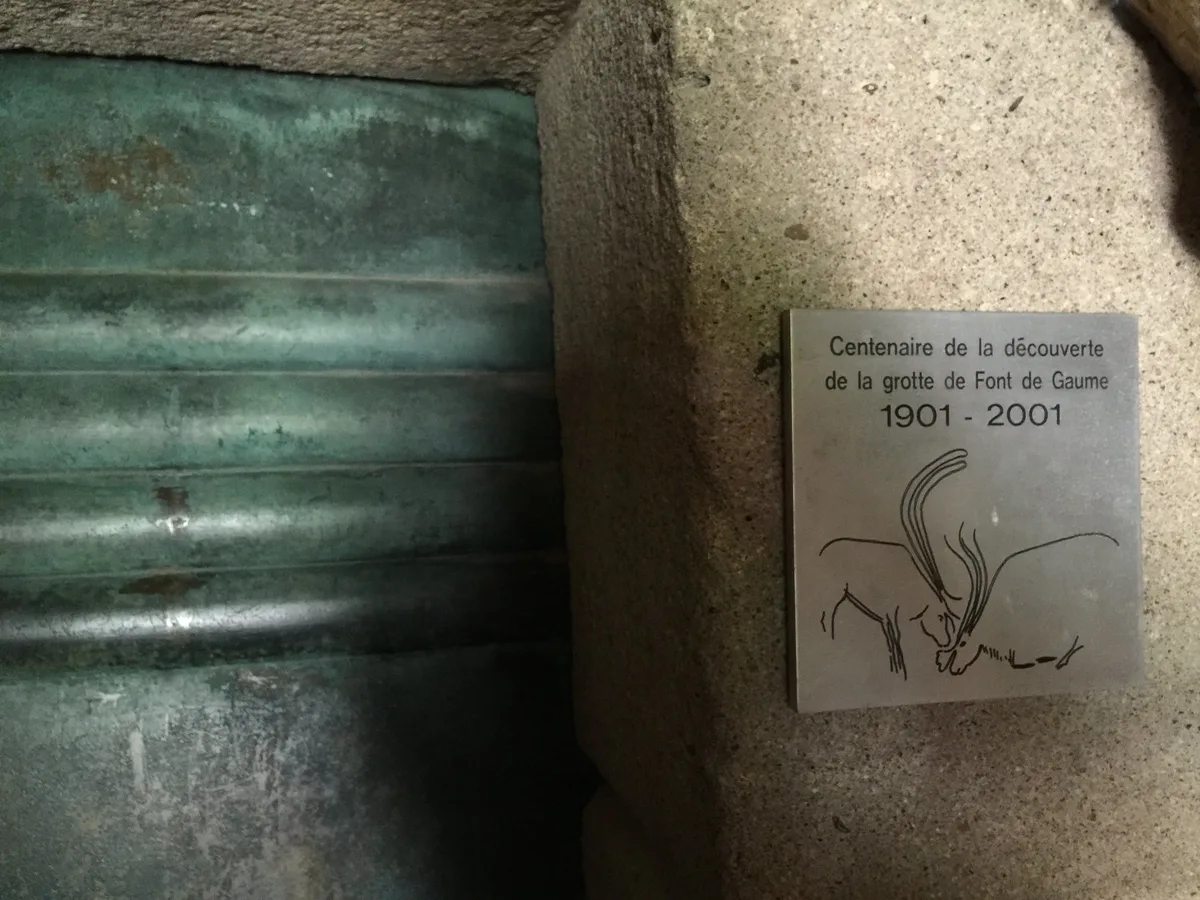
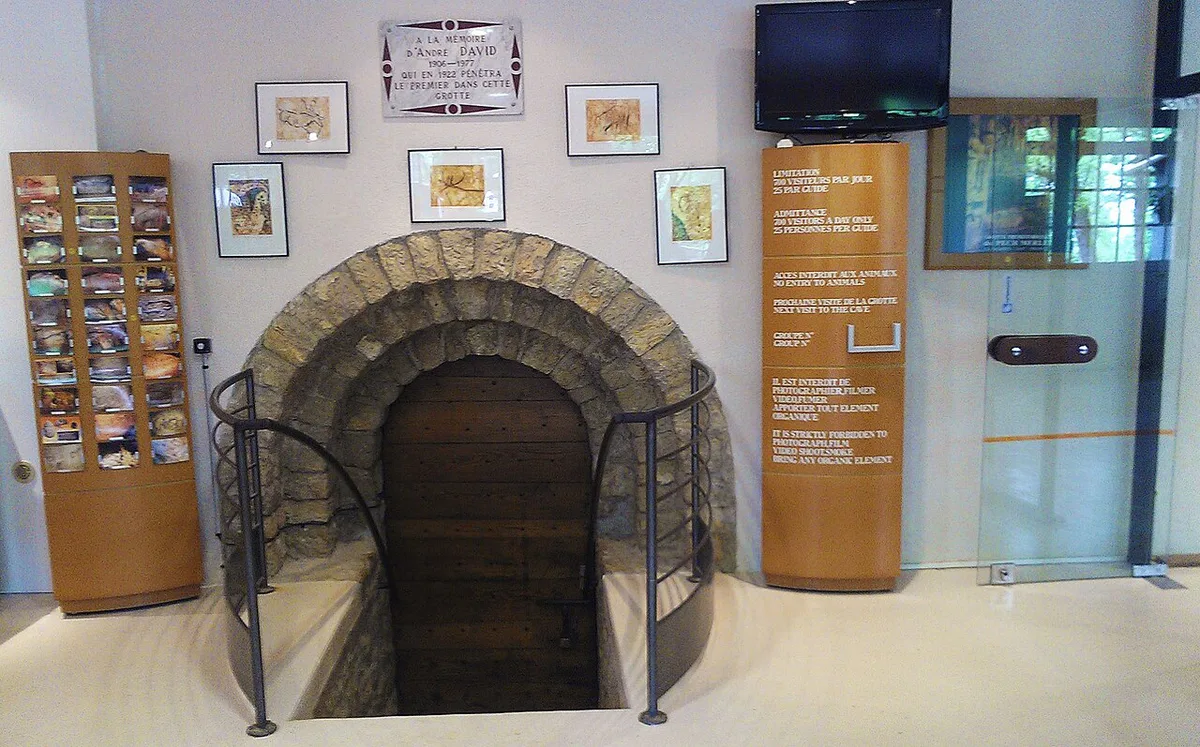
Font-de-Gaume near Les Eyzies holds original polychrome paintings, found in 1901. Visitor numbers are tightly limited, and it is run by the Centre des monuments nationaux. See Font-de-Gaume's original polychrome paintings for what to expect.
Rouffignac, known as the cave of a hundred mammoths, is reached by an electric train that runs through the galleries. The official Rouffignac site sets the tour format. Our Rouffignac mammoth cave guide adds the practical detail.
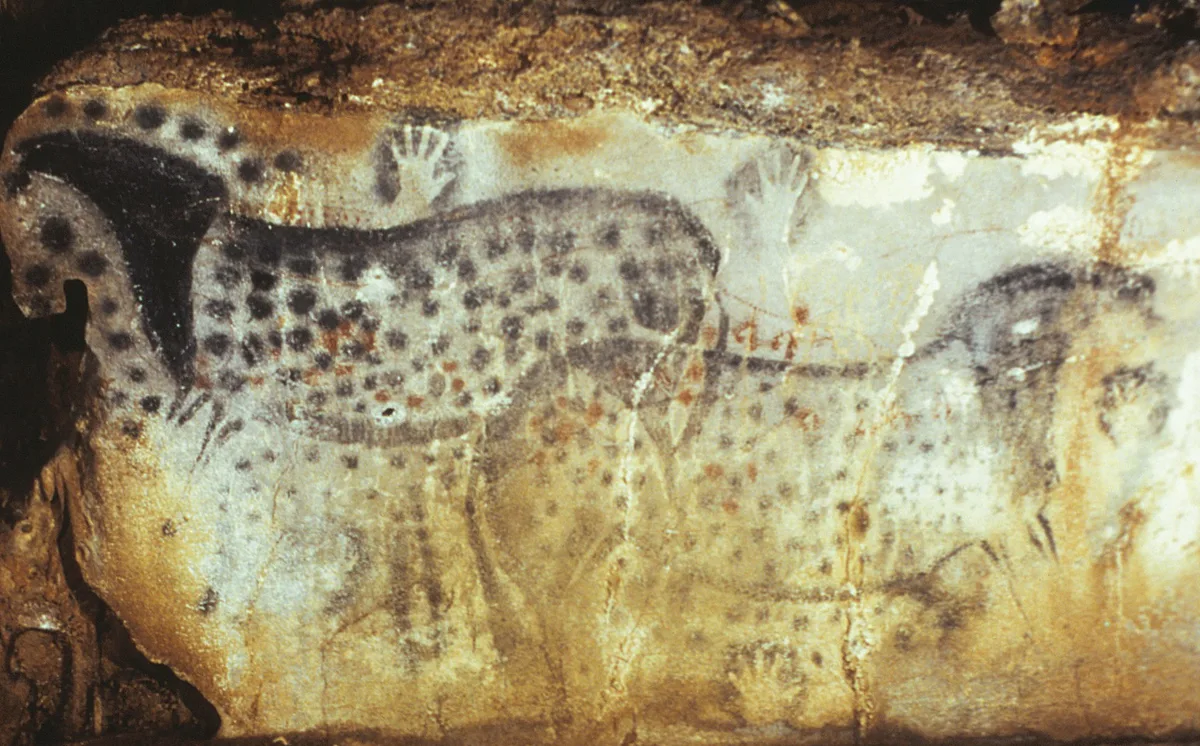
Farther afield, Pech Merle in the Lot has painted horses and hand outlines. Read about Pech Merle's spotted horses and handprints before you book. Niaux in the Ariège is known for the Black Room, a gallery of charcoal bison and ibex. Our Niaux Black Room guide covers the Pyrenees leg.
- Font-de-Gaume: original art, small groups, book early.
- Rouffignac: original engravings and drawings, seen from a train.
- Pech Merle: original paintings in the Lot.
- Niaux: original charcoal art in the Ariège.
Chauvet and Cosquer: the replica-only giants
Chauvet in the Ardèche was discovered in 1994 and added to the UNESCO World Heritage list in 2014. Its drawings are tens of thousands of years old, and age claims for cave art remain debated. The original stays sealed, and visitors go to the facsimile described on the Grotte Chauvet 2 site. Our Chauvet cave replica guide explains the visit.
Cosquer is near Marseille. One source reports paintings about 27,000 years old and an original entrance now 37 m below sea level, so the real cave is reachable only by diving. Visitors see the replica, described on the Cosquer Méditerranée site. Our Cosquer cave guide covers the visit.
Shelters and open-air prehistory beyond caves
If cave tickets are sold out, the Vézère Valley still has options. At Cap Blanc's carved horse frieze, animals are sculpted in relief into a rock shelter wall. Perched above the Vézère, Roque Saint-Christophe's cliff terraces show how people lived under overhangs.
The town of Les Eyzies Guide: Caves, Tickets & Visit Tips adds the National Museum of Prehistory. Together these sites suit children and rainy days, and none depends on a single timed cave slot.
How to choose: by traveller type
Match the cave to your group before you reserve anything. This list is our editorial view.
- First-timers: Lascaux IV, because the replica shows a whole cave in one visit.
- Families with children: Rouffignac's train, then Roque Saint-Christophe for open-air exploring.
- Limited mobility: replicas at Lascaux IV, Chauvet 2 and Cosquer, which avoid rough cave floors.
- Photography fans: replicas, since they tend to offer easier lighting, though rules differ at every site.
- Original-art seekers: Font-de-Gaume, Pech Merle and Niaux.
- Rainy-day backup: the National Museum of Prehistory in Les Eyzies.
Plan your route: time, transport and booking
Base yourself in or near Les Eyzies for two to three days. That covers Lascaux IV, Font-de-Gaume, Rouffignac and Cap Blanc without long transfers. Rural roads make a car the practical choice. Prices and hours should be checked on each official site before you book, as slots and languages change.
Chauvet, Pech Merle, Niaux and Cosquer each need a separate stop. They lie in the Ardèche, the Lot, the Ariège and Marseille respectively, far from the Dordogne cluster.
| Pairing | Verdict |
|---|---|
| Lascaux IV + Font-de-Gaume + Cap Blanc | Combine in one Dordogne trip |
| Rouffignac + Les Eyzies museum | Combine in one Dordogne trip |
| Dordogne + Chauvet | Separate trip |
| Dordogne + Pech Merle | Separate leg, by car |
| Niaux + Cosquer | Separate trips, far apart |
Mistakes to avoid
Do not assume one famous cave covers everything. Lascaux IV is a replica, and the original paintings are elsewhere. Do not leave booking late, because original caves such as Font-de-Gaume cap daily numbers. Pack a sweater, since caves stay cool year-round. Finally, do not treat a replica as a lesser visit. You gain full-cave views and easier access, even though you lose the original rock.
Lascaux closed to the public in 1963, so no ticket reaches the original walls, only Lascaux IV.
Frequently Asked Questions
What are the oldest cave paintings in France?
Chauvet in the Ardèche, found in 1994, is among the oldest decorated caves, with art tens of thousands of years old. UNESCO officials have declined to call it the oldest in the world, and dating remains debated.
Why can't you visit Lascaux cave?
The original Lascaux closed to the public in 1963 after visitors' breath and heat caused white deposits and algae on the walls. Today you visit the replica at Lascaux IV in Montignac.
Related guides
Continue reading
Guides on the same trip