Chesters Roman Fort: Visitor Guide, Bathhouse & Getting There
Last updated November 2026. Chesters Roman Fort (Cilurnum) is an English Heritage cavalry fort on the River Tyne at Chollerford, near Hexham, in Northumberland. It is known for a well-preserved riverside bathhouse and a museum of Roman finds. This guide covers what you will see, how to get there without a car, and how Chesters fits into a wider Hadrian's Wall trip.
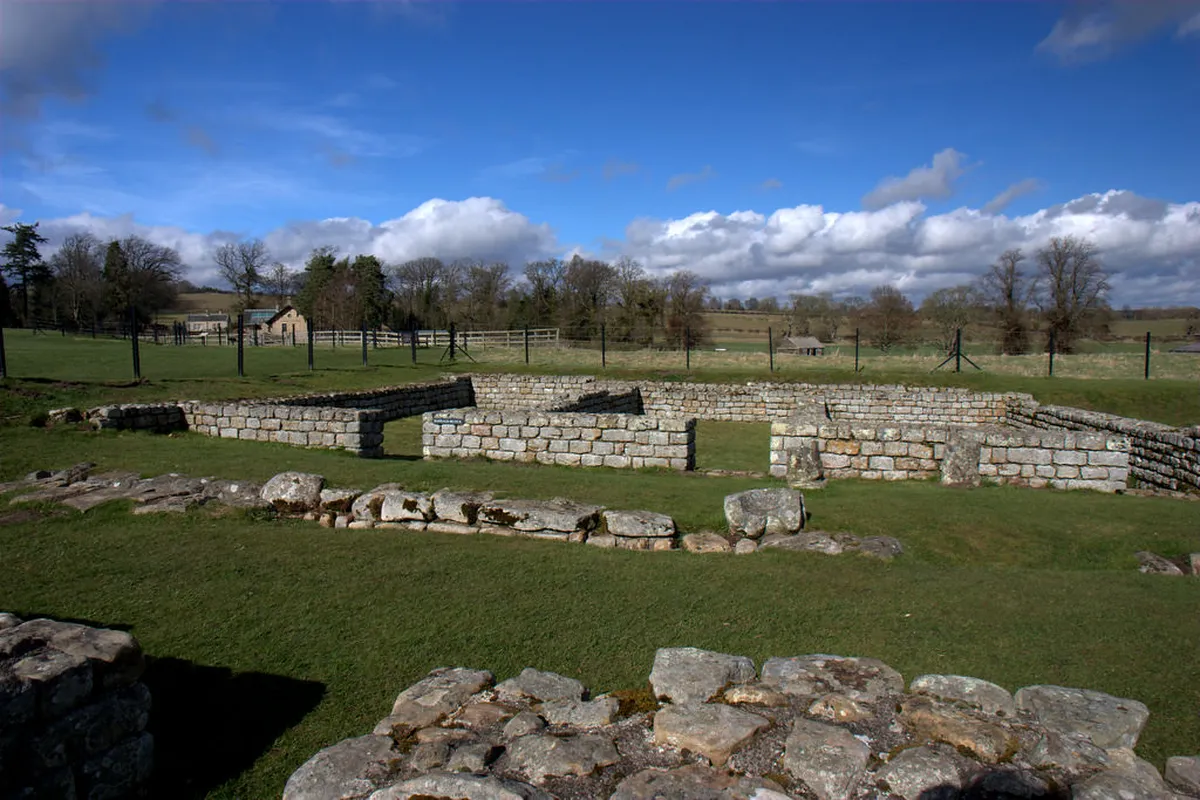
Featured image: yashima, CC BY-SA 2.0, via Flickr.
Chesters Roman Fort at a glance
Chesters sits at Chollerford, Hexham, NE46 4EU, and English Heritage looks after it. Its Roman name was Cilurnum. The fort once housed over 500 Roman troops, and it stood where the Wall crossed the Tyne. It suits you if you like quiet riverside ruins and a proper museum more than a dramatic ridge-top view. Housesteads is the better pick for that.
- Operator: English Heritage
- Location: Chollerford, near Hexham, Northumberland
- Roman name: Cilurnum
- Best for: the bathhouse, the museum and a low-key riverside visit
What to see at Chesters
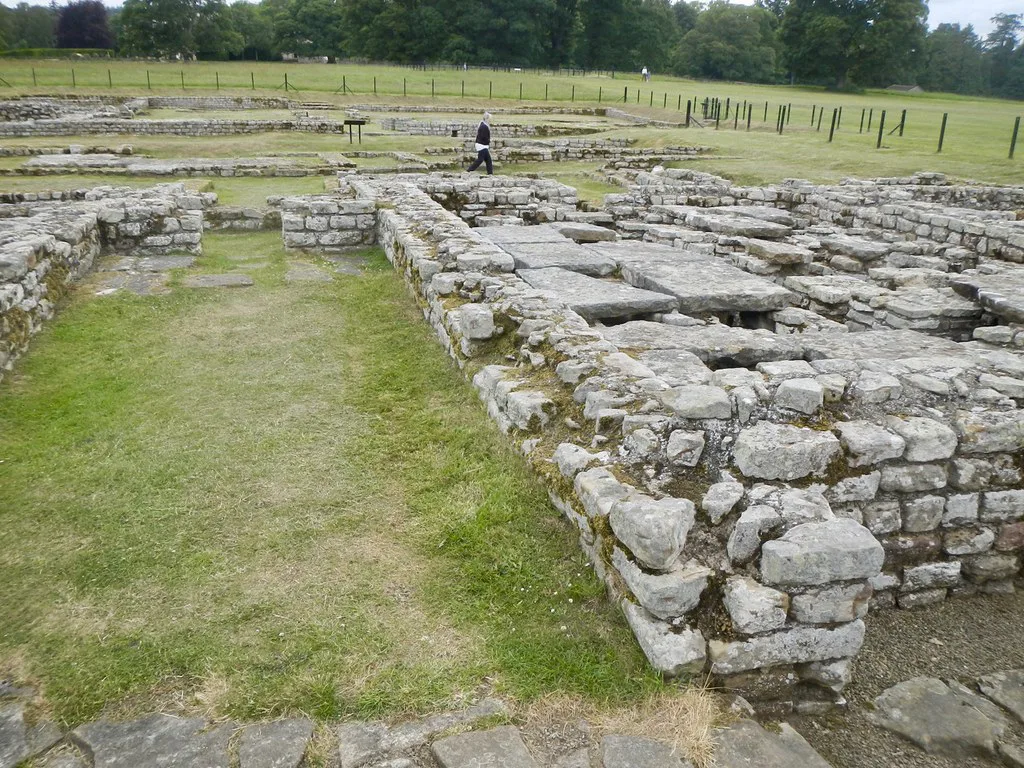
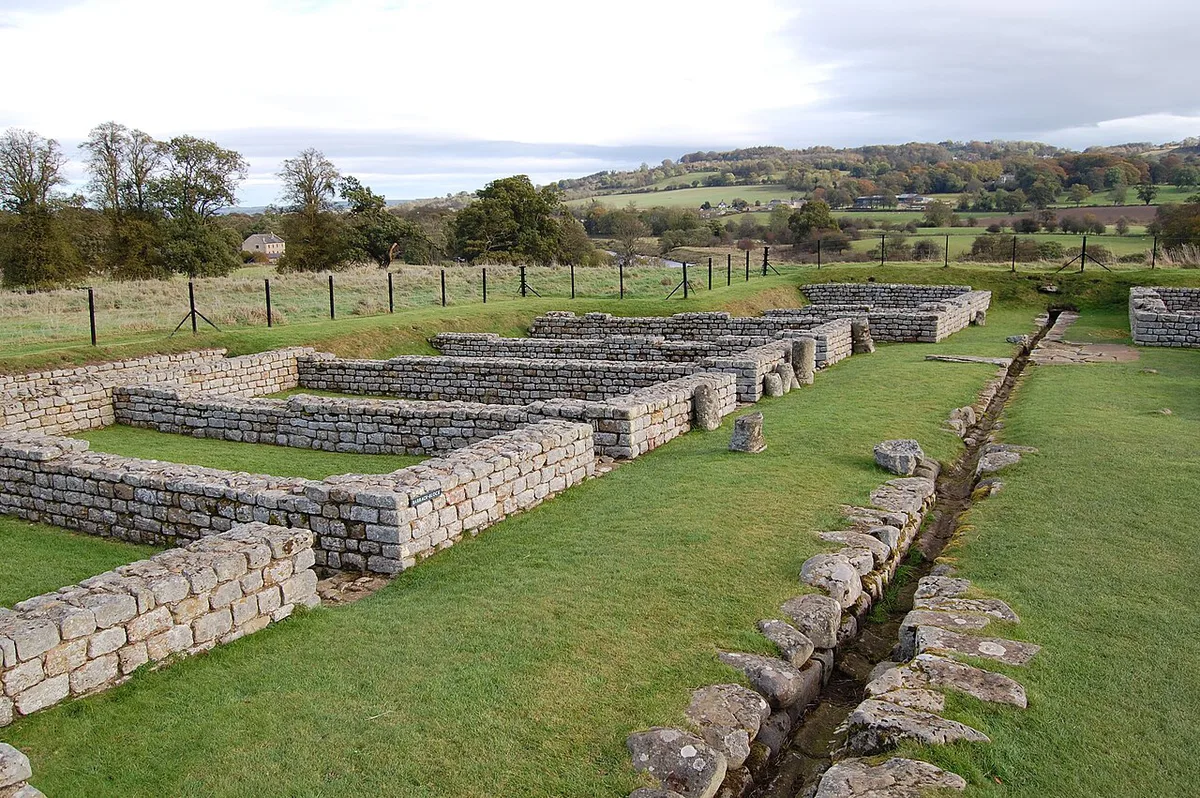
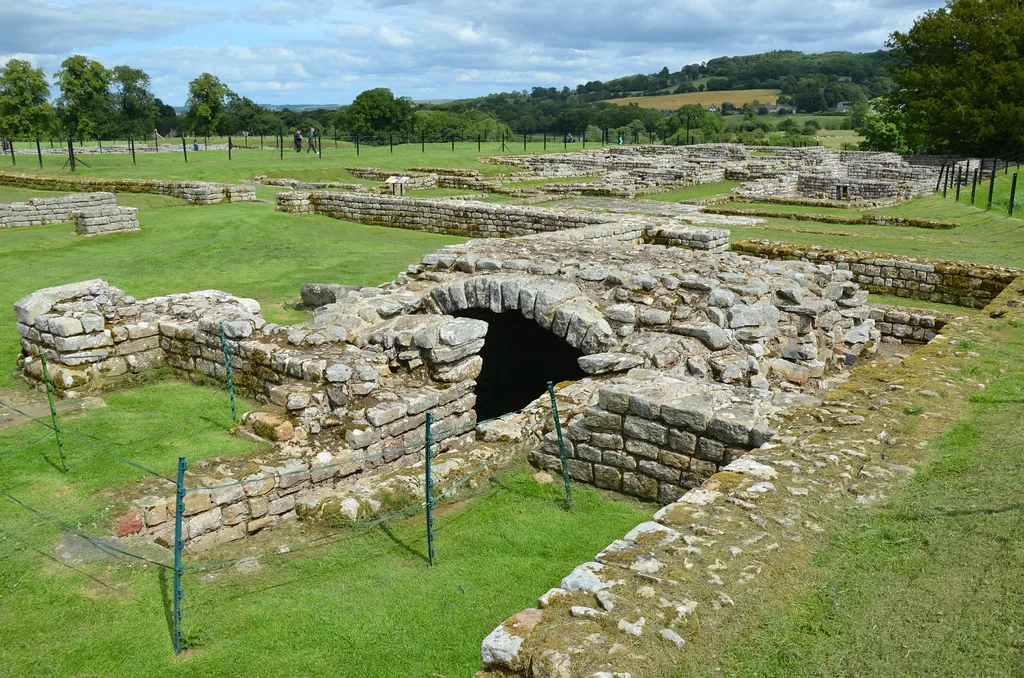
Unlike many forts, you cannot take in the whole outline at one glance. The remains are spread across the site, so expect to walk between them. A Roman fort follows a predictable plan, which makes the layout easy to read once you find the pieces. Start at the river, where the main bathhouse stands.
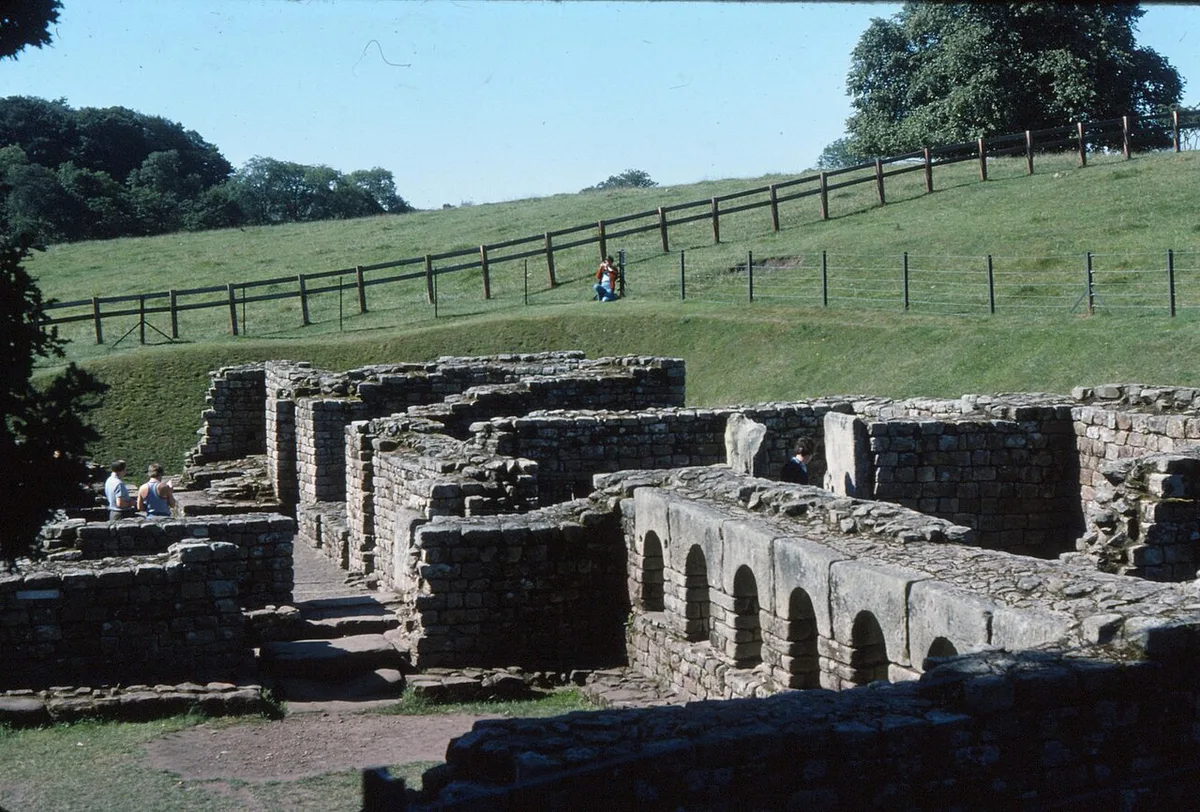
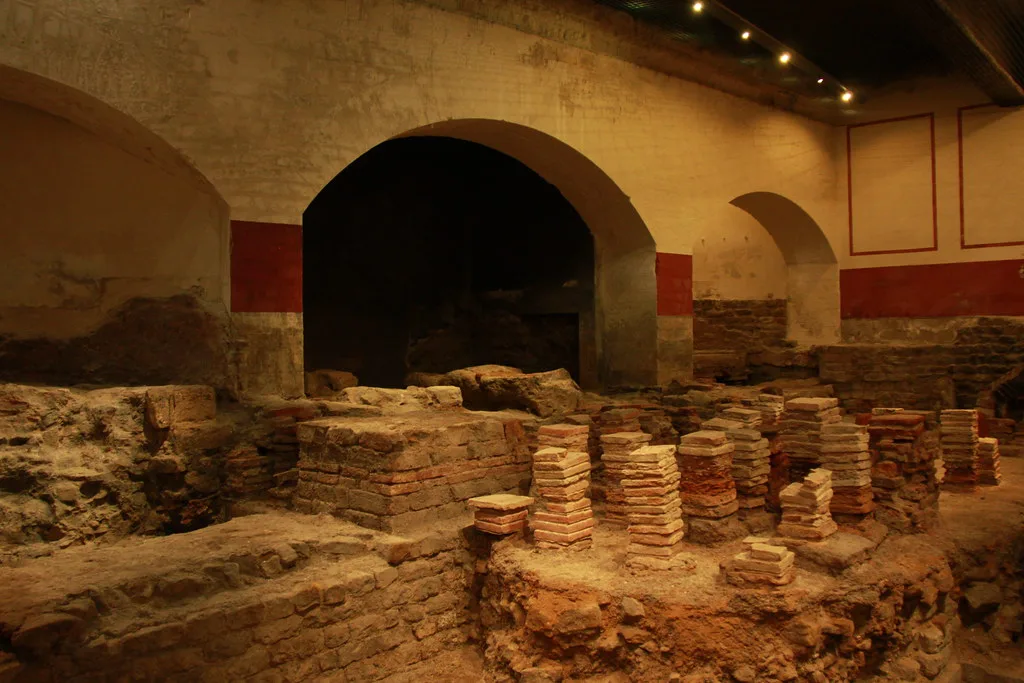
- Bathhouse: buried under silt for centuries, so the layout is unusually clear, including wall niches once used for storing clothes or holding statues.
- Headquarters building (principia) and the commanding officer's house.
- Barracks, North Gate and East Gate.
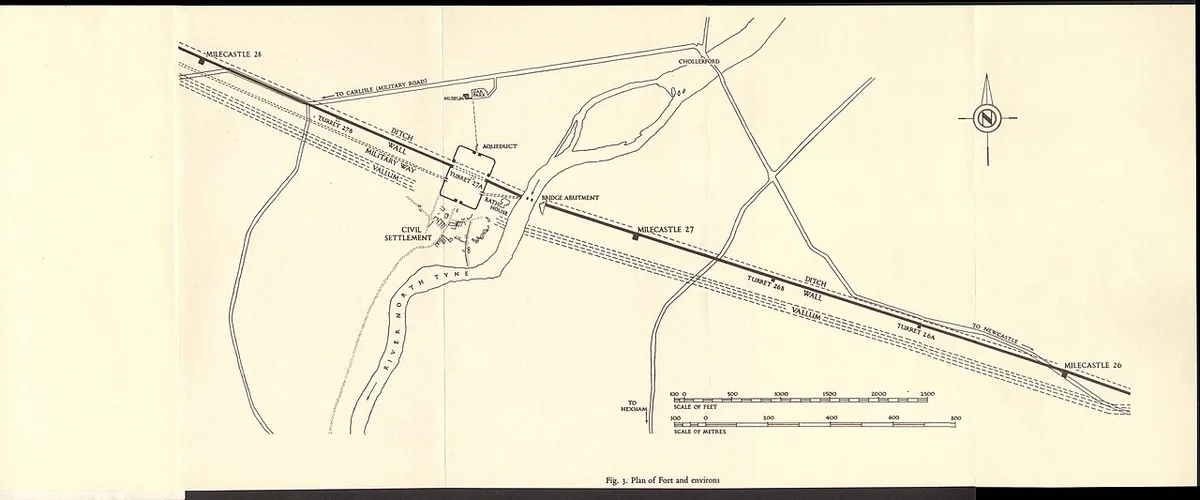
- Bridge abutment: the remains of a Tyne crossing on the east bank. Check access with English Heritage before planning around it.
- Museum: the Clayton Collection of Roman finds from the site, in a Victorian-style museum.
Is Chesters worth visiting?
Yes, if the bathhouse and the museum are your priorities. Skip it if you only have time for one dramatic stretch of Wall. In that case, Housesteads Roman Fort: Visitor Guide, Walk and Tips gives the ridge views. The table below sets Chesters against its neighbours.
| Site | Best for | Setting |
|---|---|---|
| Chesters | Bathhouse and the Clayton Collection museum | Riverside cavalry fort on the Tyne |
| Housesteads | Dramatic wall and ridge views | Exposed ridge-top fort |
| Vindolanda | Finds and writing tablets | Fort and settlement with ongoing excavation |
| Corbridge | A Roman town rather than a fort | Town site |
| Birdoswald | The western section of the Wall | Fort in the west |
| Sycamore Gap: What Happened & How to Visit Today | A landmark stop | Roadside walk on the Wall |
How to get to Chesters
By car, aim for Chollerford, Hexham, NE46 4EU. Without a car, take a train to Hexham, which has a station. From there, the AD122 Hadrian's Wall Country Bus serves the fort. Our Hadrian's Wall bus guide covers the route. Check the current timetable on the Hadrian's Wall Country site before you leave. Service can be seasonal, so a taxi from Hexham is the fallback.
Hexham is the car-free starting point, and the AD122 Hadrian's Wall Country Bus picks up from there. Check that timetable first, since service can be seasonal.
- From Newcastle: use our Newcastle to Hadrian's Wall route, then change at Hexham.
- From Carlisle: use our Carlisle to Hadrian's Wall route, then change at Hexham.
- Mistake to avoid: leaving the return bus to chance. Note the last departure back to Hexham before you walk round the site.
Tickets, opening times and what to book
Hours and prices change by season, and English Heritage is the only reliable source for them. Look at its Chesters Roman Fort and Museum page before you go. Members of English Heritage can usually enter without paying on the day, so check whether your membership covers the visit. Anyone else should compare pay-on-the-day with booking ahead.
How long to spend and how to combine it
Allow enough time for the bathhouse, the scattered fort remains and the museum, and add more if you want to linger by the river. For a quick stop, see the bathhouse and head on. For a half-day, add the museum and the gates. For a full Wall day, pair Chesters with Housesteads, Vindolanda or Corbridge. Our best places to see on Hadrian's Wall list helps you choose. Use the Hadrian's Wall map to check distances between stops. If you prefer a guide to drive, see Hadrian's Wall tours.
A short history
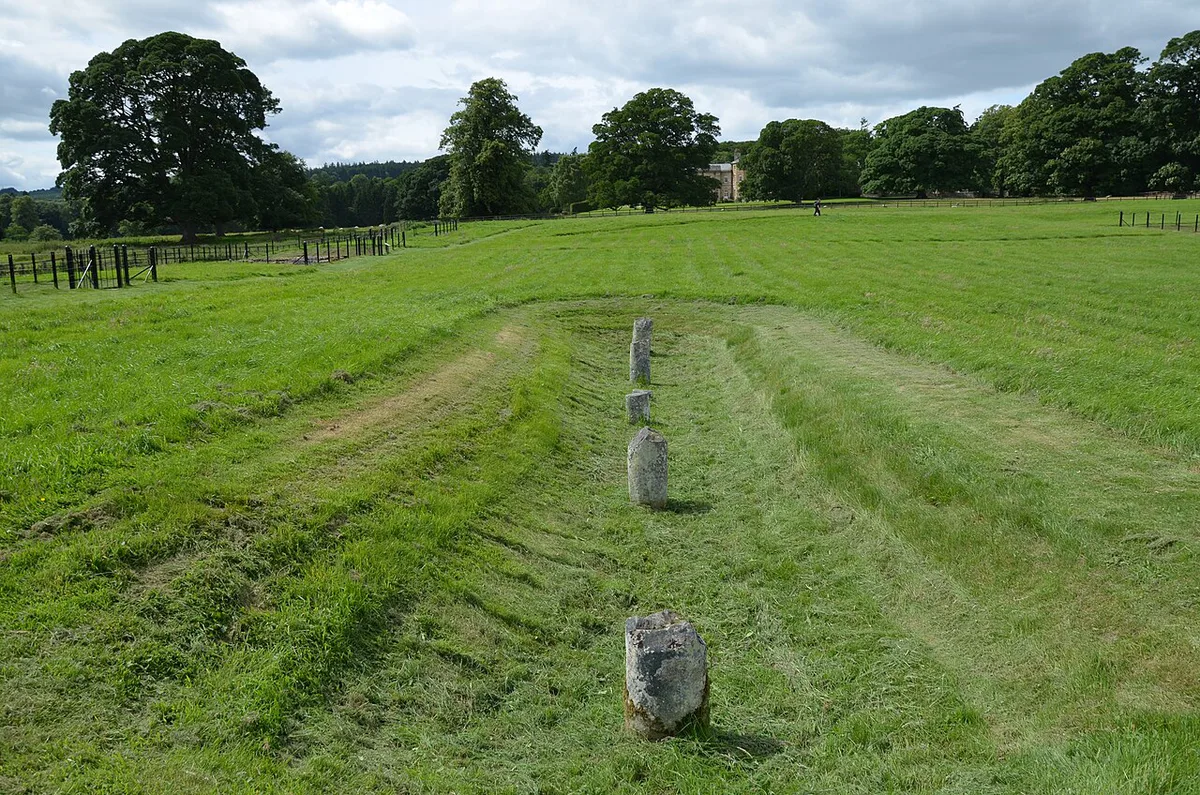
The fort went up on the Tyne's west bank around AD 124, when a turret on the Wall was demolished to make way for it. A cavalry unit of about 500 men was stationed here first. By AD 138 the 1st Cohort of Dalmatians was in place. About 40 years later the Second Asturians, a cavalry unit from northern Spain, rebuilt the barracks, and a civilian settlement grew outside the walls. For the wider story, read why Hadrian's Wall was built. In 1796 Nathaniel Clayton bought the estate, and in 1832 his son John, a lawyer and Town Clerk of Newcastle, took it over. John Clayton's finds form the museum collection.
In 1796 Nathaniel Clayton bought the estate, and the museum's Clayton Collection traces back to his son John.
Accessibility, facilities and practical tips
Most of the site is outdoors beside the river, so wear waterproof footwear and expect uneven ground and grass. Rain is a real planning issue, since the museum is the main indoor space. English Heritage lists step-free access, parking, toilets, café details and its dog policy on its visit page. Walkers on the Hadrian's Wall Path National Trail can reach Chesters on foot, so it works as a stop on a longer walk.
Related guides
Continue reading
Guides on the same trip