Why Was Hadrian's Wall Built? The Real Reasons (and Where to See Them)
Last updated November 2026: why was Hadrian's Wall built? Emperor Hadrian ordered it after visiting Britain in AD 122, to mark and control Rome's northern frontier. Historians weigh several purposes, and our Hadrian's Wall visitor guide shows where each one is visible today.
Featured image: Son of Groucho, CC BY 2.0, via Flickr.
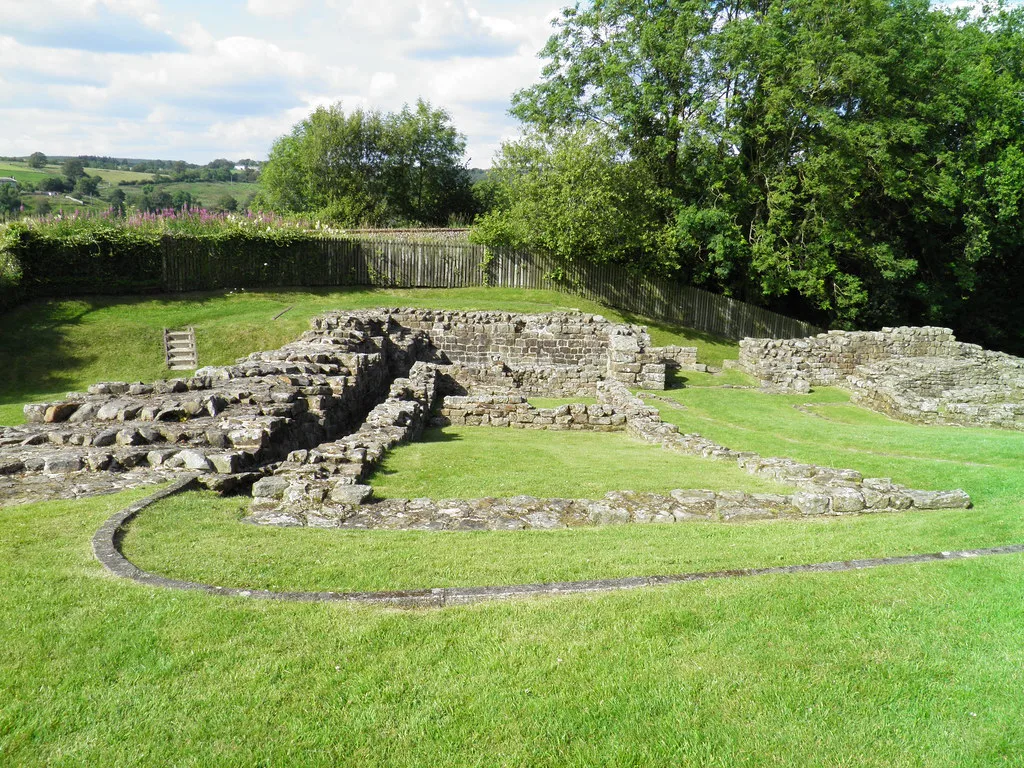
Why was Hadrian's Wall built? The short answer
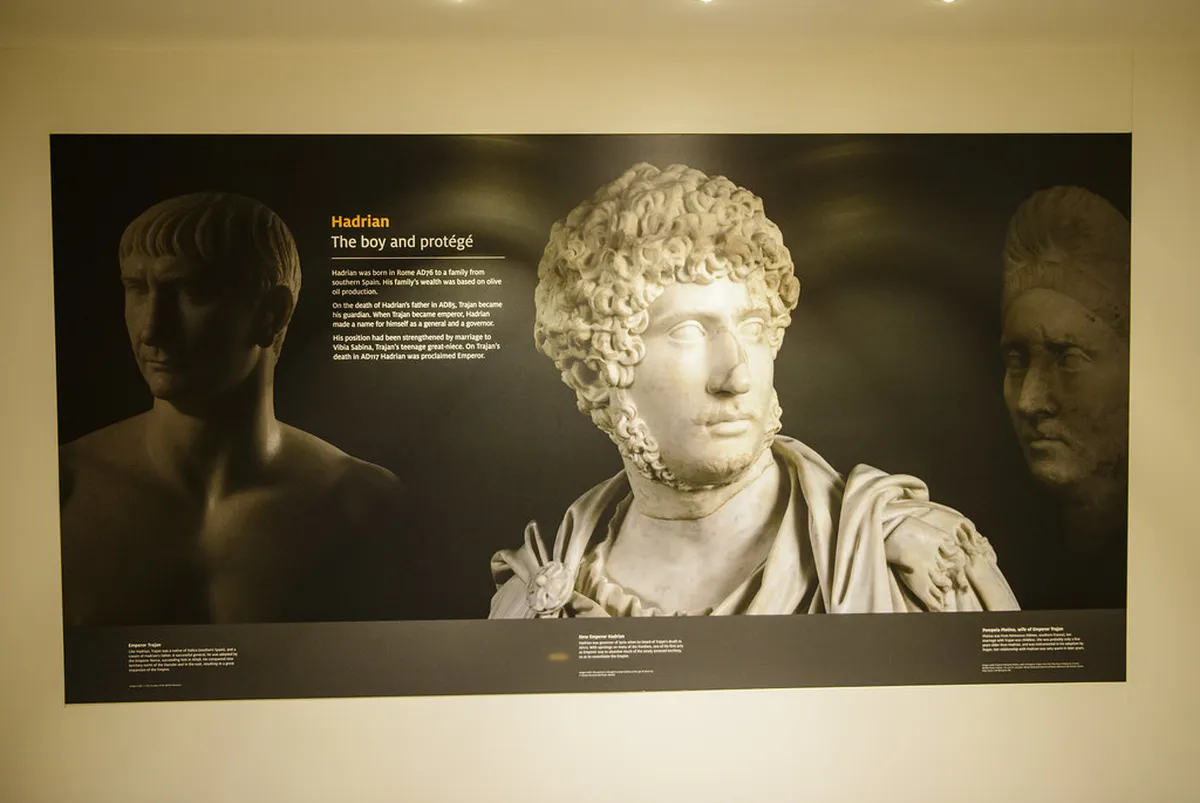
Hadrian visited Britain in AD 122, and work on the frontier began then, as English Heritage and the British Museum describe. Rome used the wall to mark the limit of its province. Soldiers also used it to control who crossed the line. No single motive explains it, so each reason below is attributed and the debated ones are flagged.
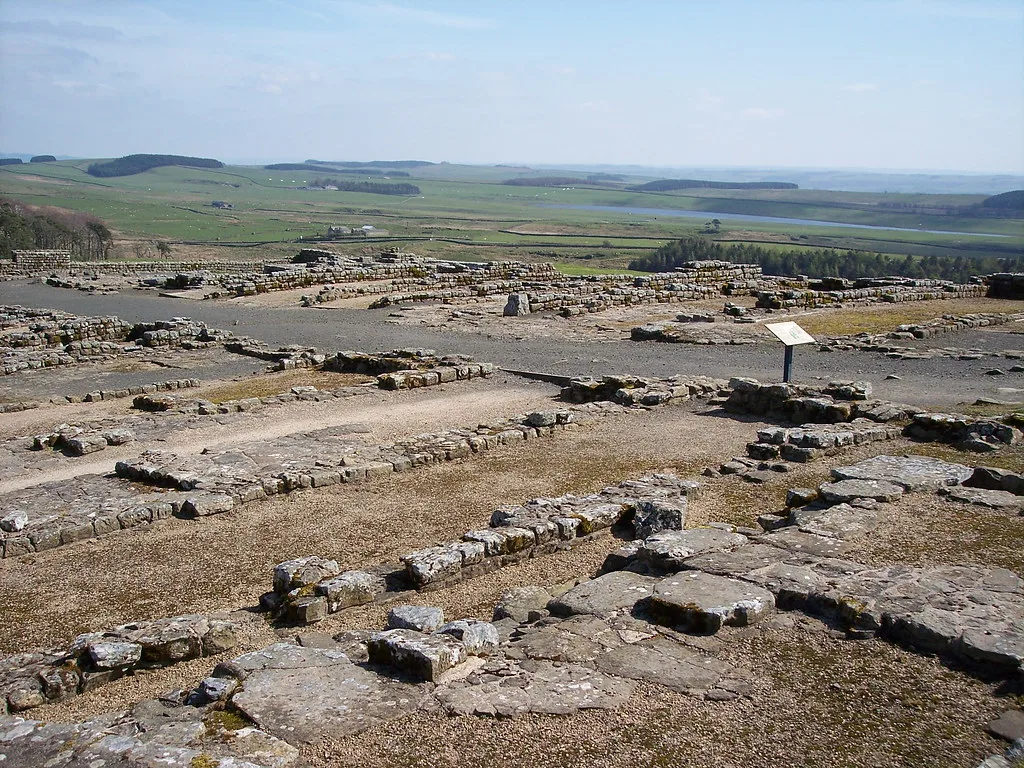
Roman Britain before the wall
Rome invaded Britain in AD 43 and pushed north for decades. By Hadrian's reign the empire had largely stopped expanding in this direction. Historians link the wall to his policy of consolidating the empire rather than conquering more. A road and chain of forts known as the Stanegate already ran across the Tyne–Solway line, and the wall was built just north of it.
The main reasons historians give
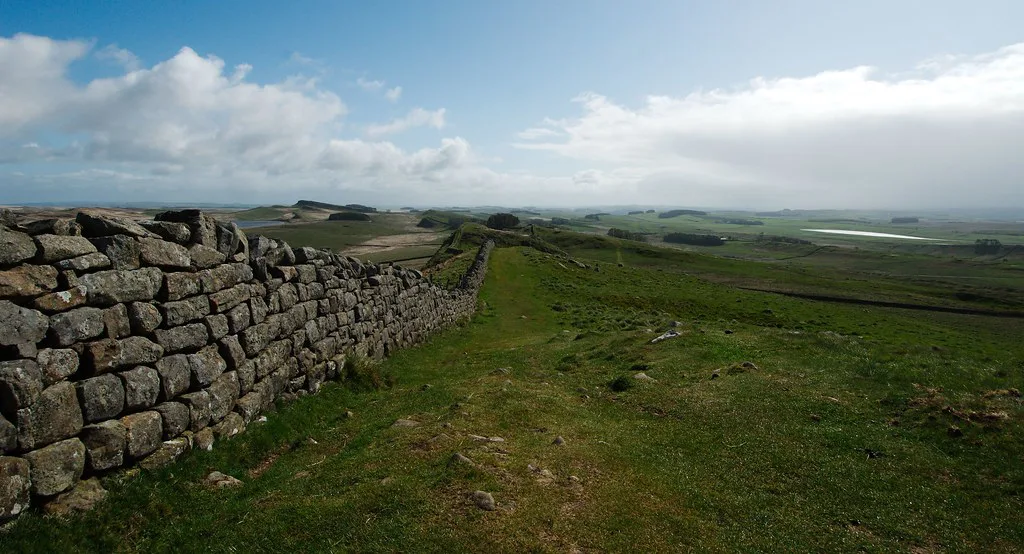
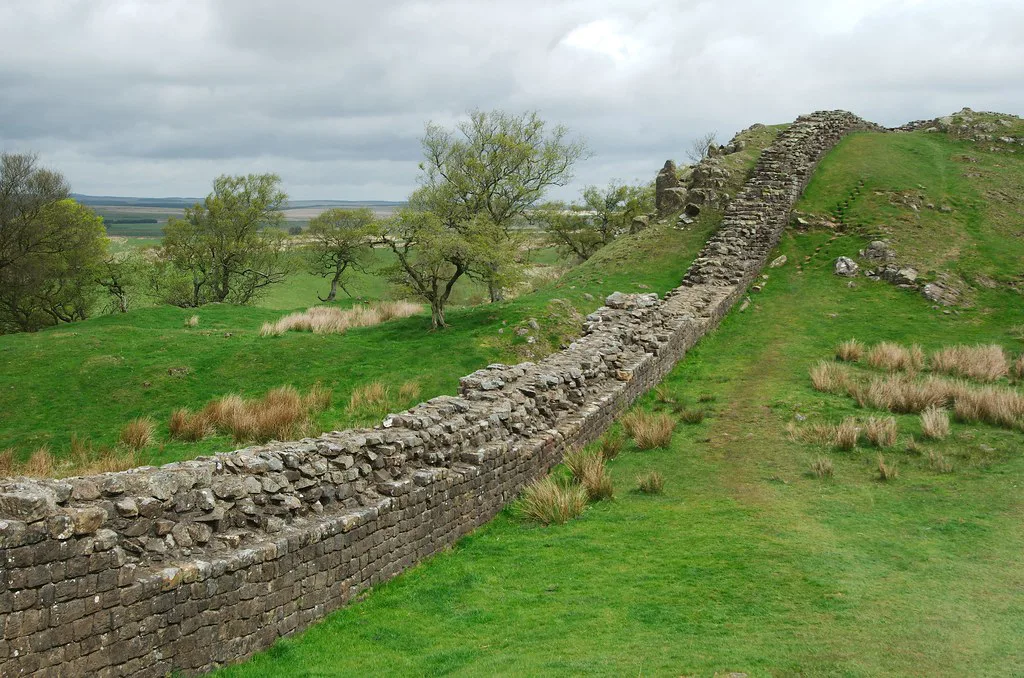
Scholars generally treat the wall as serving several purposes at once. Here are the five most often argued.
- Fixing a boundary: the wall marked where the province ended and signalled that expansion had stopped under Hadrian.
- Controlling movement: gateways let soldiers monitor people, trade and customs crossing the line, not only repel armies.
- Showing power: a stone barrier running coast to coast displayed Roman authority to people on both sides.
- Organising the army: building and garrisoning the frontier gave soldiers work and a clear chain of command.
- Answering northern unrest: raiding or trouble in the north may have prompted it, but the evidence for this is debated.
What ancient writers and inscriptions say about the wall
Most of what we know about Hadrian's motives is inferred, because Roman writers said very little. The best-known statement comes from the Historia Augusta, a late Roman biography collection. Its life of Hadrian says he went to Britain and was the first to build a wall of 80 miles to separate the Romans from the barbarians. Those are Roman miles, which are shorter than modern ones, so the figure matches the roughly 73 miles (117 km) measured today.
Historians treat that line with caution for two reasons:
- The Historia Augusta was written long after Hadrian's death, and its reliability is much debated.
- "Separate" can mean a military barrier, a customs line or a statement of power. The sentence does not say which.
Physical evidence is firmer. Building inscriptions found along the line name army units that worked on particular stretches. Such stones, along with the writing tablets from Vindolanda, show a frontier that was organised, supplied and administered, not just a defensive barrier. They support the multi-purpose reading in the section above better than any single ancient quotation does.
To see inscribed stones and everyday finds for yourself, the museums at the main forts hold most of them. A guided option such as Hadrian's Wall tours usually explains the evidence on site.
How the design served those reasons
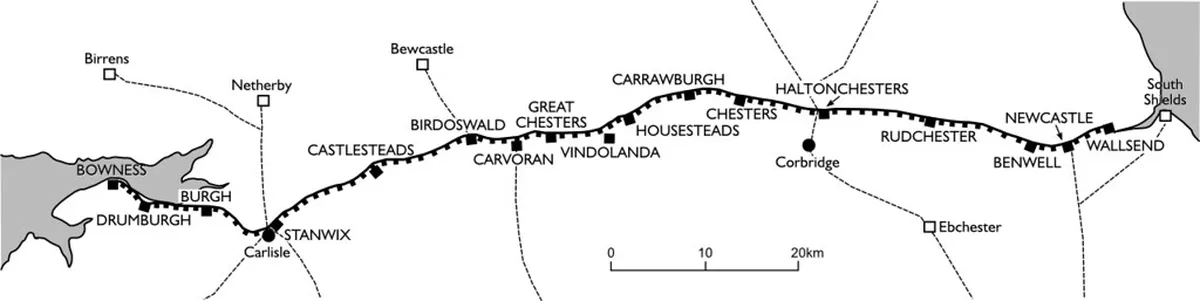
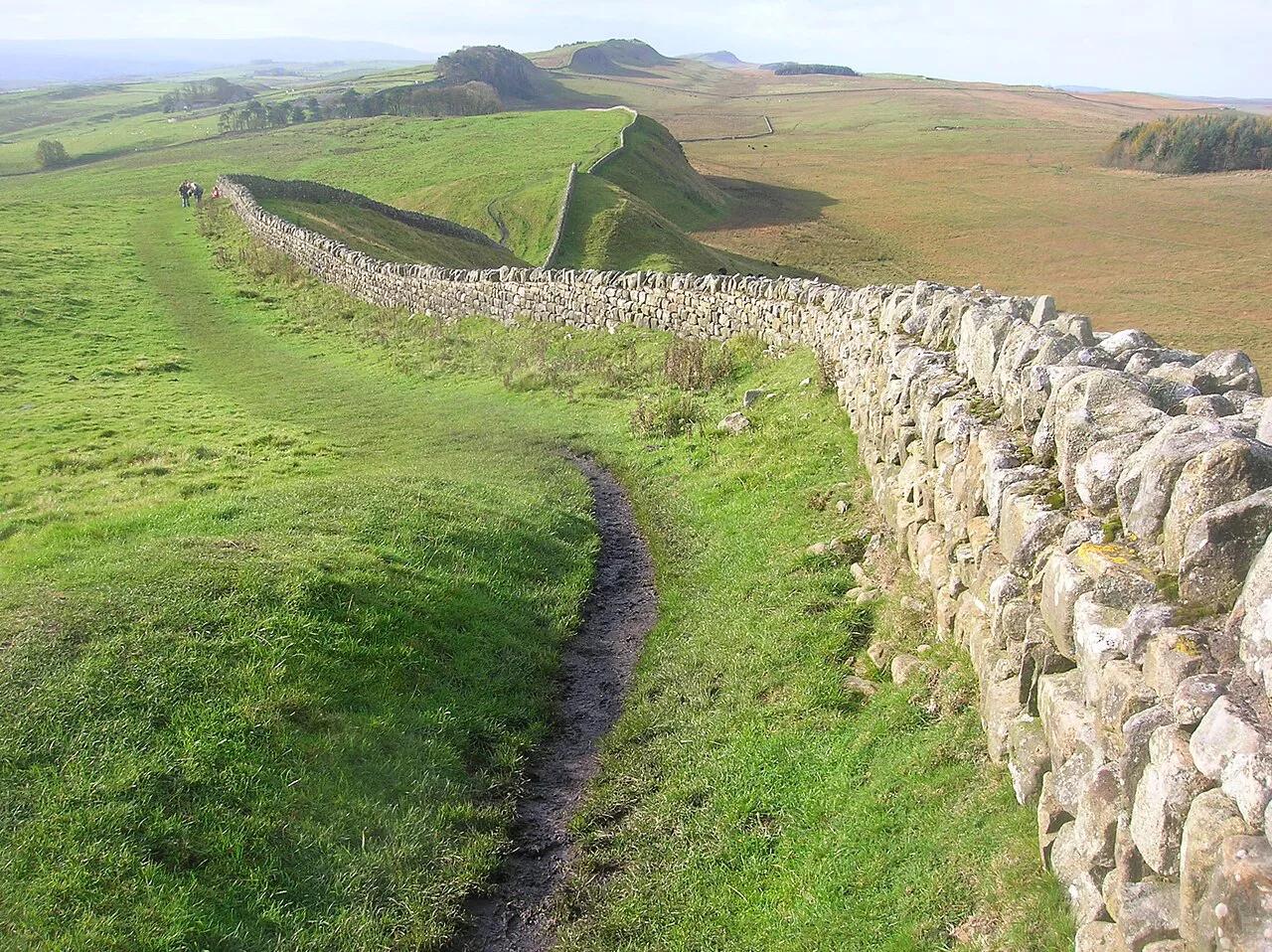
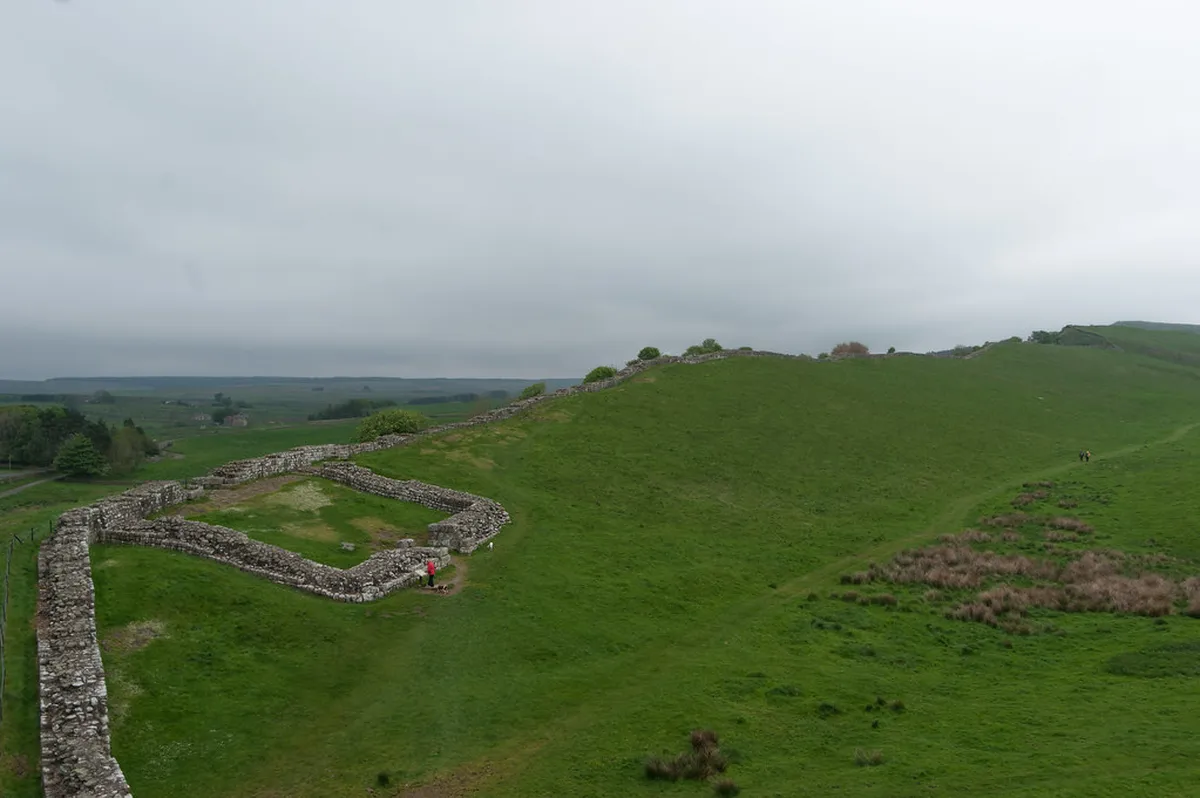
The wall runs about 73 miles (117 km) from Wallsend in the east to Bowness-on-Solway in the west. Along it stood 80 milecastles, small fortlets that worked as gateways. Turrets, normally two per Roman mile and so around 160 in total, held lookouts. Each feature maps onto a purpose.
| Feature | What it was | Purpose it served |
|---|---|---|
| Wall | Continuous stone and turf barrier | Marked the boundary and made crossing visible |
| Milecastles | Small fortlets set about a Roman mile apart | Gateways for controlling movement and trade |
| Turrets | Lookout towers between milecastles | Observation and signalling |
| Vallum | Ditch with mounds behind the wall | Marked a controlled zone on the Roman side |
| Forts | Garrison bases added along the line | Housing the army and projecting force |
| Stanegate | Earlier road and forts to the south | Supply and communication route |
Why that line? Geography and logistics
Hadrian's engineers chose the Tyne–Solway line, the narrowest part of the island. The existing Stanegate road already gave them supply routes and forts to build from. Builders used local stone and turf, and the design changed during construction. That is why a claim that it went up in six years oversimplifies. Soldiers of the Roman army did much of the work.
Engineers chose the narrowest part of the island, and the 73 miles (117 km) line sat just north of the existing Stanegate road.
Who built the wall: legions, auxiliaries and the work gangs
Construction was a military project. Three legions of the Roman army in Britain are generally credited with the main building work: the Second Augusta, the Sixth Victrix and the Twentieth Valeria Victrix. Legionaries were the skilled workforce, quarrying stone, cutting it, burning lime for mortar and laying the courses. Inscribed stones record the units responsible for individual sections.
Once the barrier stood, a different part of the army took over. Auxiliary units, recruited from provinces across the empire, garrisoned the forts and milecastles. This is why finds along the wall show a mix of origins and languages, not only Italian ones.
| Group | Role |
|---|---|
| Legions | Built the wall, ditches and many early structures |
| Auxiliary units | Garrisoned the forts, patrolled and watched the gateways |
| Local labour and suppliers | Supplied stone, timber, food and transport to the line |
The scale of the effort links back to the army-organisation motive. Keeping thousands of soldiers busy and supplied on a fixed line gave the province a clear military structure. The wall's early phases were changed as the work went on, which is another reason a single build date or duration is misleading.
If you want to follow the line from the eastern end, Hadrian's Wall from Newcastle covers how to reach the first sites.
What changed later
Rome later pushed north again and built the Antonine Wall: What to See & How to Visit in Scotland. The army eventually returned to Hadrian's line as its main frontier. After Roman rule ended, local people reused the stone for later buildings. Hadrian's Wall became part of a UNESCO World Heritage Site in 1987.
Myths and mistakes to avoid
Several popular claims do not survive a close look.
Britain was invaded in AD 43, but the wall dates from Hadrian's visit in AD 122. Don't treat the two as one event.
- It does not follow the England–Scotland border; it lies well inside modern England.
- It did not simply keep the Scots out, since gateways show it also managed crossings.
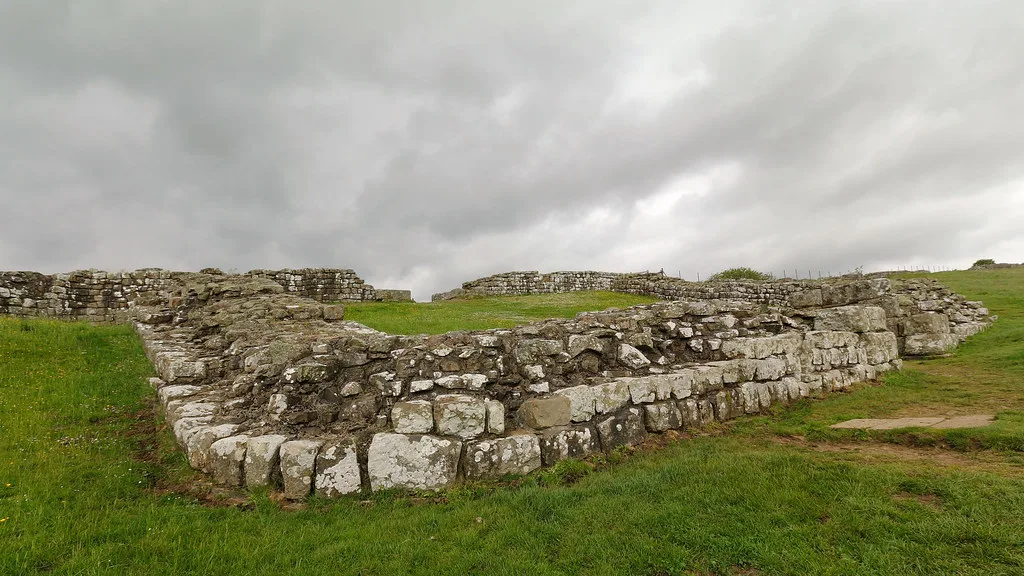
- It was not one uniform wall, because the design changed as work progressed.
- It was not built in a neat six years; treat that figure as a simplification.
- It was not impenetrable, and its garrisons relied on patrols and gateways rather than walls alone.
See the reasons for yourself
Start with the Hadrian's Wall map to plan the line. Walkers can follow the Hadrian's Wall Path National Trail along the route. The Vindolanda Trust explains garrison life through its writing tablets. For a short visit, pick one eastern, one central and one western site.
| Purpose | Where to see it | Best for |
|---|---|---|
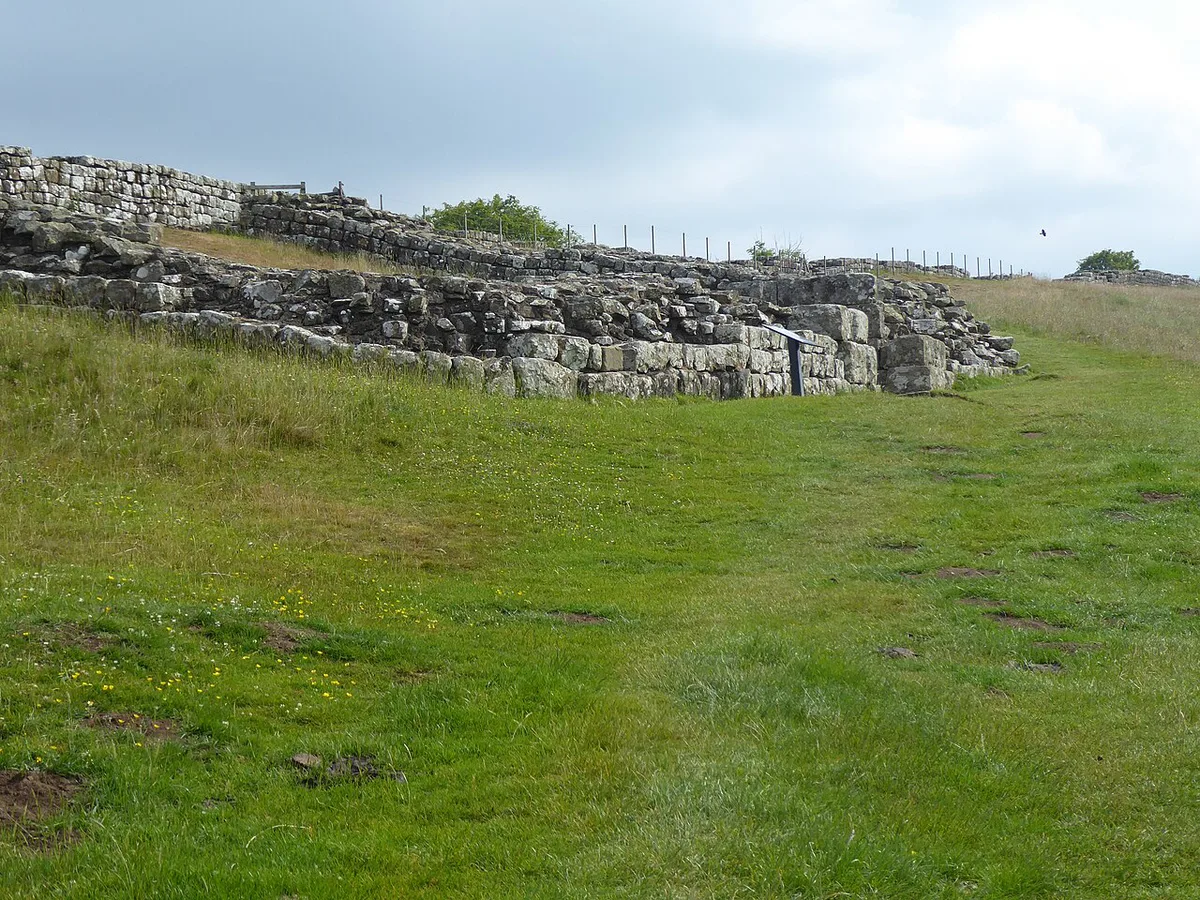
| Boundary and frontier idea | Sycamore Gap: What Happened & How to Visit Today and the best wall viewpoints | Landscape views |
| Garrison life | Housesteads Roman Fort: Visitor Guide, Walk and Tips | Seeing a fort layout |
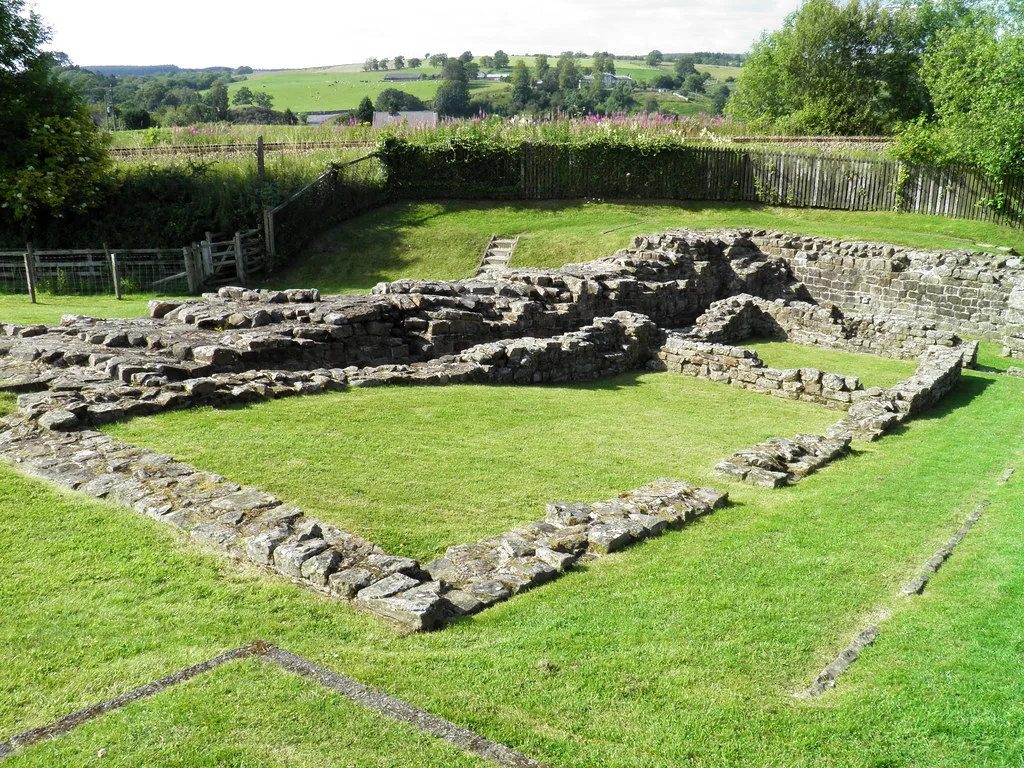
| Gateways and control | Chesters Roman Fort: Visitor Guide, Bathhouse & Getting There | Bridge and bathhouse remains |
| Western frontier | Birdoswald Roman Fort: Visitor Guide to Banna | Quieter stretches |
| Army and civil life | Roman Army Museum, Greenhead: Visitor Guide to Tickets, Hours & Vindolanda and Corbridge Roman Town: What to See & How to Visit | Context behind the frontier |
| Eastern end | Segedunum at Wallsend | Short on time |
Frequently Asked Questions
When was Hadrian's Wall built and how long did it take?
Work began after Hadrian's visit to Britain in AD 122. Construction took years, and the design changed along the way, so a single build time is a simplification.
Related guides
Continue reading
Guides on the same trip