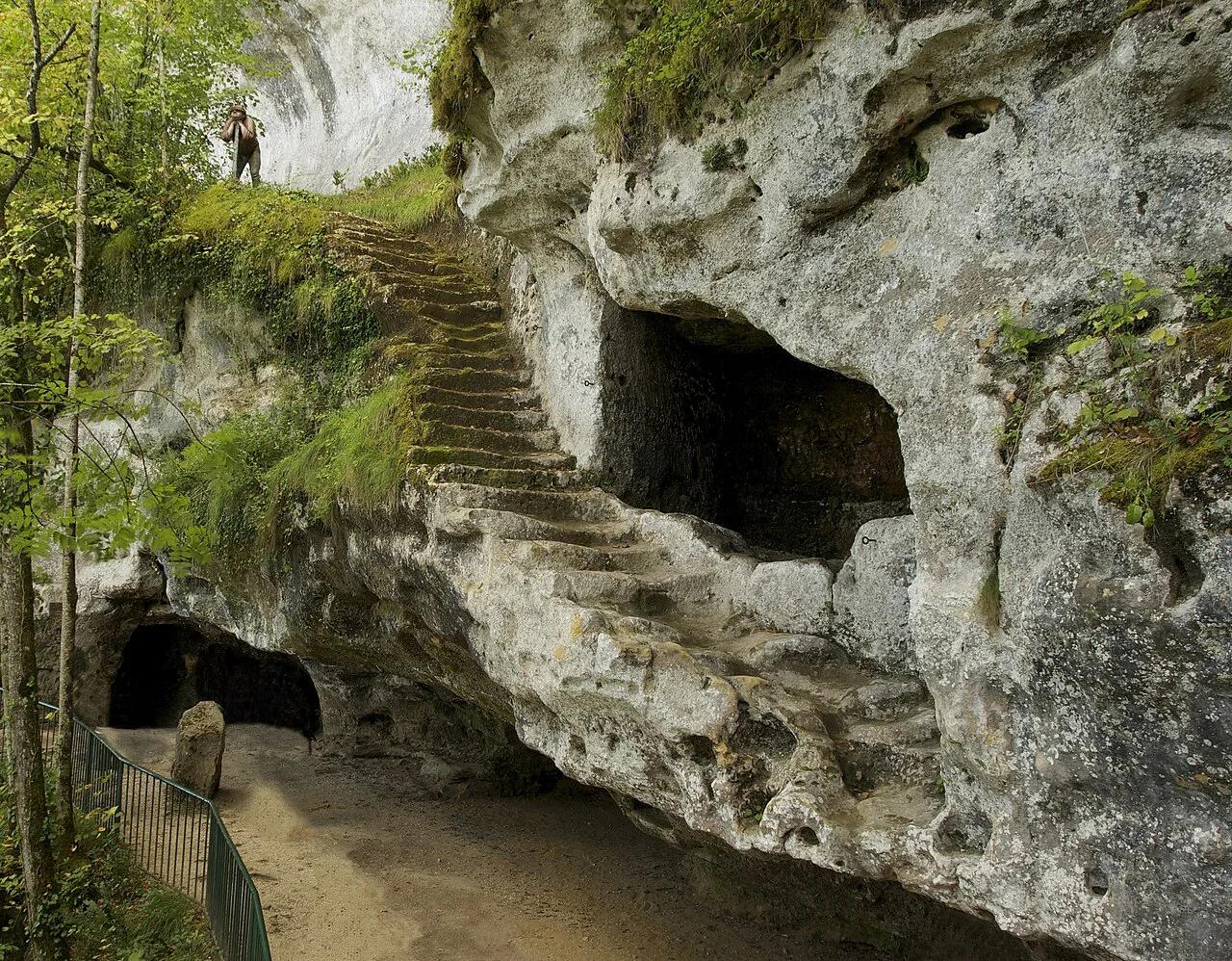
Last updated November 2026: La Roque Saint-Christophe is a long limestone cliff terrace above the Vézère at Peyzac-le-Moustier, lined with rock shelters that people occupied from prehistory into the Middle Ages. It is an open-air cliff settlement, not a painted cave, so it suits travelers who want habitation history rather than Palaeolithic art. Below you will find who should go, how long to plan, and how it fits into the wider Vézère Valley.
Featured image: Jebulon, CC0, via Wikimedia Commons.
What La Roque Saint-Christophe is (and isn't)
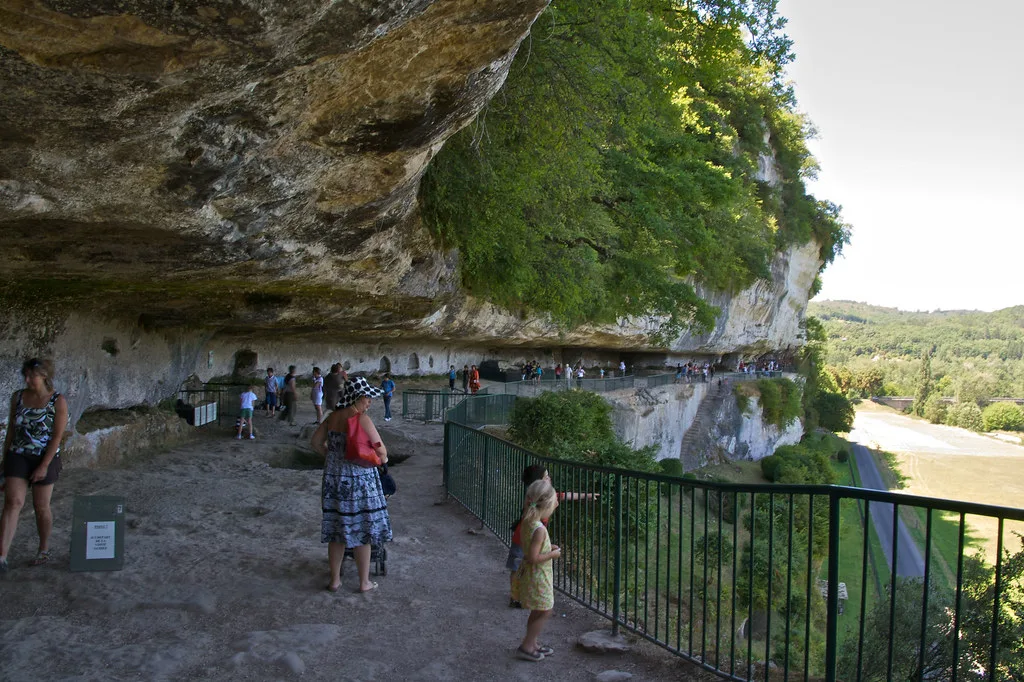
Searches for Roque St Christophe or La Roque St. Christophe lead to the same place. It runs roughly a kilometre (about 0.6 miles) along the cliff above the river. Its terraces and shelters served as homes and later as a fortified medieval settlement. Painted caves are a different experience. For actual Ice Age art, start with our guide to cave paintings in France.
Is it worth visiting? Who it suits
Put it on your list if you enjoy walking outdoors and layered history. Here is a quick verdict by traveler type.
- Cave-art-only travelers: skip it and spend the time at Font-de-Gaume instead.
- Families with children: usually a good fit, since kids can roam the terraces, but keep hands close near cliff edges.
- Limited mobility: expect steps and uneven cliff terraces, and ask the site about access before you go.
- Rainy days: the rock overhang gives partial cover, but stone surfaces turn slippery.
- Only one Vézère day: use it as a half-day anchor beside Les Eyzies.
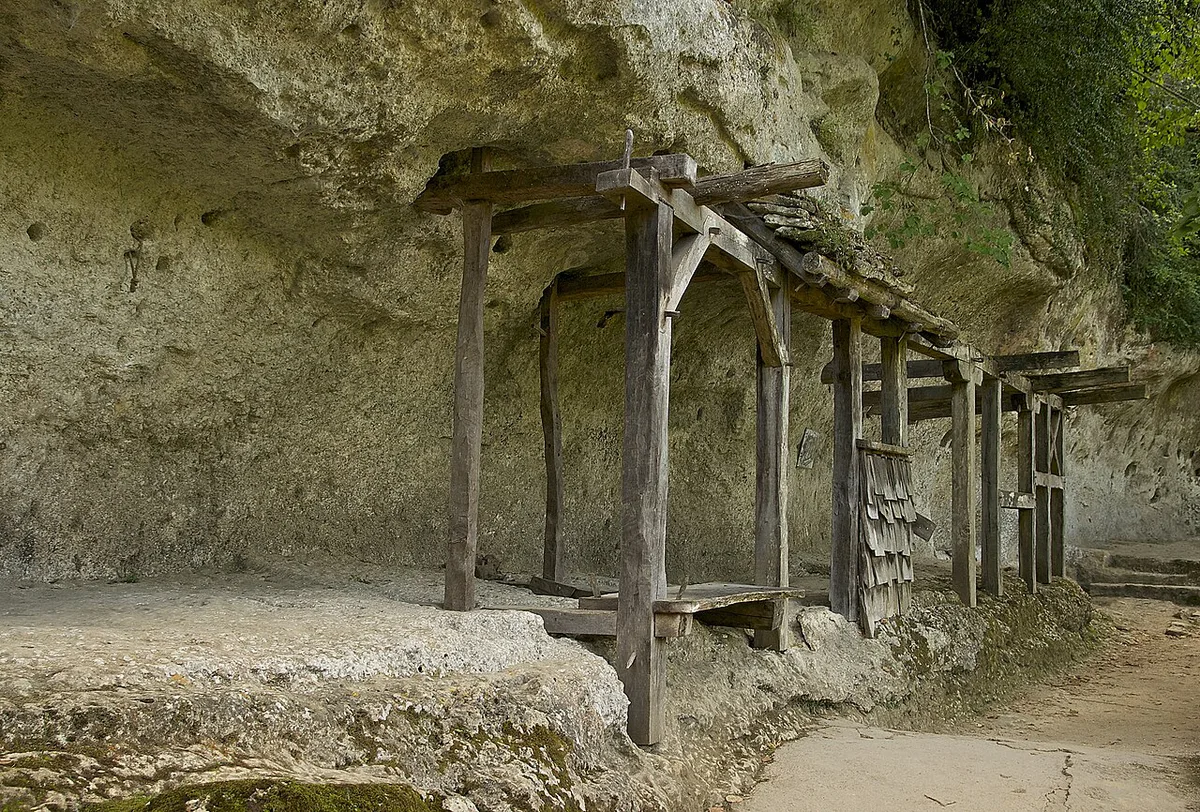
What to expect on site
Expect stone steps, uneven terraces and open drops along the cliff edge. Wear shoes with real grip, because smooth soles are a poor match for worn stone. The overhang offers shade and some rain cover, though not everywhere. For the current list of displays and visit format, see the La Roque Saint-Christophe official site.
How to fit it into a Vézère day
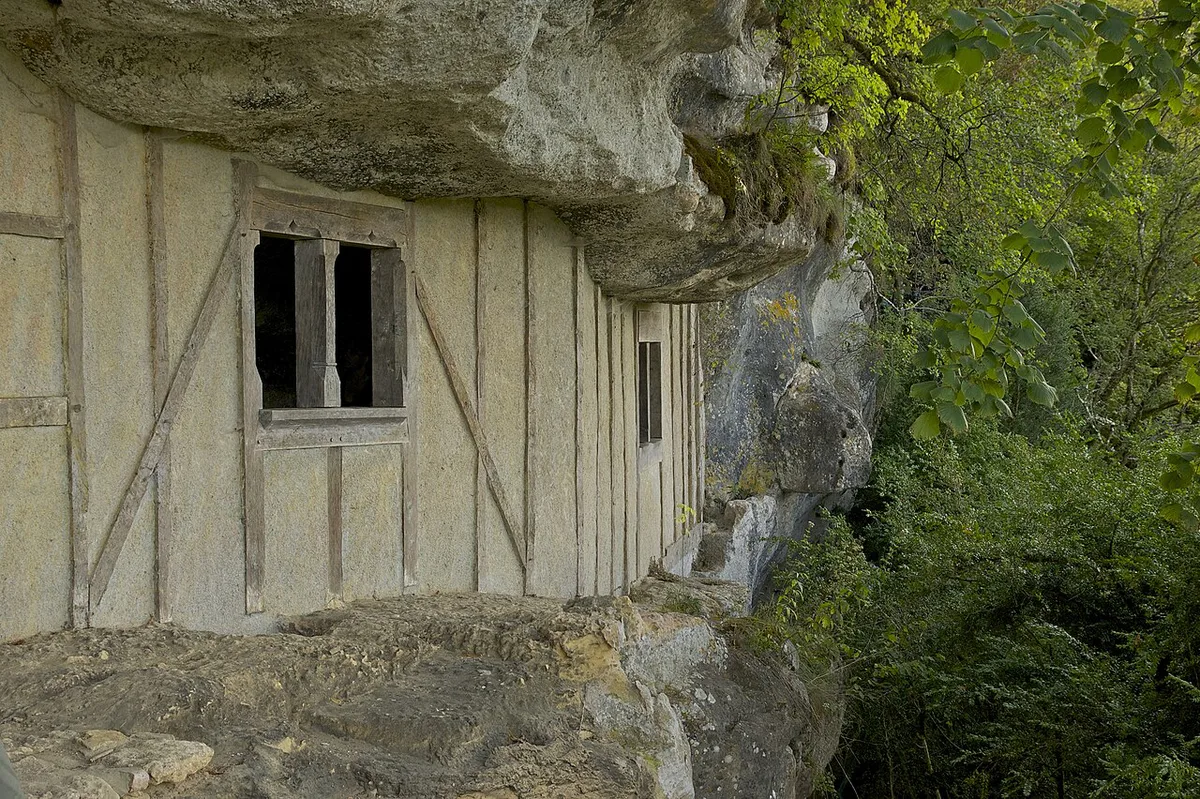
Treat it as a slow, self-paced stop rather than a timed slot. Pair it with a nearby site that needs advance booking. Reserve those tickets first, then build the rest of the day around them. For Lascaux, see our Lascaux ticket planning page.
Covering about 0.6 miles along the cliff, the site rewards a slow, self-paced walk rather than a quick look.
- Morning: La Roque Saint-Christophe while the terraces are quiet.
- Midday: lunch in Les Eyzies Guide: Caves, Tickets & Visit Tips.
- Afternoon: the National Museum of Prehistory in Les Eyzies.
- Alternative afternoon: Rouffignac Cave (Dordogne): Visit Guide, Tickets & What to See or the carved frieze at Cap Blanc Shelter (Abri du Cap-Blanc): Visit Guide, Tickets and Tips.
Tickets, opening hours and seasonal timing
Admission prices and seasonal hours change, so this page lists none. Check both on the official site before you travel.
Getting there and parking
A car is by far the easiest way to reach Peyzac-le-Moustier, with Les Eyzies and Sarlat as the usual bases. Bus service in this valley is sparse and seasonal, so confirm any route and stop before relying on it. Taxis from Sarlat are possible, but costs vary, so book ahead. Ask the site about parking when you check hours.
How it compares with other Vézère sites
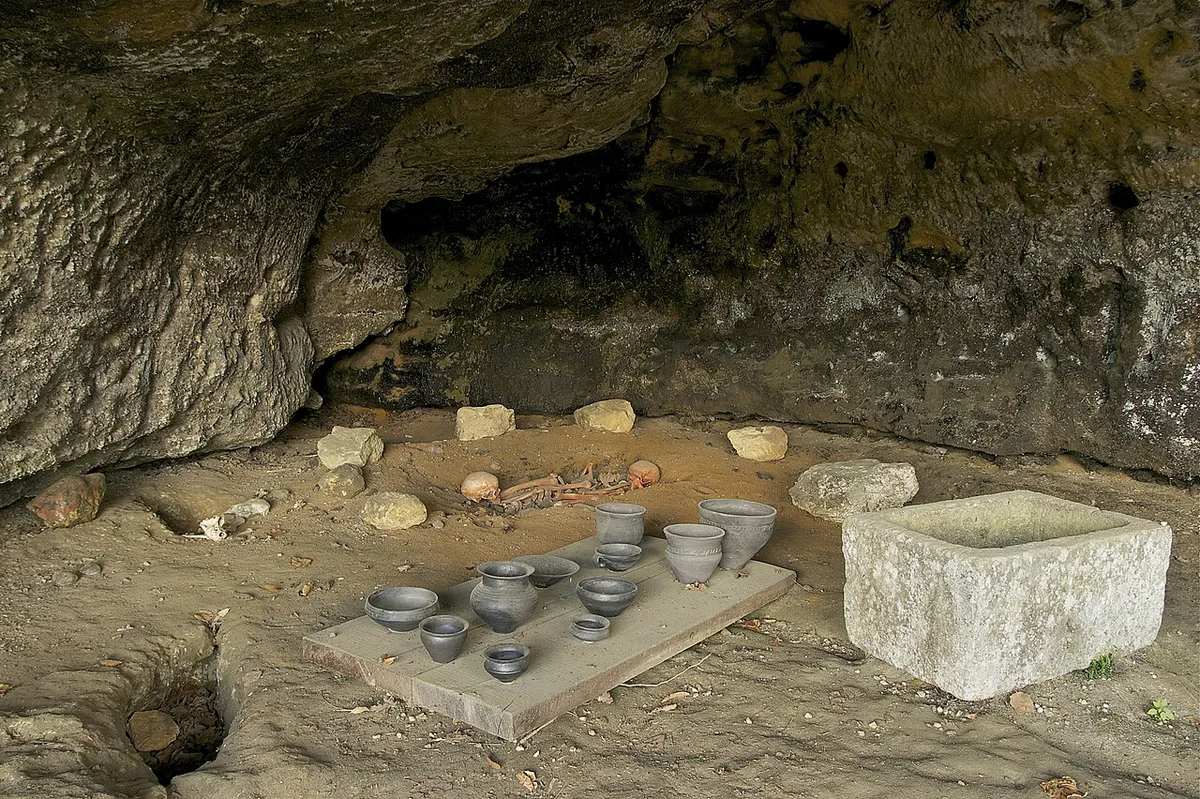
Each stop answers a different question. Use this table to choose between them.
| Site | What it is | Original art? | Best for |
|---|---|---|---|
| La Roque Saint-Christophe | Cliff-face rock-shelter settlement | No | Walking, medieval and habitation history |
| Font-de-Gaume | Painted cave | Yes | Original polychrome cave art |
| Rouffignac | Large cave with drawings | Yes | Cave art with a train ride inside |
| Cap Blanc Shelter (Abri du Cap-Blanc): Visit Guide, Tickets and Tips | Rock shelter with a carved frieze | Yes, sculpted | Seeing Ice Age relief carving |
| Lascaux IV | Full-scale replica of Lascaux | Replica | Seeing the famous paintings recreated |
Where to stay and eat nearby
Les Eyzies puts you closest to the valley's prehistoric sites. Sarlat offers more variety for dinner and lodging, but adds driving time each day. Choose based on whether you want short transfers or a livelier evening.
Common mistakes to avoid
A few small errors cause most disappointment here.
- Expecting cave paintings: this is a rock-shelter settlement.
- Arriving without checking seasonal hours.
- Starting late and rushing the terraces.
- Wearing smooth-soled shoes on stone steps.
- Relying on buses instead of a car or pre-booked taxi.
The medieval cliff city behind the terraces
La Roque Saint-Christophe makes more sense when you read the terraces as a fortified settlement, not simply a prehistoric shelter. The site’s long occupation story is visible in its built-up ledges, passages and defensive position above the Vézère.
Historical accounts link a strengthening of the site to 976, when Bishop Frotaire of Périgueux ordered fortification work. The cliff settlement later mattered during the Hundred Years’ War because its terraces were difficult to approach from the valley.
Its defensive role did not last indefinitely. The settlement was dismantled in 1588 during the Wars of Religion, after Protestant forces had used it. That timeline helps explain why visitors see a dramatic inhabited landscape rather than an intact medieval village.
Allow time to pause at the broad terraces and imagine how homes, stores and defensive structures once shared this narrow cliff edge.
Pair this with our broader tourism attractions guide for the full city overview.
Related guides

Continue reading
Guides on the same trip